How to Prune Smallflower fumewort?
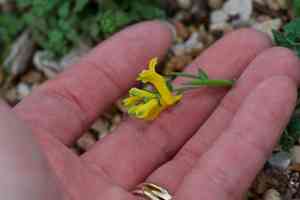
Corydalis solida, recognized for its dainty blossoms, thrives with yearly trimming to preserve its form and stimulate robust development. The ideal periods for pruning are in early spring or late winter, right before fresh growth emerges. Eliminate any lifeless, injured, or ailing stalks, and shorten excessively long branches to improve air movement. Appropriate pruning diminishes the likelihood of disease and fosters abundant flowering, rendering it a crucial maintenance activity for this species.
Advantages of Trimming Smallflower Fumewort
Advantages of Trimming Smallflower Fumewort
Trimming smallflower fumewort promotes vigorous development by eliminating dead or diseased sections, maintaining its form, and encouraging robust new growth. It also assists in size management and improves overall appearance, boosting resistance to pests and illnesses.
Optimal Time for Pruning Smallflower Fumewort
Optimal Time for Pruning Smallflower Fumewort
Pruning or trimming smallflower fumewort is best done in early spring and late winter. This timing coincides with the plant's dormant period before new growth begins. Early spring and late winter pruning encourages strong new growth and blooming, which are vital for the health and aesthetic appeal of smallflower fumewort. Pruning at these times minimizes plant stress and lowers the chance of disease transmission, as wounds can heal more effectively before the active growing season. Early spring also ensures the plant's energy is directed towards developing strong, healthy shoots instead of sustaining older or damaged parts.
Necessary Tools for Pruning Smallflower Fumewort
Bypass Pruners
Bypass pruners are suitable for delicate stems and precise cuts. They are ideal for shaping and maintaining smallflower fumewort without causing significant damage to the stems.
Snips
Snips are perfect for removing smaller, intricate growths and deadheading spent flowers. Their precision minimizes harm to the plant.
Long-handled Shears
Long-handled shears can be used for harder-to-reach areas and help achieve clean cuts on larger sections of foliage if necessary.
How to Prune Smallflower Fumewort
Inspection
Carefully examine smallflower fumewort for any indications of diseased or withered foliage. Identify areas needing attention to determine the extent of pruning required.
Tools
Prepare and sanitize sharp pruning shears or scissors to prevent the spread of disease. Clean tools after each cut to maintain plant health.
Diseased leaves
Remove any diseased leaves by cutting at the base of the affected leaf stem. Dispose of these parts away from the plant to prevent reinfection.
Withered leaves
Trim withered leaves by snipping them close to the main stem, ensuring you do not damage healthy parts of smallflower fumewort.
Cleanup
Once pruning is complete, clear away all trimmed parts and debris from around smallflower fumewort to keep the area clean and discourage pests and diseases.
Common Pruning Errors with Smallflower Fumewort
Excessive cutting at once
Removing too much foliage can stress smallflower fumewort and hinder its growth and blooming potential.
Using dull tools
Pruning with dull shears or scissors can cause ragged cuts, leading to a higher risk of disease for smallflower fumewort.
Incorrect pruning technique
Making uneven or random cuts can damage smallflower fumewort's structure and encourage poor growth habits.
Neglecting sanitation
Not cleaning tools between cuts can spread diseases and pests to healthy parts of smallflower fumewort.
Ignoring plant health
Pruning smallflower fumewort when it is already stressed or unhealthy can worsen the plant's condition.
General Pruning Advice for Smallflower Fumewort
Use sharp tools
Ensure your pruning shears or scissors are sharp to make clean cuts, helping smallflower fumewort heal faster and reducing the risk of disease.
Sterilize tools
Clean and sterilize your pruning tools before and after use to prevent the spread of pathogens to smallflower fumewort.
Prune selectively
Focus on removing dead, damaged, or diseased stems and leaves. This will encourage healthy growth and flowering in smallflower fumewort.
Consider plant structure
Prune to maintain an open and balanced structure, which promotes better air circulation and reduces the risk of fungal infections in smallflower fumewort.
Make clean cuts
Prune at a slight angle, just above a node or bud, to promote new growth in the right direction for smallflower fumewort.
Be mindful of pruning frequency
Regular but moderate pruning helps keep smallflower fumewort healthy without causing undue stress. Aim to maintain rather than drastically alter the plantâs shape.


