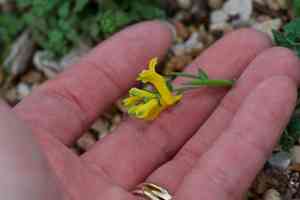
Smallflower fumewort (Corydalis micrantha)
Also known as: Golden corydalis
C. micrantha ssp. micrantha features a rosette of basal leaves that measures roughly 20 cm in diameter. It also produces multiple flowering stalks, each approximately 20 cm tall. The erect pedicels range from 2 to 5 mm in length and 1 to 3 mm in width.
In This Article
Attributes of Smallflower fumewort
Lifespan
Perennial
Plant Type
Herb
Plant Height
10 cm to 30 cm
Spread
15-30 cm
Leaf Color
Green
Flower Size
1-1.5 cm
Flower Color
White, Lavender
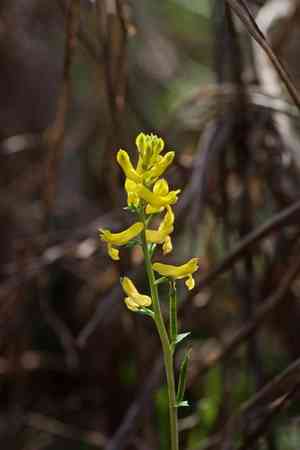
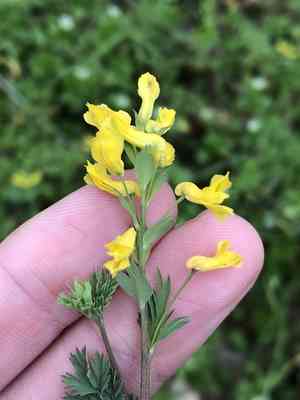
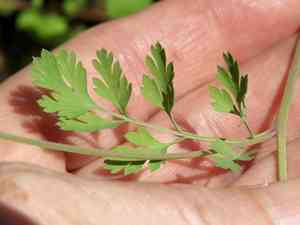
Images of Smallflower fumewort
Quickly Identify Smallflower fumewort
1
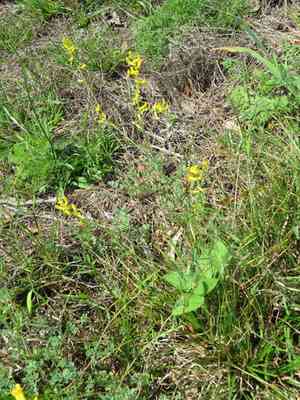
Corydalis micrantha can be identified by its finely divided, fern-like foliage and small, tubular flowers that typically appear in clusters. The flowers are often white or pale lavender and have a spur at the back.
Scientific Classification of Smallflower fumewort
Phylum
Vascular plants
Class
Dicotyledons
Order
Ranunculales
Family
Poppy
Genus
Fumeworts
Species
Smallflower fumewort
Planting and Growing of Smallflower fumewort
Care Difficulty
Moderate
Watering Schedule
Every 2 days
Sunlight Requirements
Partial sun
Sunshine Duration
6-10 hours
Ideal Temperature
60-75℉
Soil Type
Potting Mix, Peat Mix
Soil pH
6.5-7.5
Fertilizer Type
Balanced
Pruning Season
Spring, Summer
Pruning Area
Branches, Leaves
Pruning Frequency
2 times a year
Repotting Season
Spring
Pot Type
Plastic, Ceramic
 How to Water Smallflower fumewort?
For Corydalis micrantha, the watering should be sufficient to moisten the entire root zone. The plant flourishes when the water reaches a depth of around 300 milliliters per session. This depth ensures that the roots, which are relatively shallow, receive adequate moisture without becoming waterlogged.
What are the symptoms of an underwatered Smallflower fumewort?
›
What should I do if my Smallflower fumewort is not getting enough water?
›
What are the symptoms of an overwatered Smallflower fumewort?
›
How to save an overwatered Smallflower fumewort?
›
 What Are the Sunlight Requirements for Smallflower fumewort?
Corydalis micrantha prefers partial to full sun, benefiting from daily exposure of 4 to 6 hours. Ideal lighting ensures robust growth, vibrant foliage, and healthy blooming patterns, promoting overall plant vitality and resilience.
How much sun does Corydalis micrantha need?
›
What are the signs of inadequate sunlight?
›
How can I adjust lighting indoors?
›
 What Is the Ideal Temperature Range for Smallflower fumewort?
Maintaining the ideal temperature range for Corydalis micrantha is crucial for its optimal growth and development. Within the range of 60-75°F, the plant can efficiently photosynthesize, uptake nutrients, and grow with minimal stress. Deviating from this temperature range can lead to reduced growth and increased susceptibility to diseases.
 What Soil is Best for Smallflower fumewort?
Corydalis micrantha requires a soil that ensures quick drainage to prevent waterlogging. This prevents root rot and ensures the plant roots get the right balance of air and moisture. A moderately fertile soil supports the optimal growth of Corydalis micrantha. Too much fertility can result in lush foliage but poor flowering, while too little can stunt the plant. The soil should retain adequate moisture without becoming soggy. This helps maintain a consistent supply of water to the plant, particularly important during its blooming phase.
 How to Fertilize Smallflower fumewort?
For Corydalis micrantha, use a balanced liquid fertilizer diluted to half its strength. Apply about 250 ml per application during the growing season. Solid pellets should be used sparingly, at a rate of one teaspoon for every square foot of soil.
 How to Prune Smallflower fumewort?
Begin by identifying weak, diseased, or dead stems. These should be the first to be removed, as they can inhibit the plant's overall health and growth if left unattended. Use your shears to cut these at the base. After removing the unhealthy stems, consider the overall shape you want for your Corydalis micrantha. Prune selectively to encourage a balanced growth pattern, generally cutting no more than one-third of the plant's overall size to maintain its vigor. Pruning back stems lightly can promote the outgrowth of new branches that will bear more flowers. This method increases blooming, making your plant more vibrant and attractive throughout the growth season.
More About Pruning Techniques→
 How to Propagate Smallflower fumewort plant?
1
Fill the seed tray with a sterile seed-starting mix to provide a clean and nutritious environment for germination. Water the mix gently to ensure it is moist but not waterlogged, as excess moisture can lead to fungal growth.
2
Sow the seeds evenly over the surface of the moistened mix. Cover them lightly with a thin layer of the same mix and mist with water if necessary. Ensure the tray is placed in a warm location with indirect sunlight.
3
Use pruning shears to take cuttings from a healthy parent plant. Each cutting should be around 4-6 inches long with at least a few leaves or nodes. Remove lower leaves to prevent them from touching the soil when planted.
 How to Repot Smallflower fumewort plant?
1
Corydalis micrantha shows clear signals when it's time for repotting. Look for roots growing out of the drainage holes, slowed growth, or compacted soil. These signs indicate that the plant has outgrown its current pot and needs more space to thrive.
2
Select a pot that is one size larger than the current one and with sufficient drainage holes. Clay pots are excellent for providing good aeration, helping to prevent root rot by allowing excess moisture to evaporate away. Make sure the pot is not too big to avoid overwhelming the plant with space and soil.
3
Opt for a well-draining sandy loam soil for Corydalis micrantha. This soil structure helps prevent waterlogging while providing adequate nutrients and support for root growth. The addition of sand ensures proper drainage, reducing the likelihood of rot due to damp conditions.
Toxicity
Ingestion
WARNING
The judgment on toxicity and danger is for reference only. We DO NOT GUARANTEE any accuracy of such judgment. Therefore, you SHALL NOT rely on such judgment. It is IMPORTANT TO SEEK PROFESSIONAL ADVICE in advance when necessary.


