How to Prune Georgia tickseed?
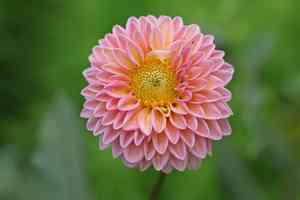
Coreopsis georgiana, a perennial recognized for its appealing blossoms and affinity for moist conditions, thrives with trimming to foster denser development and increased floral production. The most effective periods for pruning are in late spring or early summer, following the initial flowering cycle. Removing faded blooms consistently boosts flowering throughout the growing period. Yearly removal of deceased or excessively long stems ensures the plant's well-being and visual appeal. This upkeep not only stimulates vigorous growth but also deters prevalent ailments by enhancing air movement among the leaves.
What Are the Benefits of Pruning Georgia Tickseed?
What Are the Benefits of Pruning Georgia Tickseed?
Trimming georgia tickseed promotes vigorous development and helps maintain its desired form. Regular cutting encourages more robust and dense foliage, enhancing its visual appeal and overall health.
What Is the Best Time for Pruning Georgia Tickseed?
What Is the Best Time for Pruning Georgia Tickseed?
Pruning georgia tickseed during Spring and Summer is advised primarily because these seasons align with the plantâs active growth phases, facilitating quick recovery and strong regrowth. Spring pruning, ideally as new growth emerges, helps shape the plant and manage its size, ensuring energy is directed towards producing strong new shoots rather than sustaining old or dead foliage. Summer pruning, conversely, is useful for deadheadingâthe removal of faded flowers. This encourages georgia tickseed to produce a second bloom and prevents the plant from diverting its energy into seed production, which can diminish overall plant vigor. Additionally, performing light trims in these warmer months helps maintain an aesthetically pleasing form and supports the plant's health by increasing light penetration and air circulation within the foliage.
What Tools Do I Need to Prune Georgia Tickseed?
Hand Pruners
Perfect for precise cuts on georgia tickseed, allowing for selective removal of spent blooms and light shaping without harming surrounding stems.
Garden Scissors
Useful for snipping delicate stems of georgia tickseed, especially helpful during deadheading to encourage continuous blooming throughout the growing season.
Gloves
Essential for protecting hands from cuts and scrapes while handling georgia tickseed, also ensuring a secure grip on tools.
How to Prune Georgia Tickseed
Identify
Carefully examine georgia tickseed to locate diseased or withered leaves and any affected stems. Look for any discoloration, spots, or signs of fungal infection on the leaves and stems.
Sanitize
Before beginning the pruning process, disinfect your pruning tools to prevent the spread of disease. Use a solution of bleach and water or rubbing alcohol to clean your shears or scissors.
Prune leaves
Using the sanitized tools, carefully trim the diseased and withered leaves from georgia tickseed. Make clean cuts at the base of each affected leaf to ensure minimal damage to the healthy parts.
Prune stems
For any diseased stems, use your tools to make a clean cut into healthy tissue just below the affected area. This helps prevent further spread of disease and encourages healthier growth.
Cleanup
Dispose of all removed material properly to avoid any reinfection or attracting pests. Do not compost diseased plant material as it can contaminate the compost.
Common Pruning Mistakes with Georgia Tickseed
Overpruning
Removing too much foliage from georgia tickseed can stress the plant, hindering its ability to photosynthesize effectively and potentially leading to weaker growth.
Improper cut locations
Cutting too far from a node or into old wood on georgia tickseed can prevent proper healing and regrowth, potentially exposing the plant to diseases.
Inadequate tool maintenance
Using dull or unclean pruning tools can cause damage to georgia tickseed's stems, leading to jagged cuts that heal poorly and may invite pests and diseases.
Common Pruning Tips for Georgia Tickseed
Appropriate cut technique
Make clean, angled cuts just above a leaf node or bud to encourage georgia tickseed's healthy regrowth and maintain plant shape.
Selective pruning
Focus on removing only the spent flowers and damaged or diseased stems of georgia tickseed to promote better air circulation and light penetration, crucial for its flowering and health.
Post-pruning care
After pruning georgia tickseed, apply a balanced, slow-release fertilizer to support the plantâs recovery and to fuel new growth and flowering.



