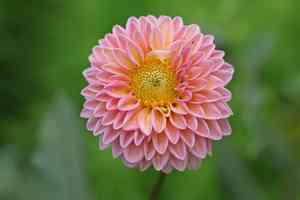
Georgia tickseed (Coreopsis nudata)
Also known as: Swamp tickseed
Coreopsis nudata, known as the Georgia tickseed, is a herbaceous perennial that belongs to the sunflower family. Its native range includes the southeastern United States, specifically in states like Georgia, Florida, Alabama, Mississippi, and Louisiana.
In This Article
Attributes of Georgia tickseed
Lifespan
Perennial
Plant Type
Herb
Plant Height
91 cm to 1.8 m
Spread
Typically narrow due to its spindly growth form, about 15 to 30 cm (6 to 12 inches)
Leaf Color
Bright green
Flower Size
2.5 to 5 cm (1 to 2 inches)
Flower Color
Yellow
Images of Georgia tickseed
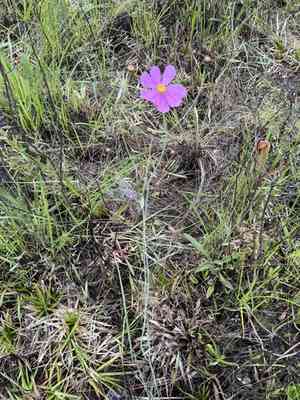
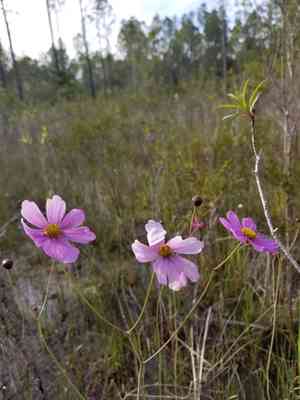
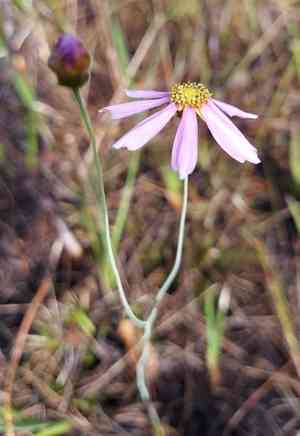
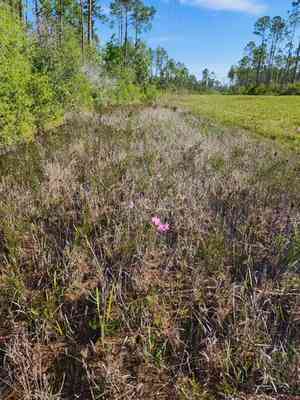
Quickly Identify Georgia tickseed
1
Look for long, slender stems that are typically leafless or have very sparsely placed leaves. The flowers are yellow and daisy-like, with numerous petals and a central disc, making them easily identifiable among wetland plants.
Scientific Classification of Georgia tickseed
Phylum
Vascular plants
Class
Dicotyledons
Order
Asterales
Family
Daisy
Genus
Calliopsis
Species
Georgia tickseed
Planting and Growing of Georgia tickseed
Care Difficulty
Easy
Watering Schedule
Every 3 days
Sunlight Requirements
Partial sun
Sunshine Duration
4-10 hours
Ideal Temperature
70-80℉
Soil Type
Potting Mix, Peat Mix
Soil pH
6.5-7.5
Fertilizer Type
Balanced
Pruning Season
Spring, Summer
Pruning Area
Branches, Leaves
Pruning Frequency
2 times a year
Repotting Season
Spring
Pot Type
Plastic, Ceramic
 How to Water Georgia tickseed?
The core principle when watering Coreopsis nudata is to ensure the soil remains consistently moist but not waterlogged. This plant prefers about 200 milliliters of water each session, enough to penetrate the top couple of inches of soil. Always check soil moisture before adding more water to avoid soggy conditions.
What are the symptoms of an underwatered Georgia tickseed?
›
What should I do if my Georgia tickseed is not getting enough water?
›
What are the symptoms of an overwatered Georgia tickseed?
›
How to save an overwatered Georgia tickseed?
›
 What Are the Sunlight Requirements for Georgia tickseed?
Provide Coreopsis nudata with partial to full sun, ideally benefiting from six to eight hours of sunlight each day. This ensures ample energy for healthy growth cycles, promoting prolific blooms and resilient foliage throughout the growth period.
Does it prefer morning or afternoon sun?
›
How do seasonal changes affect its sunlight needs?
›
What is a solution to insufficient light during cloudy days?
›
 What Is the Ideal Temperature Range for Georgia tickseed?
Coreopsis nudata thrives best in temperatures ranging from 70°F to 80°F. This range ensures optimal growth and flowering, providing the warmth required for metabolic processes without causing heat stress. Maintaining this temperature supports healthy foliage and vibrant blooms.
 What Soil is Best for Georgia tickseed?
Coreopsis nudata thrives best in soils that provide excellent drainage. Ensuring proper drainage prevents root rot and other water-related diseases, promoting healthy plant development and vibrant flowers. This plant favors soils enriched with organic matter. It provides the essential nutrients necessary for vigorous growth, resulting in a profusion of blooms and a robust foliage display. While good drainage is crucial, the soil should also retain some moisture to support continuous growth. A balance of moisture promotes sustained blooms and prevents stress conditions for Coreopsis nudata.
 How to Fertilize Georgia tickseed?
Coreopsis nudata prefers a balanced approach to fertilization. Use approximately 1/4 strength of an all-purpose liquid fertilizer twice a month during the growing season to promote healthy blooms without overloading the soil with nutrients.
 How to Prune Georgia tickseed?
Begin by removing spent blooms to encourage more flowering. Snip the flower stem back to the nearest set of leaves. This deadheading process redirects energy to developing new blooms. Prune stems that have become too tall or interfere with the desired shape. Cut back any stems that appear weak or spindly, promoting a bushier and more compact plant. In early spring, before new growth appears, give the plant a light trim to remove any remaining dead or damaged stems. This prepares the Coreopsis nudata for a healthy burst of growth.
More About Pruning Techniques→
 How to Propagate Georgia tickseed plant?
1
When propagating by seed, collect mature seeds from the plant after the flowering period. Allow seed heads to dry completely before collecting seeds to ensure viability.
2
Sow seeds in a seed tray filled with well-draining potting mix. Lightly press seeds into the soil surface and cover with a thin layer of soil. Water gently to keep the soil consistently moist.
3
During spring, dig up the mature plant and carefully divide the root clumps into smaller sections with a spade or sharp knife. Replant divisions immediately at the same depth they were growing.
 How to Repot Georgia tickseed plant?
1
Observe the Coreopsis nudata for signals like roots appearing through the drainage holes or a decrease in flowering. The best timing for repotting is during the less stressful growth periods such as early spring or autumn when temperatures are moderate and the plant is not in peak bloom.
2
Select a pot that is just one size larger than the current one, ensuring it has ample drainage holes. This prevents overwatering and ensures the roots have space to spread without being too overwhelmed, promoting healthy root systems and robust plant growth.
3
Opt for a well-draining, loamy soil mix rich in organic matter to provide adequate nutrients and moisture retention without waterlogging. A balanced soil will foster healthy growth by supporting the plant's nutrient and water needs while preventing root rot.
Learn More About Georgia tickseed Diseases
Anthracnose
Bacterial Leaf Spot
Bacterial Soft Rot
Bacterial Wilt
Crown Gall
Cyst Nematode
Damping-off
Downy Mildew
Drought Stress
Fusarium Wilt
Gray Mold
Leaf Spot
Mosaic
Nutrient Deficiency
Nutrient Toxicity
Powdery Mildew
Root Rot
Root-knot Nematode
Rusts
Sooty Mold
Spider Mites
Temperature Stress
Thrips Damage
White Mold



