How to Prune Woodland mirrorplant?
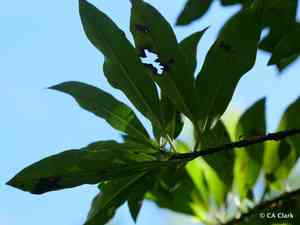
Woodland mirrorplant is recognized for its lustrous foliage and unique fruit. Trim in early spring to foster compact development and preserve its form. Eliminate deceased or injured limbs, and reduce congested sections to boost air movement. Exercise care to avoid excessive pruning, as this can cause stress to the plant. Pruning improves the visual attractiveness and well-being of woodland mirrorplant, encouraging vigorous growth and heightened disease immunity. Always employ sharp, sanitized implements to avert pathogens.
What Are the Benefits of Pruning Woodland Mirrorplant?
What Are the Benefits of Pruning Woodland Mirrorplant?
Trimming woodland mirrorplant promotes robust development and helps maintain its form. It fosters a healthy framework, enhances its overall look, and prevents excessive growth, improving air circulation, which lessens the risk of pests and diseases. Regular trimming ensures a strong, attractive landscape plant.
What Is the Best Time for Pruning Woodland Mirrorplant?
What Is the Best Time for Pruning Woodland Mirrorplant?
Trimming woodland mirrorplant in early spring is optimal as it aligns with the plant's natural growth cycle, when new shoots begin to appear but before the main flowering or fruiting season. This timing allows the plant to recover faster and focus on producing healthy new growth. Additionally, early spring pruning can enhance air circulation and sunlight penetration through the plant, reducing disease risk and promoting overall plant health. By pruning at this time, gardeners also ensure they are not removing potential blooms or fruits, thereby preserving the aesthetic and functional value of woodland mirrorplant.
What Tools Do I Need to Prune Woodland Mirrorplant?
Hand Pruners
Perfect for precise cuts on smaller branches and stems up to 1/2 inch thick. They are crucial for shaping and maintaining the health of woodland mirrorplant.
Loppers
Suitable for cutting thicker branches, typically up to 1 to 1.5 inches in diameter. These offer leverage and make pruning easier on the gardener's hands.
Pruning Saw
Essential for removing larger branches that are too thick for loppers. A pruning saw ensures clean cuts, which is important to prevent disease.
Bypass Pruners
These pruners feature a scissor-like action that is ideal for live wood, creating clean cuts with minimal harm to the plant tissue.
Hedge Shears
Useful for shaping and trimming multiple stems simultaneously, perfect for creating a uniform, neat appearance of woodland mirrorplant.
How to Prune Woodland Mirrorplant
Inspection
Carefully examine woodland mirrorplant to identify any diseased leaves, withered leaves, dead branches, and diseased branches. It's crucial to accurately identify these parts to avoid unnecessary harm to healthy sections.
Tools Preparation
Gather and sterilize your pruning tools, such as pruning shears and loppers. Sterilizing is important to prevent the spread of disease within woodland mirrorplant.
Remove Diseased Leaves
Start by removing any diseased leaves. Cut these leaves off at their point of attachment, ensuring a clean cut to minimize damage to the plant.
Remove Withered Leaves
Next, trim away withered leaves. These should also be removed at their base to maintain a neat and healthy appearance for woodland mirrorplant.
Remove Dead Branches
Identify and prune dead branches. Cut these back to a point where you see healthy wood, cleanly severing the dead material to encourage better growth.
Remove Diseased Branches
Lastly, remove diseased branches by cutting them back to healthy tissue or where they join the main stem, minimizing the risk of spreading the disease further within woodland mirrorplant.
Common Pruning Mistakes with Woodland Mirrorplant
Improper technique
Using dull or dirty tools can cause ragged cuts, leading to increased chances of disease. Over-pruning or cutting too close to the main stem can hinder the plantâs recovery.
Incorrect timing
Pruning at the wrong time can remove buds necessary for flowering and new growth, stressing the plant.
Over-pruning
Removing too much foliage can shock the plant, reducing its ability to photosynthesize efficiently and stunting growth. It's a common mistake to prune more than a third of the plant at once.
Not sanitizing tools
Failing to clean pruning tools between cuts can spread diseases from one part of the plant to another, or even between different plants.
Ignoring plant structure
Cutting without regard to the natural shape of woodland mirrorplant can lead to an uneven, unsightly appearance and weak branch structure.
Common Pruning Tips for Woodland Mirrorplant
Use proper tools
Always use sharp, clean pruning shears to make clean cuts, minimizing damage and disease risk.
Plan the cuts
Begin by removing any dead, diseased, or damaged branches to promote overall plant health. Then, thin out dense areas to improve air circulation and light penetration.
Prune gradually
Limit pruning to no more than one-third of the plant at a time. This allows woodland mirrorplant to recover and minimizes shock.
Maintain natural shape
Follow the natural shape of woodland mirrorplant to maintain its aesthetic appeal and structure. Make cuts just above a bud or branching point to encourage proper regrowth.
Sanitize tools
Clean your tools with rubbing alcohol or a mild bleach solution between cuts. This practice helps prevent the spread of diseases.



