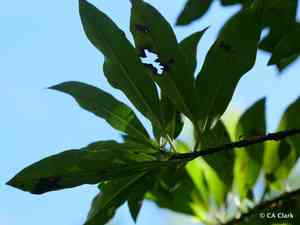
Woodland mirrorplant (Coprosma rhynchocarpa)
Also known as: Mountain Coprosma, Wood Strawberry
The woodland mirrorplant (Coprosma repens) is well-adapted to conserve water in its natural habitat. This hardy shrub features thick, shiny leaves that reduce water loss through transpiration. Its waxy leaf coating further minimizes evaporation. Additionally, the plant has a deep root system to tap into underground moisture. The mirrorplant also regulates its stomata to limit water loss during dry spells. These adaptations collectively enable the woodland mirrorplant to thrive in dry conditions.
In This Article
Attributes of Woodland mirrorplant
Lifespan
Perennial
Plant Type
Shrub
Plant Height
2-5 meters
Spread
1-3 meters
Leaf Color
Green
Flower Size
Small, less than 1 cm
Flower Color
White
Images of Woodland mirrorplant
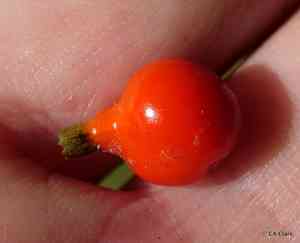
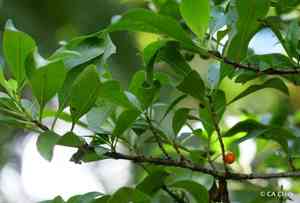
Quickly Identify Woodland mirrorplant
1
Look for the small greenish-blue leaves, small white flowers, and the distinctive red berries. The leaves are usually glossy, and the plant tends to grow as a dense shrub.
Scientific Classification of Woodland mirrorplant
Phylum
Vascular plants
Class
Dicotyledons
Order
Gentianales
Family
Madder
Genus
Mirrorplant
Species
Woodland mirrorplant
Planting and Growing of Woodland mirrorplant
Care Difficulty
Moderate
Watering Schedule
Every 2 days
Sunlight Requirements
Partial sun
Sunshine Duration
6-10 hours
Ideal Temperature
65-75℉
Soil Type
Potting Mix, Peat Mix
Soil pH
6.5-7.5
Fertilizer Type
Balanced
Pruning Season
Spring, Summer
Pruning Area
Branches, Leaves
Pruning Frequency
2 times a year
Repotting Season
Spring
Pot Type
Plastic, Ceramic
 How to Water Woodland mirrorplant?
The watering amount for Coprosma rhynchocarpa should ensure the soil is thoroughly moist but not waterlogged. This generally requires about 500ml per watering session, taking into account the plant's well-draining soil and ensuring excess water can escape.
What are the symptoms of an underwatered Woodland mirrorplant?
›
What should I do if my Woodland mirrorplant is not getting enough water?
›
What are the symptoms of an overwatered Woodland mirrorplant?
›
How to save an overwatered Woodland mirrorplant?
›
 What Are the Sunlight Requirements for Woodland mirrorplant?
Coprosma rhynchocarpa prefers partial sun conditions, where it can harness the benefits of morning light without enduring the intense midday sun. Ideal lighting contributes to its vivid foliage, adaptive growth, and sustained health.
What is the best sunlight exposure for Coprosma rhynchocarpa?
›
How can you ensure Coprosma rhynchocarpa gets optimal sunlight?
›
What benefits does Coprosma rhynchocarpa gain from ideal lighting?
›
 What Is the Ideal Temperature Range for Woodland mirrorplant?
Coprosma rhynchocarpa thrives best within an ideal temperature range of 65°F to 75°F. This range supports optimal cellular functions and overall plant health. Growing at this range ensures that the plant can effectively photosynthesize, metabolize, and grow continuously. Such temperatures typically mimic the plant's natural habitat, thus promoting its wellbeing and resistance to diseases.
 What Soil is Best for Woodland mirrorplant?
Coprosma rhynchocarpa thrives in well-draining soil to prevent root rot. Good drainage ensures that the roots receive sufficient oxygen and reduces the risk of fungal diseases. The plant flourishes in nutrient-rich loam, which provides essential nutrients to support robust growth and vibrant foliage, leading to a healthier plant overall. While Coprosma rhynchocarpa prefers well-drained soil, it also benefits from soils that retain some moisture to keep roots hydrated during dry spells, enhancing drought resilience.
 How to Fertilize Woodland mirrorplant?
For Coprosma rhynchocarpa, ensure that you provide a balanced dose of fertilizer. Generally, a quarter teaspoon of liquid fertilizer mixed with a gallon of water is sufficient for a single application. For solid fertilizer, use about half a cup spread evenly across the soil surface around the plant.
 How to Prune Woodland mirrorplant?
Start by identifying and removing any branches that are dead, damaged, or diseased. This will prevent disease spread and allows the plant to focus energy on healthy growth. Thin out crowded areas to improve air circulation and sunlight penetration. Focus on branches that cross over each other, creating an open structure that encourages robust growth. Finally, prune to maintain a pleasing shape, keeping in mind the desired height and width. Cut back branches to a node where you’d like new growth to emerge, and step back frequently to check your work from different angles.
More About Pruning Techniques→
 How to Propagate Woodland mirrorplant plant?
1
Soak the seeds in water for 24 hours to soften the seed coats. This process helps promote quicker germination and increases the success rate of seed propagation.
2
Select healthy stems and cut lengths of about 4-6 inches. Remove the lower leaves and dip the cut end into rooting hormone to stimulate root growth.
3
Carefully dig up the plant and separate the roots into sections, ensuring each segment has a healthy root system. Replant these sections quickly to avoid drying out.
 How to Repot Woodland mirrorplant plant?
1
Repotting Coprosma rhynchocarpa should be considered when you observe roots emerging from the drainage holes or when the plant appears to be stunted. Alternatively, if the soil seems compacted or waterlogged, it's time for a new pot. Spring or early summer offer ideal conditions for repotting, as the plant is in its active growth phase and can recover more rapidly.
2
Select a pot that is one to two sizes larger than the current one. A pot with good drainage holes is essential, as it prevents water from pooling at the bottom, which can cause root rot. Opt for a pot made of materials like terracotta or ceramic, which allow the soil to breathe, helping to maintain a balanced moisture level and ensuring the healthy growth of your Coprosma rhynchocarpa.
3
The ideal soil for repotting Coprosma rhynchocarpa is a rich, well-draining mix. Incorporate materials such as peat moss, perlite, and a bit of coarse sand to enhance drainage. This mix ensures that the roots are not sitting in water, providing proper aeration and nutrients, which encourages vigorous root development and overall plant health.
Learn More About Woodland mirrorplant Diseases
Anthracnose
Bacterial Leaf Spot
Chemical Injury
Crown Gall
Damping-off
Downy Mildew
Drought Stress
Fusarium Wilt
Gray Mold
Leaf Curl
Leaf Spot
Mosaic
Nutrient Deficiency
Nutrient Toxicity
Powdery Mildew
Root Rot
Root-knot Nematode
Rusts
Sooty Mold
Spider Mites
Temperature Stress
Thrips Damage
White Mold



