How to Prune Maui mirrorplant?
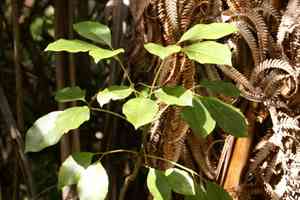
Recognized for its lustrous foliage and vivid hues, maui mirrorplant thrives with early spring pruning. Methods encompass gentle trimming to sculpt and eliminate deceased or compromised branches, fostering more robust development. Trim to uphold the preferred dimensions and stimulate a denser structure. Consistent pruning improves air movement, diminishing the likelihood of ailments. Refrain from extensive cuts since maui mirrorplant exhibits a more gradual growth pace; prioritize delicate, targeted trimming for peak plant well-being.
What Are the Benefits of Pruning Maui Mirrorplant?
What Are the Benefits of Pruning Maui Mirrorplant?
Pruning Maui mirrorplant encourages robust development and helps maintain its form. It improves air circulation, lowers disease risk, and promotes denser foliage. Regular trimming manages plant size and enhances its overall look, leading to a healthier, stronger plant.
What Is the Best Time for Pruning Maui Mirrorplant?
What Is the Best Time for Pruning Maui Mirrorplant?
Early spring pruning is ideal for maui mirrorplant for several reasons. This timing coincides with the end of its dormant phase and the start of active growth. Cuts heal faster as the plant's growth accelerates. Early spring pruning also stimulates vigorous growth, resulting in a healthier plant throughout the season. Additionally, pruning before new growth emerges helps shape the plant and removes winter-damaged or diseased branches, boosting overall health and appearance.
What Tools Do I Need to Prune Maui Mirrorplant?
Bypass Pruners
These are perfect for making clean cuts on live branches and stems, crucial for shaping maui mirrorplant without causing harm.
Lopping Shears
Useful for cutting thicker branches too large for bypass pruners, helping maintain maui mirrorplant's structure and health.
Hand Pruners
Excellent for precise trimming of smaller branches, aiding in managing maui mirrorplant's compact growth habit.
Hedge Shears
Ideal for shaping and preserving the dense, uniform look of maui mirrorplant, important for its aesthetic appeal.
Pruning Saw
Essential for removing old or dead wood too thick for pruners or loppers, sustaining maui mirrorplant's vitality.
How to Prune Maui Mirrorplant
Identify
Thoroughly check maui mirrorplant for any diseased leaves, withered leaves, dead branches, and diseased branches that require removal.
Disinfect
Sanitize pruning tools with a solution of one part bleach to nine parts water to prevent disease transmission.
Remove diseased leaves
Carefully trim off any diseased leaves, cutting back to healthy tissue to stop infection from spreading.
Remove withered leaves
Snip off all withered leaves at their base where they meet the stem. This helps maintain the plant's overall health.
Cut dead and diseased branches
Cut dead and diseased branches back to the main stem or to a healthy outward-facing bud. Make clean cuts for better healing and growth.
Common Pruning Mistakes with Maui Mirrorplant
Over-Pruning
Removing too much foliage at once can severely stress maui mirrorplant, hindering its ability to photosynthesize and grow properly.
Improper Cutting Technique
Using dull or unclean tools can cause ragged cuts, which are more susceptible to disease and pest infestations.
Ignoring Diseased Parts
Failing to remove diseased or dead branches can allow diseases to spread throughout the plant.
Timing Errors
Pruning at the wrong time, although season-specific advice is excluded, can interfere with the plant's growth cycle.
Common Pruning Tips for Maui Mirrorplant
Use Sharp, Clean Tools
Ensure your pruning shears or scissors are sharp and sterilized to make clean cuts that heal quickly.
Remove Dead or Diseased Wood
Focus on cutting away any dead, damaged, or diseased branches first to prevent the spread of infections.
Thin Out Dense Growth
Thinning out overly dense foliage improves air circulation and reduces the risk of fungal diseases.
Cut at a 45-Degree Angle
Make pruning cuts at a 45-degree angle just above a leaf node or bud to promote healthy regrowth.
Gradual Pruning
If a heavy prune is necessary, spread it out over a few sessions to minimize stress on maui mirrorplant.
Observe the Plantâs Shape
Maintain the natural shape of maui mirrorplant to ensure it remains aesthetically pleasing and healthy.



