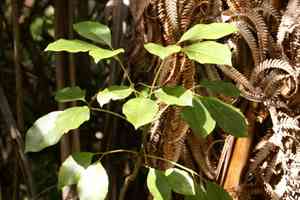
Maui mirrorplant(Coprosma ochracea)

Maui mirrorplant (Coprosma ochracea)

Also known as: None known

The Maui mirrorplant (Coprosma pubens) has developed several key adaptations to thrive in its Hawaiian environment:

1. **Reflective, Glossy Leaves**: These leaves help minimize water loss by reflecting excess sunlight, crucial for survival in dry conditions.
2. **Compact Growth**: The plant's dense form is adapted to endure strong winds, providing stability and reducing damage.
3. **Bird-Attracting Berries**: The vibrant orange to red fruits are designed to entice birds, which help with seed dispersal.
4. **Waxy Coating**: The waxy surface of the leaves aids in water conservation, essential for enduring periods of drought.

These features collectively ensure the plant's resilience and ability to flourish in its native habitat.

Attributes of Maui mirrorplant

Lifespan
Perennial
Plant Type
Shrub
Plant Height
Approximately 0.5 to 2 meters
Spread
Around 1 to 1.5 meters
Leaf Color
Green to dark green
Flower Size
Small, typically less than 1 cm
Flower Color
Usually white or pale

ForwardPlant - Identify plants with a snap

Identify and diagnose plants, get toxicity alerts, and explore safety guides for all types of fungi.

Try for Free

Images of Maui mirrorplant

Maui mirrorplant(Coprosma ochracea)

Quickly Identify Maui mirrorplant

1
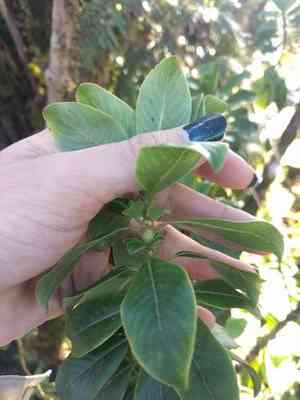
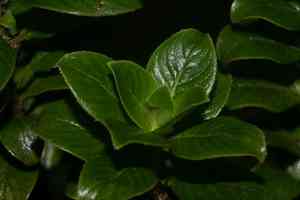
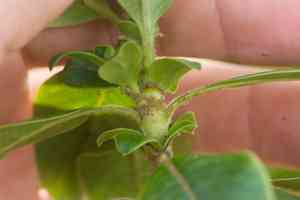
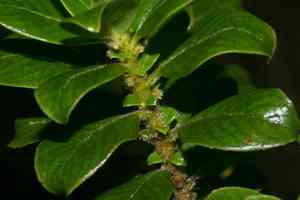
Coprosma ochracea can be identified by its small, glossy leaves, often with a leathery texture, and its typically compact growth form. The flowers are inconspicuous, small, and usually followed by fleshy, berry-like fruits.

Scientific Classification of Maui mirrorplant

Phylum
Vascular plants
Class
Dicotyledons
Order
Gentianales
Family
Madder
Genus
Mirrorplant
Species
Maui mirrorplant

Planting and Growing of Maui mirrorplant

Care Difficulty
Moderate
Watering Schedule
Every 4 days
Sunlight Requirements
Partial sun
Sunshine Duration
6-8 hours
Ideal Temperature
65-75℉
Soil Type
Potting Mix, Peat Mix
Soil pH
6.5-7.5
Fertilizer Type
Balanced
Pruning Season
Spring, Summer
Pruning Area
Branches, Leaves
Pruning Frequency
2 times a year
Repotting Season
Spring
Pot Type
Plastic, Ceramic

water icon How to Water Maui mirrorplant?

For Coprosma ochracea, it's important to water until the soil is thoroughly moist, allowing water to saturate the root zone without pooling. Utilize about 200 ml per watering session. Follow this principle: deep watering promotes strong root growth, leading to a healthier plant.
What are the symptoms of an underwatered Maui mirrorplant?
What should I do if my Maui mirrorplant is not getting enough water?
What are the symptoms of an overwatered Maui mirrorplant?
How to save an overwatered Maui mirrorplant?

sunlight icon What Are the Sunlight Requirements for Maui mirrorplant?

Sunlight Requirements: Partial sun
Duration of light: 4 to 6 hours
Coprosma ochracea does best with partial sun exposure. Ideal lighting facilitates photosynthesis, enhance leaf coloration, and ensure robust health and growth.
What is the ideal lighting?
How can you achieve ideal lighting?
What are the benefits of ideal lighting?

temperature icon What Is the Ideal Temperature Range for Maui mirrorplant?

Ideal Temperature: 65 ~ 75℉
The ideal temperature range for Coprosma ochracea is between 65°F and 75°F. In this range, the plant thrives, exhibiting healthy growth and vibrant foliage. Maintaining consistent temperatures within this range helps avoid stress and promotes optimal photosynthesis and overall plant vigor.

soil icon What Soil is Best for Maui mirrorplant?

Soil type: Sandy loam, Loam
Soil PH: 6.5 ~ 7.5
Coprosma ochracea thrives best in well-drained soil, which helps prevent waterlogging and root rot. Well-drained conditions facilitate healthy root development and nutrient uptake, essential for robust plant growth. The plant prefers soils of moderate fertility. Fertile soils provide adequate nutrients that support lush foliage and vibrant coloring, enhancing the decorative appeal of this ornamental plant. Moisture retention is crucial for Coprosma ochracea, ensuring that the plant remains hydrated between waterings. This characteristic supports sustained growth and resilience during dry spells.

fertilize icon How to Fertilize Maui mirrorplant?

Fertilizer type: Balanced
For Coprosma ochracea, a balanced approach to fertilizing is needed. When using liquid fertilizers, dilute them to half strength to ensure gentleness on the plant roots. Generally, 1 tablespoon of diluted liquid fertilizer per gallon of water is appropriate to avoid nutrient overload.

prune icon How to Prune Maui mirrorplant?

Pruning Time: Spring, Summer
Begin by removing any dead or diseased branches. Cut back to a healthy, outward-facing bud to encourage open, outward growth. This enhances the plant's overall structure and airflow. Trim back overly long branches to maintain the desired shape and size of the Coprosma ochracea. Focus on symmetry and overall balance to ensure a naturally attractive appearance. Incorporate pruning as a regular part of maintenance. This keeps the plant at its healthiest and minimizes the risk of disease. Consistency makes future pruning simpler and more effective. More About Pruning Techniques

propagate icon How to Propagate Maui mirrorplant plant?

Propagate Time: Spring,Early summer
1
Choose seeds from a reputable source or healthy cuttings from a vigorous parent plant. Avoid those with any signs of disease or pest infestation.
2
Use a well-draining potting mix to ensure proper aeration and moisture retention. It's vital to provide a sterile environment to promote healthy root development.
3
Plant the seeds or insert cuttings into the prepared medium. Water thoroughly but avoid over-watering as this can lead to rot. Maintain consistent moisture levels.
More About Propagating Techniques

repot icon How to Repot Maui mirrorplant plant?

Repotting frequency: Every 1-2 years
1
Coprosma ochracea should be repotted when you notice the plant's growth is stunted, roots are visibly growing out of the drainage holes, or the soil is drying out much faster than before. These are clear indicators that the plant has outgrown its current pot and could benefit from more space.
2
Select a pot that is 1-2 inches larger in diameter than the current pot. Ensure the pot has adequate drainage holes to prevent water logging, which can lead to root rot. A slightly larger pot provides the roots with more room to grow, promoting healthier plant development.
3
Opt for a well-drained, loamy soil mix for Coprosma ochracea. This mix retains sufficient moisture while allowing excess water to drain, preventing root rot. Good soil structure promotes aeration and provides essential nutrients for robust growth.

ForwardPlant - Identify plants with a snap

Find the best spots for them to optimize their health, simply using your phone.

Try for Free