How to Prune Poison ash?
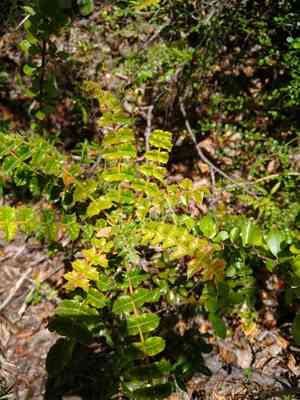
Toxicodendron vernix, recognized by its harmful fluid and composite foliage, requires trimming in the initial part of spring to eliminate any impaired limbs and foster vigorous development. Endeavor to sever branches near the main stem utilizing sanitized, keen implements. For aesthetic purposes, excise intersecting or congested branches to augment air movement. Always don protective handwear because of its irritating exudate. Consistent trimming cultivates a sturdy framework and elevates the plant's general visual attractiveness.
What Are the Benefits of Pruning Poison Ash?
What Are the Benefits of Pruning Poison Ash?
Poison ash benefits from trimming by encouraging robust development and maintaining an appealing form. This practice aids the plant in resisting pests and illnesses while enhancing its overall look and ensuring sound growth.
What Is the Best Time for Pruning Poison Ash?
What Is the Best Time for Pruning Poison Ash?
Trimming or cutting poison ash in early spring is considered ideal as it precedes the period of active development. This timing allows for rapid wound healing and minimizes infection risk. Additionally, pruning at this time boosts the plant's overall health by directing growth energy towards new, healthy branches. It also avoids disrupting the flowering or fruiting cycle, which typically occurs later in the growing season.
What Tools Do I Need to Prune Poison Ash?
Bypass Pruners
Bypass pruners are perfect for making neat, precise cuts on small to medium branches, which helps prevent damage to poison ash's stems.
Long-reach Pruners
Long-reach pruners are useful for trimming elevated or hard-to-reach branches, reducing the chance of contact with poison ash's skin-irritating sap.
Loppers
Loppers are best suited for cutting thicker branches that bypass pruners cannot handle, offering better leverage and cleaner cuts.
Pruning Saw
A pruning saw is essential for cutting larger or thicker branches, ensuring efficient and safe removal of significant growth.
Gloves and Protective Clothing
High-quality gloves and protective clothing are crucial when trimming poison ash to guard against skin irritation caused by contact with the plant's sap.
How to Prune Poison Ash
Assess
Carefully evaluate poison ash to identify all parts requiring pruning, including diseased leaves, withered leaves, dead branches, and diseased branches. Be thorough in your inspection to ensure no affected parts are missed.
Sanitize
Disinfect your pruning tools with rubbing alcohol or a bleach solution to prevent disease transmission. This is vital when dealing with diseased parts of poison ash.
Remove diseased
Start by removing any diseased leaves and branches. Cut back to healthy tissue, making sure to dispose of the diseased material properly to prevent spreading.
Trim withers
Next, trim off withered leaves and dead branches. Make clean, sharp cuts close to the base of the affected parts to ensure healthy regrowth.
Monitor
After pruning, observe poison ash closely for any signs of new disease or stress. Regular follow-up can help maintain the plant's health and appearance, ensuring that newly pruned areas regenerate healthily.
Common Pruning Mistakes with Poison Ash
Improper Technique
Using dull or unclean tools can result in jagged cuts that are more vulnerable to disease and pests.
Over-Pruning
Removing too much foliage can stress poison ash and diminish its ability to photosynthesize effectively.
Incorrect Cutting Points
Cutting too far from or too close to the node can lead to die-back or unhealthy regrowth patterns.
Pruning at Inappropriate Times
Trimming during extremely hot or cold weather can shock the plant and hinder its recovery.
Common Pruning Tips for Poison Ash
Use Sharp, Clean Tools
Ensure your pruning shears, loppers, or saws are sharp and sanitized to make clean cuts and prevent disease spread.
Make Clean Cuts
Snip just above a node or bud to encourage healthy new growth and avoid leaving stubs.
Thin Out Dense Areas
Remove some inner branches to improve air circulation and reduce the risk of fungal infections.
Safety First
Wear long sleeves, gloves, and eye protection to avoid skin contact with poison ash's irritant compounds.
Moderate Pruning
Aim to remove no more than 25% of the total foliage at one time to minimize stress on poison ash.
Observe Plant Health
Consistently check poison ash for signs of disease or pest infestation and promptly remove affected areas.



