How to Propagate Poison ash?
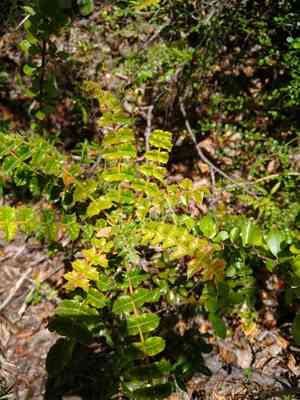
Toxic ash belongs to the Anacardiaceae botanical group, originating from equatorial zones. The most effective method for multiplying toxic ash is via cuttings. Choose robust stems, ensuring they are devoid of any ailments. Cuttings ought to be semi-lignified and measure between 4 and 6 inches in length. Submerge the severed tips in a rooting compound to stimulate root formation, then embed them in a potting substrate that drains efficiently, preserving steady dampness until roots take hold.
When Is the Optimal Time to Propagate Poison Ash?
Propagation Method
Cutting
Propagation Period
Spring,Summer
What Equipment Is Used in Poison Ash Propagation?
Pruning Shears
Utilized for taking precise cuttings from poison ash, minimizing harm to the parent plant. Sharp, clean blades are crucial to prevent disease and ensure clean cuts.
Rooting Hormone
Aids in stimulating root development in poison ash cuttings. It helps boost the success rate by encouraging quicker root growth.
Potting Mix
A well-draining potting medium is vital for poison ash cuttings to prevent rot and provide necessary nutrients and aeration for root development.
Seedling Trays
Seedling trays offer an organized and efficient method for managing multiple poison ash cuttings. They ensure each cutting has sufficient space and light.
Humidity Dome
Helps maintain essential humidity levels around poison ash cuttings, important for preventing desiccation before roots are established.
Spray Bottle
Useful for gently moisturizing poison ash cuttings without overwatering. It helps maintain moisture levels in the potting mix and on the foliage.
Disinfectant Solution
Crucial for sterilizing tools and containers to prevent the spread of pathogens that could impact poison ash cuttings.
Heat Mat
Ensures consistent and warm soil temperature, promoting faster and healthier root growth for poison ash's cuttings.
Labeling Stakes
Helpful for identifying different poison ash cuttings, especially when propagating multiple plants, to track various stages and types of cuttings.
How to Propagate Poison Ash?
Propagation Difficulty
Moderately Difficult
How to Care for Your Newly Propagated Poison Ash?
How to Care for Your Newly Propagated Poison Ash?
Once the cutting has developed roots (typically within several weeks to a few months), gradually introduce it to normal humidity by removing the plastic cover for a few hours daily. Replant the young poison ash into a larger container with well-draining soil. Water regularly, but avoid excessive watering. Position the plant in an area with bright, indirect light. Fertilize sparingly, as poison ash is adapted to low-nutrient environments. Monitor for pests and diseases, especially sap-sucking insects and fungal infections, and address promptly to ensure healthy growth.
Common Errors to Avoid When Propagating Poison Ash
Overwatering
Excessive watering can lead to root rot, which is detrimental to poison ash's health and can hinder successful propagation.
Incorrect Soil Type
Using soil that lacks proper drainage can suffocate roots and cause fungal issues, jeopardizing propagation efforts.
Direct Sunlight
Exposing cuttings or young plants to direct, intense sunlight can cause leaf burn and impede growth.
Improper Handling of Cuttings
Rough handling can damage delicate cuttings, reducing their chances of successful rooting.
Tips For Propagating Poison Ash
Well-Draining Soil
Utilize a soil mix that offers excellent drainage to prevent waterlogging and encourage robust root development.
Moderate Watering
Ensure the soil remains moist but not saturated to foster root growth without causing rot.
Indirect Light
Position the cuttings or young plants in a spot with bright, indirect light to prevent leaf burn and support growth.
Gentle Handling
Handle cuttings with care to avoid damage, using clean, sharp tools for cutting to minimize stress.



