How to Prune Umbellate bastard toad-flax?
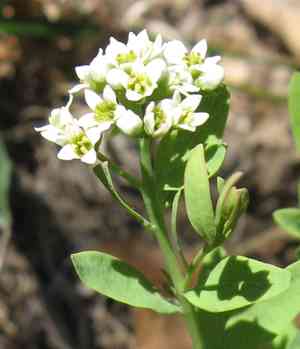
Distinguished by its meadow environment and non-woody structure, umbellate bastard toad-flax thrives with judicious trimming. It is crucial to eliminate faded blossoms and compromised stalks to foster well-being and robust development. The most suitable periods for pruning are spring, summer, or autumn, guaranteeing negligible disruption to its progression. Thoughtful reduction of crowded sections improves air movement, preventing ailments. Similar to numerous perennials, trimming after flowering can stimulate a subsequent bloom, augmenting the plant's aesthetic appeal.
What Are the Benefits of Pruning Umbellate Bastard Toad-flax?
What Are the Benefits of Pruning Umbellate Bastard Toad-flax?
Trimming umbellate bastard toad-flax encourages robust development and helps maintain its desired form, ensuring it stays vigorous and visually appealing in the garden.
What Is the Best Time for Pruning Umbellate Bastard Toad-flax?
What Is the Best Time for Pruning Umbellate Bastard Toad-flax?
Pruning or trimming umbellate bastard toad-flax in early spring is optimal as it occurs before new growth begins, allowing the plant to recover and efficiently channel energy into fresh shoots. This also lowers the chance of pest or disease issues, which are more common in open wounds during active growth. Late fall is also suitable, aligning with the plant's dormancy after its growth cycle concludes and before winter stress. Late fall pruning enables gardeners to remove any dead or diseased wood, enhancing the plant's overall health and shape without disrupting flowering or fruiting, which typically happens in late spring to early summer for umbellate bastard toad-flax. These timings ensure minimal impact on the health and vitality of umbellate bastard toad-flax during its crucial growth phases.
What Tools Do I Need to Prune Umbellate Bastard Toad-flax?
Bypass Pruners
Perfect for precise cuts on umbellate bastard toad-flax, bypass pruners operate like scissors with two overlapping blades for a clean cut. Suitable for stems up to 1/2 inch thick.
Garden Scissors
Useful for deadheading and trimming delicate stems and foliage of umbellate bastard toad-flax, requiring careful, close work.
Pruning Saw
A pruning saw may be necessary for umbellate bastard toad-flax if there are thicker, woody stems or branches too large for pruners.
Gloves
To protect hands from scratches and potential skin irritants when pruning umbellate bastard toad-flax.
How to Prune Umbellate Bastard Toad-flax
Clean tools
Before beginning the pruning process for umbellate bastard toad-flax, thoroughly clean and sanitize all pruning tools to prevent disease spread. Use a solution of 1 part bleach to 9 parts water or a commercial disinfectant for garden tools.
Inspect plant
Carefully examine umbellate bastard toad-flax for diseased leaves, withered leaves, dead branches, and diseased branches. Look for any signs of discoloration, wilting, or damage indicating a need for removal.
Prune diseased leaves
Using sharp, sanitized shears, carefully trim off diseased leaves from umbellate bastard toad-flax, cutting back to healthy tissue. Ensure a clean cut to promote quick healing and prevent further infection.
Prune withered leaves
Carefully remove any withered leaves on umbellate bastard toad-flax by pruning them at the base of the leaf stem. Make the cut close to the main stem to maintain a neat appearance and encourage new growth.
Prune dead branches
Remove dead branches from umbellate bastard toad-flax by making a clean cut just outside the branch collar. This allows umbellate bastard toad-flax to heal more effectively and prevents decay from spreading to healthy parts of the plant.
Prune diseased branches
Identify and remove any diseased branches from umbellate bastard toad-flax by cutting them back to healthy tissue or removing the entire branch if necessary. Properly dispose of all removed plant material to avoid reinfection.
Common Pruning Mistakes with Umbellate Bastard Toad-flax
Overpruning
Removing too much foliage can stress umbellate bastard toad-flax, weakening the plant and potentially leading to poor growth or even death.
Improper cut locations
Cutting too far from a bud or node can leave a stub that increases the risk of disease and pest infestation for umbellate bastard toad-flax.
Using dull tools
Pruning with dull tools can result in jagged cuts that are more likely to become infected and slow the healing process of umbellate bastard toad-flax.
Pruning healthy growth
Unnecessarily cutting away healthy growth can limit umbellate bastard toad-flax's ability to photosynthesize effectively, impacting its overall health.
Ignoring diseased areas
Failing to remove diseased or damaged tissue can allow problems to spread throughout umbellate bastard toad-flax, negatively impacting its health and vitality.
Common Pruning Tips for Umbellate Bastard Toad-flax
Sanitation
Always use clean and sharp pruning tools to make clean cuts and reduce the risk of spreading diseases to umbellate bastard toad-flax.
Selective pruning
Prune selectively to maintain the natural shape of umbellate bastard toad-flax and avoid a manicured appearance that does not suit this species' growth habit.
Cut angle
Make angled cuts just above a node or bud to encourage proper healing and direct new growth outward from the center of umbellate bastard toad-flax.
Thin out
Thin out crowded branches to increase air circulation and light penetration, which can improve the health and flowering of umbellate bastard toad-flax.
Focus on damaged material
Prioritize removing dead, diseased, or damaged stems to help umbellate bastard toad-flax direct energy toward producing new, healthy growth.



