How to Prune Balsam tree?
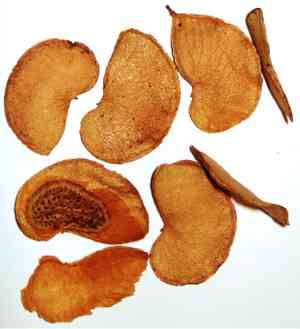
A robust, arid-resistant bush, balsam tree flourishes in warm environments. Trimming ought to occur in late winter or early spring to eliminate deceased branches, sculpt the specimen, and encourage robust development. Deliberate thinning improves light access and air circulation, lowering the chance of illness. A measured reduction encourages fresh, healthy stems, preserving the tree's inherent structure while sustaining its unique butterfly-like foliage and extensive ecological contribution.
What Are the Benefits of Pruning Balsam Tree?
What Are the Benefits of Pruning Balsam Tree?
Trimming balsam tree encourages robust development and maintains an attractive form, boosting its hardiness and decorative value.
What Is the Best Time for Pruning Balsam Tree?
What Is the Best Time for Pruning Balsam Tree?
Trimming balsam tree in late winter or early spring is advantageous as it aligns with the conclusion of its dormant period and just prior to the start of its active growth phase. This timing enables gardeners to remove any lifeless or damaged branches without jeopardizing the plant's well-being, while also limiting opportunities for pests and diseases to enter through pruning wounds. Furthermore, pruning before balsam tree commences its new growth cycle ensures that the plant's energy is directed towards producing fresh, healthy growth instead of sustaining superfluous branches. This practice also aids in preserving the desired shape and size, supports improved air circulation within the canopy, and maximizes the plant's vitality by stimulating new foliage and branch development as temperatures rise.
What Tools Do I Need to Prune Balsam Tree?
Bypass Pruners
Balsam tree possesses relatively slender branches that can be easily severed with bypass pruners. These tools deliver clean cuts without harming the branch tissue, which is vital for the plant's health and recovery.
Lopping Shears
For branches too thick for bypass pruners, lopping shears can be utilized on balsam tree. These shears offer leverage, simplifying the task of trimming thicker growth without overexerting the gardener.
Pruning Saw
For the thickest branches of balsam tree, a pruning saw is essential. This instrument allows for cutting through dense wood that exceeds the capacity of lopping shears, without creating jagged cuts.
Pole Pruner
To safely access higher branches of balsam tree without employing a ladder, a pole pruner is effective. This tool provides extended reach, ensuring that the pruning process is carried out securely from the ground.
How to Prune Balsam Tree
Clean tools
Sanitize your pruning implements using a bleach and water solution or rubbing alcohol to prevent disease transmission when cutting balsam tree.
Inspect
Carefully examine balsam tree to identify any dead or diseased branches. Dead branches will be brittle and break easily, while diseased branches may exhibit discoloration or signs of fungal growth.
Cut diseased
Using your disinfected shears, trim diseased branches on balsam tree by cutting at a slight angle just above a healthy bud, node, or lateral branch, ensuring no stubs are left that could harbor disease.
Cut dead
Remove dead branches from balsam tree by making clean cuts close to the trunk or main branch, without damaging the branch collar, to encourage better healing and reduce infection risk.
Dispose
Discard all clipped diseased and dead material away from balsam tree and avoid composting them to prevent the spread of any present pathogens in the cuttings.
Common Pruning Mistakes with Balsam Tree
Overpruning
Removing an excessive amount of foliage from balsam tree, which can stress the plant and increase its susceptibility to diseases or pest infestations.
Improper cut locations
Making cuts too close to the main stem or too far from the bud can result in poor healing and potential entry points for disease in balsam tree.
Using dull tools
Trimming balsam tree with blunt tools can cause ragged cuts that are more prone to infection and do not heal as effectively.
Neglecting to prune
Failing to remove dead or diseased wood can impede the overall health and aesthetic appeal of balsam tree.
Pruning without a plan
Random or excessive cutting without a clear objective can lead to an undesirable growth pattern and diminish the vigor of balsam tree.
Common Pruning Tips for Balsam Tree
Clean cuts
Ensure you use sharp, clean pruning tools to make smooth cuts that heal quickly and minimize disease risk in balsam tree.
Sterilize tools
Before trimming balsam tree, disinfect the tools to prevent the spread of pathogens that could harm the plant.
Cutting angle
When pruning, cut at a 45-degree angle above buds facing the outside of the plant to encourage outward growth of balsam tree.
Observe growth
Regularly assess the development of balsam tree to determine which specific branches require pruning for optimal plant shape and health.
Prune for airflow
Thin out crowded branches to enhance air circulation and light penetration, which can help prevent fungal diseases in balsam tree.
Healing time
Allow time for balsam tree to recover after pruning by avoiding unnecessary disturbances to the cut areas.



