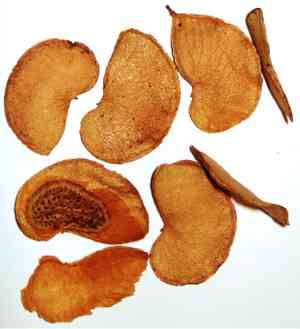
Balsam tree (Colophospermum mopane)
Also known as: White ironwood
The balsam tree, such as the balsam fir, typically thrives in cool, moist regions rather than hot, dry areas. These trees are commonly found in boreal forests and mountainous regions of North America. Preferring well-drained, acidic soils, balsam trees flourish in environments with cold winters and moderate summers. They are not typically associated with savanna woodlands or dry river valleys.
In This Article
Attributes of Balsam tree
Lifespan
Perennial
Plant Type
Tree
Plant Height
4 m to 18 m
Spread
12 m
Leaf Color
Green
Flower Size
7 cm
Flower Color
Yellow
Images of Balsam tree
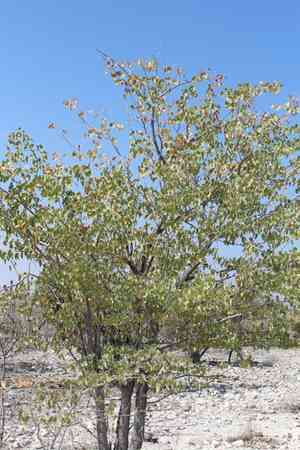
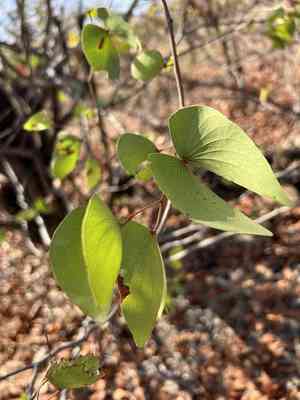
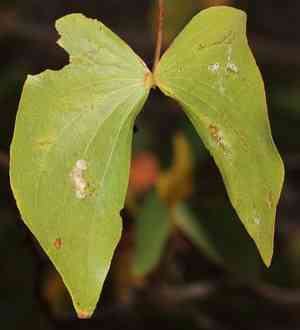
Quickly Identify Balsam tree
1
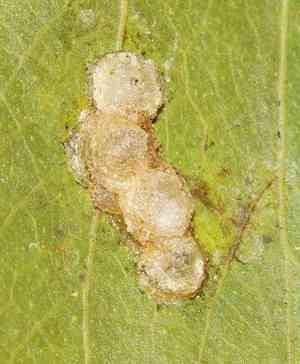
Mopane can be identified by its characteristic butterfly-shaped leaflets and the presence of a distinctive sweet aroma when the leaves are crushed. The wood is dense and termite-resistant.
Scientific Classification of Balsam tree
Phylum
Vascular plants
Class
Dicotyledons
Order
Fabales
Family
Legume
Genus
Colophospermum
Species
Balsam tree
Planting and Growing of Balsam tree
Care Difficulty
Easy
Watering Schedule
Every 2 days
Sunlight Requirements
Full sun
Sunshine Duration
4-6 hours
Ideal Temperature
70-90℉
Soil Type
Potting Mix, Peat Mix
Soil pH
6.5-7.5
Fertilizer Type
Balanced
Pruning Season
Spring, Summer
Pruning Area
Branches, Leaves
Pruning Frequency
2 times a year
Repotting Season
Spring
Pot Type
Plastic, Ceramic
 How to Water Balsam tree?
When watering Colophospermum mopane, ensure the soil is moistened thoroughly but not saturated. Adequate watering means the soil should feel damp a few inches down, which helps mimic the plant's natural dry habitat while avoiding root rot.
What are the symptoms of an underwatered Balsam tree?
›
What should I do if my Balsam tree is not getting enough water?
›
What are the symptoms of an overwatered Balsam tree?
›
How to save an overwatered Balsam tree?
›
 What Are the Sunlight Requirements for Balsam tree?
Mopane thrives in full sun environments. Adequate sunlight ensures efficient photosynthesis, supporting vigorous growth, strong wood, and resilience to environmental stresses.
What are the ideal light conditions for Colophospermum mopane?
›
How can I ensure my mopane tree gets ideal lighting?
›
What benefits does optimal lighting provide to Colophospermum mopane?
›
 What Is the Ideal Temperature Range for Balsam tree?
Colophospermum mopane thrives in warm environments with temperatures ranging from 70°F to 90°F. This range ensures that the plant can photosynthesize efficiently and maintain its metabolic activities without stress.
 What Soil is Best for Balsam tree?
Colophospermum mopane thrives in well-drained soil, which prevents root rot. This characteristic is crucial for the tree's health, as it ensures the roots receive adequate oxygen, preventing waterlogging during heavy rains. This plant benefits from a nutrient-rich substrate that supports its growth and development. Nutrients like nitrogen and potassium are essential, providing the necessary support for foliage growth and resilience against environmental stress. Aerated soil structure is vital for Colophospermum mopane to ensure proper root expansion and access to nutrients. The porosity facilitates water and nutrient uptake, promoting robust growth and stabilizing the plant.
 How to Fertilize Balsam tree?
Colophospermum mopane requires careful attention to fertilization due to its unique soil preferences. You should use a balanced fertilizer with an NPK ratio of about 10-10-10. For liquid fertilizer, dilute it to half the recommended strength and apply about 200 ml per plant. For slow-release fertilizer, use approximately 50 grams distributed evenly around the base of the plant.
 How to Prune Balsam tree?
Ensure all tools are clean and sharp before beginning. This includes pruning shears and saws. Sharp tools make cleaner cuts, reducing the risk of disease. Start by removing any dead or diseased branches. These branches may appear dry, brittle, or discolored compared to healthy growth. Aim to prune branches that are crossing or growing inward towards the tree center. It helps in promoting a healthy and open structure. Selectively thin out branches to reduce canopy density. This allows light and air to penetrate through, fostering healthier growth.
More About Pruning Techniques→
 How to Propagate Balsam tree plant?
1
First, select mature seeds and soak them in water for 24 hours to enhance germination. After soaking, plant them in a nutrient-rich soil mixture.
2
Choose a healthy branch and use sharp pruning shears to cut a section approximately 10 cm long. Ensure there are at least two nodes on each cutting.
3
Place seeds or cuttings in moist soil. For seeds, ensure they are covered lightly with soil, and for cuttings, ensure nodes are buried for optimal rooting.
 How to Repot Balsam tree plant?
1
Repotting Colophospermum mopane is best indicated when roots start growing out of the drainage holes, or when the plant exhibits slowed growth. Early spring or summer, when the plant is on the verge of its growth phase, is the optimal time to maximize root establishment in a new pot.
2
Select a pot that is only slightly larger than the current one. The new pot should have good drainage to prevent waterlogging, which could lead to root rot. Ceramic or terracotta pots are excellent choices as they allow the soil to dry out more evenly, mimicking the plant's natural arid habitats.
3
Opt for a well-draining sandy loam mix catering to arid environment plants. This type of soil will prevent water stagnation and allows for adequate oxygenation of roots, crucial for the healthy growth of mopane trees.



