How to Prune Tiny trumpets?
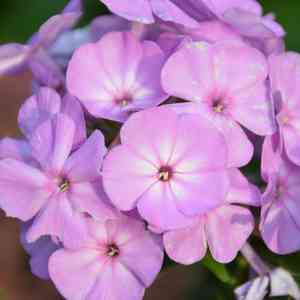
For tiny trumpets, a delicate wild plant featuring vivid blossoms, trimming requirements are slight. Removing faded flowers stimulates ongoing flowering and deters self-propagation. Shorten elongated stalks in late spring to preserve a dense shape. After flowering, reduce stems by one-third during summer or early autumn to foster plant vigor. Refrain from winter trimming to safeguard emerging shoots.
What Are the Benefits of Pruning Tiny Trumpets?
What Are the Benefits of Pruning Tiny Trumpets?
Trimming tiny trumpets can encourage more vigorous development and maintain a compact, visually appealing shape. Strategic cuts help direct energy to desired areas, ensuring tiny trumpets flourishes with vitality and keeps its intended form within a garden setting.
What Is the Best Time for Pruning Tiny Trumpets?
What Is the Best Time for Pruning Tiny Trumpets?
Pruning tiny trumpets in early spring is optimal as it occurs before new growth commences, allowing tiny trumpets to allocate energy to developing robust, new structures without the burden of old or dead tissue. Late summer trimming is beneficial for shaping tiny trumpets or managing its size after the primary growth period. However, caution should be exercised to avoid excessive cutting that might stimulate new growth vulnerable to early frost. Early fall pruning, once flowering has ceased, permits the removal of spent blooms and can aid in disease prevention by eliminating potential overwintering sites for pests or pathogens. It is crucial not to prune late in fall because fresh cuts might not have adequate time to heal before winter, potentially leading to cold damage. Seasonal considerations ensure that tiny trumpets maintains vigor, health, and abundant flowering.
What Tools Do I Need to Prune Tiny Trumpets?
Hand Pruners
Perfect for making precise cuts on tiny trumpets, which often only requires light trimming to remove dead or faded flowers. Hand pruners offer the control needed to cut close to the main stem without causing harm.
Pruning Scissors
Especially useful for thinning out tiny trumpets without damaging surrounding stems and flowers. These scissors allow for accurate snips in confined spaces.
Gardening Gloves
Though not a cutting tool, gloves are vital when pruning tiny trumpets to shield your hands from thorns or sharp edges and to ensure a firm grip on your pruning tools.
How to Prune Tiny Trumpets
Clean tools
Sanitize pruning tools before beginning to prevent the spread of disease to tiny trumpets. Use alcohol wipes or a bleach solution to clean the blades.
Identify
Inspect tiny trumpets to locate withered leaves that are brown, dry, and clearly deceased.
Cut
Make clean cuts to remove the withered leaves at their base where they connect to the stem. Use sharp scissors or pruning shears for accurate cuts.
Dispose
Discard the removed withered leaves to minimize the risk of disease and pest infestation in tiny trumpets.
Watering
After pruning, water tiny trumpets moderately to aid recovery, ensuring the soil is moist but not waterlogged.
Common Pruning Mistakes with Tiny Trumpets
Overpruning
Removing too much of tiny trumpets's foliage can weaken the plant and diminish its vitality. This error can also reduce the number of flowers tiny trumpets produces.
Cutting too closely
Making cuts too near the main stem or buds of tiny trumpets may harm the plant's growth points and lead to disease entry or poor regrowth.
Ignoring dead or diseased material
Failing to remove dead or diseased branches can limit tiny trumpets's energy distribution to healthy parts and may spread disease within the plant.
Pruning without sterilizing tools
Using unsterilized tools can introduce pathogens to tiny trumpets, causing infection and potentially spreading disease to other plants.
Common Pruning Tips for Tiny Trumpets
Sharp tools
Utilizing sharp, clean pruning shears ensures precise cuts that heal quickly, reducing the risk of disease in tiny trumpets.
Judicious cuts
Make selective cuts to maintain the natural form of tiny trumpets, promoting better air circulation and light penetration for a healthier plant.
Deadheading
Regularly remove spent flowers from tiny trumpets to encourage more blooms and prevent the plant from expending energy on seed production.
Thin congested areas
Thin out crowded areas to improve air flow, which helps prevent fungal diseases and promotes better growth in tiny trumpets.
Prune for shape
Lightly shape tiny trumpets after blooming to encourage bushier growth, but avoid heavy pruning which could stress the plant.



