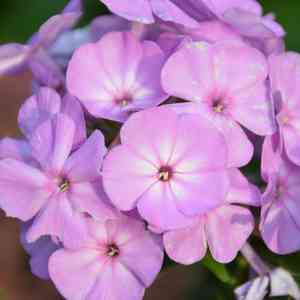
Tiny trumpets (Collomia linearis)
Also known as: Narrow-leaf collomia
Tiny trumpets (Collomia linearis) produce seeds within a capsule that splits into three parts. When the fruit ripens, the seeds are ejected and land on the ground. Upon contact with rain, the seeds release numerous sticky threads. These threads anchor the seeds to the soil, ensuring they remain in place and can successfully germinate.
In This Article
Attributes of Tiny trumpets
Lifespan
Annual
Plant Type
Herb
Plant Height
38 cm
Spread
N/A
Leaf Color
Green
Flower Size
1 cm
Flower Color
Pink Purple
Images of Tiny trumpets
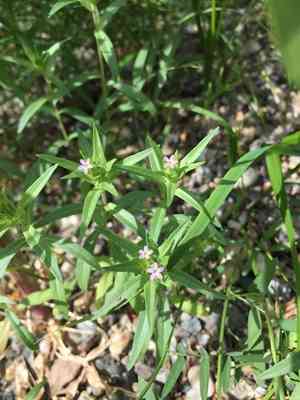
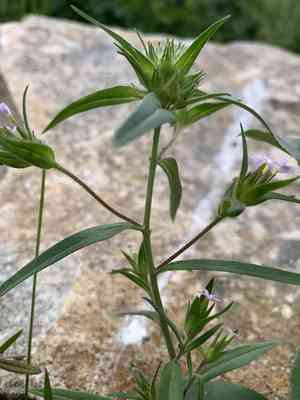
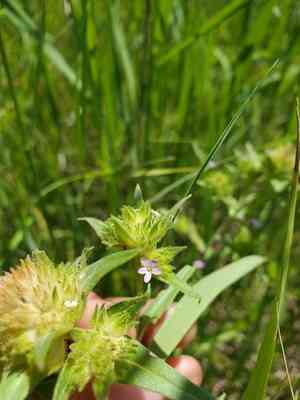
Quickly Identify Tiny trumpets
1
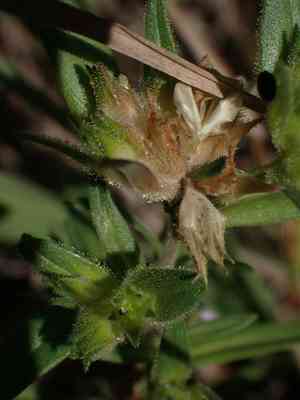
Collomia linearis can be identified by its narrow, lance-shaped leaves and its small, star-like flowers which range from pink to blue. The flowers typically form in clusters at the tips of the stems.
Scientific Classification of Tiny trumpets
Phylum
Vascular plants
Class
Dicotyledons
Order
Ericales
Family
Phlox
Genus
Trumpets
Species
Tiny trumpets
Planting and Growing of Tiny trumpets
Care Difficulty
Easy
Watering Schedule
Every 2 days
Sunlight Requirements
Full sun
Sunshine Duration
4-6 hours
Ideal Temperature
60-75℉
Soil Type
Potting Mix, Peat Mix
Soil pH
6.5-7.5
Fertilizer Type
Balanced
Pruning Season
Spring, Summer
Pruning Area
Branches, Leaves
Pruning Frequency
2 times a year
Repotting Season
Spring
Pot Type
Plastic, Terracotta
 How to Water Tiny trumpets?
When watering Collomia linearis, aim to soak the soil thoroughly until water begins to seep out of the drainage holes. This plant prefers the soil to be well-drained and slightly dry between waterings, so allow the top inch of soil to dry out before watering again.
What are the symptoms of an underwatered Tiny trumpets?
›
What should I do if my Tiny trumpets is not getting enough water?
›
What are the symptoms of an overwatered Tiny trumpets?
›
How to save an overwatered Tiny trumpets?
›
 What Are the Sunlight Requirements for Tiny trumpets?
Collomia linearis is best suited for full sun or partial sun exposure, ideally receiving 6-8 hours of sunlight daily. Adequate sunlight fosters sturdy growth, strengthens stems, and promotes vibrant bloom displays.
Optimal sun exposure
›
Daytime sunlight
›
Solution for ideal sunlight
›
 What Is the Ideal Temperature Range for Tiny trumpets?
Collomia linearis thrives best in a moderate temperature range between 60°F and 75°F. This range ensures optimal growth and development. Temperatures within these limits allow for proper metabolic activities while reducing stress on the plant.
 What Soil is Best for Tiny trumpets?
Collomia linearis flourishes in soil with excellent drainage. Well-draining soil prevents water from pooling around the roots, reducing the risk of root rot and promoting healthy growth. This plant favors light, airy soils that allow roots to breathe and expand easily. Sandy or loamy textures are ideal as they facilitate nutrient uptake and root development. The soil should be moderately rich in nutrients, providing a balanced supply of essential minerals. This ensures robust foliage growth and vibrant blossoms throughout its growing season.
 How to Fertilize Tiny trumpets?
For Collomia linearis, the fertilizer amount must be carefully measured. Generally, use a diluted solution of liquid fertilizer at half the standard strength to avoid overwhelming the plant.
 How to Prune Tiny trumpets?
Start by removing any dead, diseased, or damaged stems back to the base. This helps the plant direct its energy towards growth and blooming, ensuring overall health and vitality. Pinch back the stem tips to encourage branching and a bushier appearance. This not only improves the aesthetic appeal but also supports a richer display of blossoms throughout the blooming season. Maintain the desired shape by selectively thinning out crowded areas. Trimming back overgrown parts can help maintain an appealing and tidy appearance while allowing light and air to penetrate the canopy.
More About Pruning Techniques→
 How to Propagate Tiny trumpets plant?
1
Fill the seed trays with a light, well-draining potting mix. Make sure the soil is moist, but not waterlogged, to provide the seeds with a suitable growing medium.
2
Distribute the Collomia linearis seeds evenly over the surface of the potting mix. Cover the seeds with a thin layer of soil. It's important to ensure good soil-to-seed contact while not burying the seeds too deep.
3
Place the seed trays in a location with ample sunlight and maintain soil moisture. It's crucial to provide a consistent warm environment, typically through a greenhouse or heated propagator, to encourage germination.
 How to Repot Tiny trumpets plant?
1
Collomia linearis, also known as Slender-stemmed Collomia, shows it's time for repotting when its roots start peeking out of the drainage holes or when growth seems stunted. This typically occurs every spring or summer.
2
Choose a pot that is one size larger than the current one, ensuring it has drainage holes. This helps in preventing excess moisture, which can lead to root rot. A slightly larger pot allows room for root growth without overwhelming the plant.
3
Opt for a well-draining, sandy soil mix to mimic its natural habitat. This soil mix helps in preventing overwatering and promotes healthy root growth while allowing proper aeration.
Learn More About Tiny trumpets Diseases
Anthracnose
Bacterial Leaf Spot
Bacterial Soft Rot
Bacterial Wilt
Chemical Injury
Damping-off
Downy Mildew
Drought Stress
Fusarium Wilt
Gray Mold
Leaf Curl
Leaf Spot
Mosaic
Nutrient Deficiency
Nutrient Toxicity
Powdery Mildew
Root Rot
Root-knot Nematode
Rusts
Sooty Mold
Spider Mites
Temperature Stress
Thrips Damage
White Mold



