How to Prune Giant blue eyed mary?
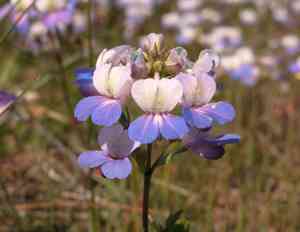
Characterized by vivid blue blossoms, giant blue eyed mary thrives with regular trimming to foster denser foliage and increased flowering. The most effective times for pruning are during Spring, Summer, and Autumn. Initiate the process by eliminating any deceased or compromised stalks to stimulate robust new development. A gentle trim following the blooming phase aids in preserving its form and vitality. Pruning improves air movement, lowers the chance of illness, and encourages the emergence of fresh flower-bearing stems. Always employ sanitized, keen implements for superior outcomes and to avert the dissemination of pathogens.
What Are the Benefits of Pruning Giant Blue Eyed Mary?
What Are the Benefits of Pruning Giant Blue Eyed Mary?
Trimming giant blue eyed mary helps maintain its form, encouraging robust development by eliminating old or diseased sections. It also boosts blooming, manages plant size, and enhances overall look, leading to a healthier, more vigorous plant.
What Is the Best Time for Pruning Giant Blue Eyed Mary?
What Is the Best Time for Pruning Giant Blue Eyed Mary?
Spring is an optimal period for trimming giant blue eyed mary as it fosters healthy development prior to the main flowering season. Pruning in early Summer aids in shape maintenance and promotes extended blooming. Autumn pruning is advantageous for removing any dead or diseased wood, preparing giant blue eyed mary for dormancy, and ensuring vitality for the subsequent growing cycle. These periods align with giant blue eyed mary's natural growth and bloom patterns, ensuring the plant remains healthy and vibrant.
What Tools Do I Need to Prune Giant Blue Eyed Mary?
Hand Pruners
Hand pruners are suitable for deadheading and removing spent flowers or damaged parts. They allow for precise cuts, which is important given the plant's delicate structure.
Bypass Pruners
These pruners work well for making clean cuts on living tissue without crushing stems, essential for maintaining the health of giant blue eyed mary.
Pruning Shears
Pruning shears are effective for general maintenance and shaping, providing a clean cut that helps prevent disease.
Fine Snippers
Fine snippers are recommended for detailed work, such as removing small branches or dead leaves, which can help in keeping giant blue eyed mary healthy and thriving.
How to Prune Giant Blue Eyed Mary
Identify withered leaves
Examine giant blue eyed mary regularly for any shriveled foliage, focusing particularly on leaves that have lost their color or become dry and brittle.
Prepare tools
Use sharp and clean pruning shears or scissors to avoid damaging the plant or spreading diseases. Ensure all tools are sanitized before use.
Trim withered leaves
Carefully cut the withered leaves at the base, close to the main stem, being cautious not to damage healthy growth. Remove all the withered parts to prevent any potential disease spread.
Dispose removed parts
Immediately dispose of the trimmed withered leaves away from your garden area to prevent any diseases or pests from infecting other plants.
Monitor growth
Regularly monitor giant blue eyed mary for any additional withered leaves and repeat the trimming process as necessary, ensuring the plant maintains healthy growth.
Common Pruning Mistakes with Giant Blue Eyed Mary
Over-pruning
Removing too much foliage or cutting back too drastically can stress giant blue eyed mary, impeding its growth and flowering.
Improper Technique
Using dull or unclean tools can cause jagged cuts and introduce diseases. Make sure to use sharp, sterilized pruning shears.
Wrong Timing
Pruning at the wrong time (e.g., during blooming) can reduce the number of flowers. It is crucial to prune at the appropriate times.
Incorrect Cutting Angles
Cutting at the wrong angle can lead to water accumulation and potential rot. Avoid flat or uneven cuts.
Common Pruning Tips for Giant Blue Eyed Mary
Moderate Pruning
Engage in light pruning to remove dead or damaged branches. This encourages healthier growth without causing undue stress to giant blue eyed mary.
Clean Cuts
Always make clean, precise cuts just above a leaf node or bud to promote proper healing and new growth.
Regular Inspection
Frequently inspect giant blue eyed mary for any damaged or diseased parts and remove them promptly to prevent spread.
Disinfection of Tools
Sterilize pruning tools before and after use to minimize the risk of transmitting diseases to giant blue eyed mary. Use a solution of one part bleach to nine parts water.



