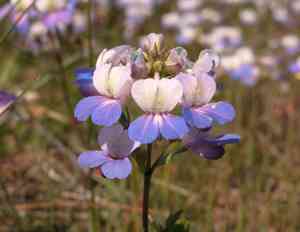
Giant blue eyed mary (Collinsia grandiflora)
Also known as: Giant Blue-eyed Mary
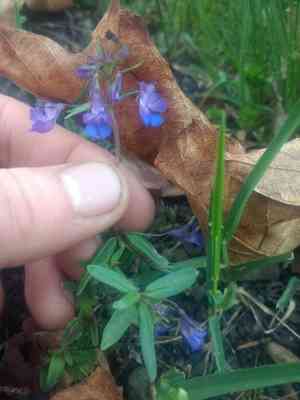
The giant blue eyed Mary (*Collinsia grandiflora*) is notable for its vibrant blue to violet flowers, which are arranged in eye-catching, tiered clusters. This herbaceous perennial typically grows in the woodland areas of western North America. Blooming primarily in the spring, it attracts pollinators with its striking colors. The plant's foliage is composed of green, ovate leaves that create a lush setting for its vivid blooms.
In This Article
Attributes of Giant blue eyed mary
Lifespan
Annual
Plant Type
Herb
Plant Height
10 cm to 41 cm
Spread
10-20 cm
Leaf Color
Green
Flower Size
1-2 cm
Flower Color
Blue and white
Images of Giant blue eyed mary
Quickly Identify Giant blue eyed mary
1
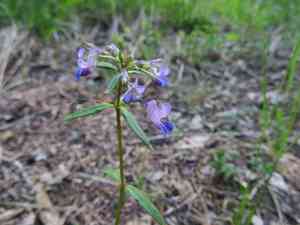
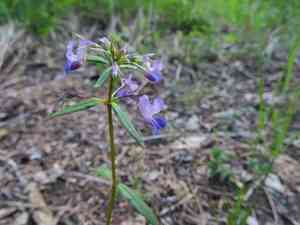
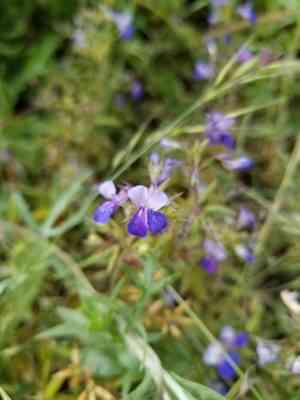
To identify Collinsia grandiflora, look for its distinctive bilaterally symmetrical flowers with blue and white petals, typically clustered in whorls along the stem. The leaves are lanceolate and arranged oppositely.
Scientific Classification of Giant blue eyed mary
Phylum
Vascular plants
Class
Dicotyledons
Order
Lamiales
Family
Plantain
Genus
Blue eyed Marys
Species
Giant blue eyed mary
Planting and Growing of Giant blue eyed mary
Care Difficulty
Moderate
Watering Schedule
Every 2 days
Sunlight Requirements
Partial sun
Sunshine Duration
6-10 hours
Ideal Temperature
60-75℉
Soil Type
Potting Mix, Peat Mix
Soil pH
6.5-7.5
Fertilizer Type
Balanced
Pruning Season
Spring, Summer
Pruning Area
Branches, Leaves
Pruning Frequency
2 times a year
Repotting Season
Spring
Pot Type
Plastic, Ceramic
 How to Water Giant blue eyed mary?
For Collinsia grandiflora, maintain a consistent moisture level in the soil without allowing it to become waterlogged. Water with about 200 ml each time, aiming for damp, not drenched, soil. Make sure the water is evenly distributed and reaches the root zone.
What are the symptoms of an underwatered Giant blue eyed mary?
›
What should I do if my Giant blue eyed mary is not getting enough water?
›
What are the symptoms of an overwatered Giant blue eyed mary?
›
How to save an overwatered Giant blue eyed mary?
›
 What Are the Sunlight Requirements for Giant blue eyed mary?
This plant thrives best in partial sun conditions, ideally receiving four to six hours of sunlight. These conditions optimize photosynthesis, fostering robust growth and vibrant flower production.
How much sunlight does Collinsia grandiflora need?
›
What is the solution for optimal light exposure?
›
What are the benefits of ideal lighting?
›
 What Is the Ideal Temperature Range for Giant blue eyed mary?
Collinsia grandiflora thrives best in mild temperatures ranging between 60 to 75 degrees Fahrenheit. These temperatures provide optimal conditions for photosynthesis and overall growth, preventing stress and ensuring healthy development. Maintaining such temperatures encourages vibrant flowering and robust plant health, mimicking its natural environmental conditions.
 What Soil is Best for Giant blue eyed mary?
Collinsia grandiflora thrives in well-draining soil that prevents water from lingering around the roots. This is crucial as it reduces the risk of root rot and fosters robust plant growth. This plant prefers soil with moderate nutrient levels to maintain its vibrant appearance. Too rich or too poor soil can affect its growth and blooming potential. A slight acidity in the soil, with a pH close to neutral, ensures optimal nutrient absorption. This pH range supports enzyme activity that is essential for healthy plant metabolism.
 How to Fertilize Giant blue eyed mary?
Collinsia grandiflora requires moderate amounts of fertilizer. A balanced liquid fertilizer at half the recommended strength is ideal to support its growth. When using slow-release fertilizers, follow manufacturer instructions to avoid overfeeding.
 How to Prune Giant blue eyed mary?
Collinsia grandiflora has a natural growth habit that should be maintained. Avoid over-pruning, which can stress the plant and inhibit its natural beauty. After pruning, ensure the plant is not exposed to harsh sunlight or extreme weather. This can cause undue stress and hinder recovery. Keep an eye on the plant after pruning for any signs of pest infestations or diseases. Early detection allows for prompt treatment and better plant health.
More About Pruning Techniques→
 How to Propagate Giant blue eyed mary plant?
1
Begin by filling your seed trays with a well-draining potting mix. Ensure the mix is moistened but not waterlogged. Level the surface of the mix to provide an even bed for seed sowing.
2
Scatter the Collinsia grandiflora seeds evenly over the surface of the potting mix. Gently press the seeds into the soil but do not cover them completely, as light aids germination. Mist the surface lightly with water to settle the seeds.
3
Place the seed tray in a warm, bright spot out of direct sunlight. Maintain a consistent temperature around 18-22°C (64-72°F) to encourage germination, which usually takes around 14 to 21 days for Collinsia grandiflora.
 How to Repot Giant blue eyed mary plant?
1
With Collinsia grandiflora, it's optimal to repot when you notice roots emerging from the drainage holes or if growth appears stunted. Ideally, repotting during the spring or early summer will give the plant ample time to reintegrate before blooming. Observe the plant closely; significant wilting or slowed growth can also signal it's time for a bigger home.
2
Select a pot that's just 1-2 inches larger in diameter than the existing one. This controlled size increase prevents overwatering while still providing space for root expansion. A pot with adequate drainage holes is crucial to avoid waterlogged conditions, ensuring healthy root development and vigorous plant growth.
3
Using a well-draining potting mix enriched with sand or perlite ensures adequate aeration and moisture management. This composition prevents root rot, a common issue with poor drainage, promoting a healthy root system. The soil's light texture is ideal for encouraging new roots to explore and stabilize swiftly.



