How to Prune Danish scurvy-grass?
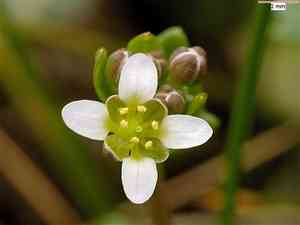
A robust seaside perennial herb, danish scurvy-grass thrives with little upkeep. The best time for trimming is after blooming in spring or early summer to stimulate fresh development and preserve its form. Autumn pruning removes spent leaves, averting illness. Make cuts just above a leaf joint with sanitized, sharp scissors. Consistent trimming enhances danish scurvy-grass's vitality and look, fostering thicker foliage and preventing sparse growth. Refrain from severe pruning; gentle, regular snips are adequate for this durable specimen.
What Are the Benefits of Pruning Danish Scurvy-grass?
What Are the Benefits of Pruning Danish Scurvy-grass?
Trimming danish scurvy-grass promotes robust development and helps maintain its form, leading to a more compact and visually appealing look while enhancing overall plant vitality.
What Is the Best Time for Pruning Danish Scurvy-grass?
What Is the Best Time for Pruning Danish Scurvy-grass?
Trimming danish scurvy-grass in spring is beneficial as the plant exits dormancy, supporting strong growth and allowing for shaping before the main growing season. Early summer pruning helps manage growth, maintain an attractive plant shape, and remove spent blooms, fostering a healthier plant. Late fall, after flowering, is also suitable as it prepares danish scurvy-grass for winter rest and removes dead or dying foliage that could harbor pests and diseases.
What Tools Do I Need to Prune Danish Scurvy-grass?
Bypass Pruners
Perfect for making clean, precise cuts on danish scurvy-grass, essential for plant health and encouraging new growth.
Gardening Shears
Suitable for trimming and shaping danish scurvy-grass's foliage without harming delicate stems.
Gardening Gloves
Offers hand protection for the gardener and ensures safe handling of danish scurvy-grass during trimming.
Small Gardening Scissors
Allows for careful trimming of danish scurvy-grass in tight spots and aids in deadheading faded flowers to stimulate new blooms.
How to Prune Danish Scurvy-grass
Disinfect tools
Clean and sanitize pruning shears to prevent disease transmission to danish scurvy-grass.
Identify withered leaves
Carefully inspect danish scurvy-grass to locate all the dried leaves that require removal.
Cut withered leaves
Using the shears, snip the withered leaves at their base where they connect to the stem or main plant body, ensuring clean cuts without harming nearby healthy tissue.
Dispose withered leaves
Gather the removed withered leaves and discard them away from the garden to minimize disease risk.
Clean up
Gently brush off any remaining debris from danish scurvy-grass and tidy the work area to maintain cleanliness and deter pests.
Common Pruning Mistakes with Danish Scurvy-grass
Over pruning
Removing too much foliage from danish scurvy-grass at once can impede its ability to photosynthesize effectively, reducing vigor and overall health.
Cutting too close
Trimming danish scurvy-grass too near the main stem or crown might damage the plant's vital tissues, risking disease or stunted development.
Using dull tools
Pruning danish scurvy-grass with blunt tools can create ragged cuts that heal poorly, leaving the plant vulnerable to pests and diseases.
Neglecting disinfection
Failing to sanitize tools between cuts can spread pathogens from diseased parts of danish scurvy-grass to healthy areas.
Ignoring plant structure
Lack of understanding of danish scurvy-grass's growth habit can lead to pruning that doesn't support its natural shape or flowering pattern.
Common Pruning Tips for Danish Scurvy-grass
Sharp tools
Always use sharp, clean pruning shears or scissors to make clean cuts on danish scurvy-grass, which aids in quick and effective healing.
Cutting angle
Cut danish scurvy-grass at a 45-degree angle, about 1/4 inch above a leaf node or bud, to encourage new growth in the desired direction.
Selective pruning
Identify and selectively remove only dead, diseased, or overgrown parts of danish scurvy-grass to maintain health and aesthetic appeal without over-pruning.
Disinfect pruning tools
Sanitize your pruning tools before and after working on danish scurvy-grass, using a solution of 1 part bleach to 9 parts water, to prevent the spread of disease.
Consistent maintenance
Regularly check danish scurvy-grass for broken or diseased branches, removing them promptly to improve air circulation and reduce the risk of pest infestations.



