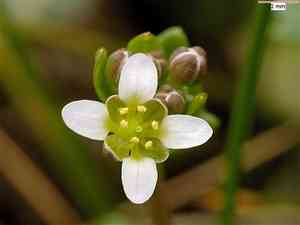
Danish scurvy-grass (Cochlearia danica)
Also known as: Danish Scurvygrass
Danish scurvy-grass (Cochlearia danica) is typically found in coastal regions but has adapted well to the saline conditions near salted roads in Europe. Its ability to tolerate high salt levels allows it to thrive where other plants cannot. Additionally, the seeds of Danish scurvy-grass are often dispersed by the turbulence created by passing vehicles, aiding its spread. The term "Cochlearia" refers to the spoon-like shape of its leaves, and when crushed, the leaves emit a strong mustard-like odor.
In This Article
Attributes of Danish scurvy-grass
Lifespan
Annual, Biennial, Perennial
Plant Type
Herb
Plant Height
3 cm to 15 cm
Spread
Does not form a woody crown; typically forms a rosette
Leaf Color
Green
Flower Size
4 mm to 5 mm
Flower Color
White
Images of Danish scurvy-grass
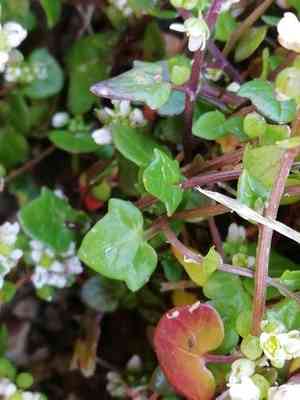
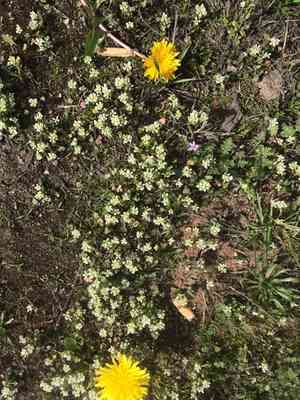
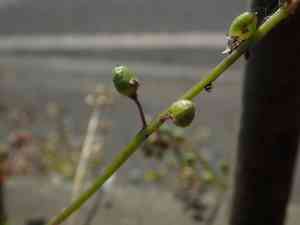
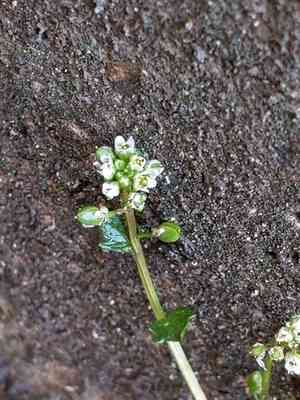
Quickly Identify Danish scurvy-grass
1
This plant can be identified by its fleshy, spoon-shaped leaves and small white flowers. It tends to form dense clusters and often grows in coastal areas, particularly on cliffs and roadside verges affected by salt.
Scientific Classification of Danish scurvy-grass
Phylum
Vascular plants
Class
Dicotyledons
Order
Brassicales
Family
Cruciferae
Genus
Scurvy-grass
Species
Danish scurvy-grass
Planting and Growing of Danish scurvy-grass
Care Difficulty
Easy
Watering Schedule
Every 4 days
Sunlight Requirements
Full sun
Sunshine Duration
4-6 hours
Ideal Temperature
50-68℉
Soil Type
Potting Mix, Peat Mix
Soil pH
6.5-7.5
Fertilizer Type
Balanced
Pruning Season
Spring, Summer
Pruning Area
Branches, Leaves
Pruning Frequency
2 times a year
Repotting Season
Spring
Pot Type
Plastic, Ceramic
 How to Water Danish scurvy-grass?
For Cochlearia danica, it's important to water until the soil is moist but not soggy. This usually means around 150 ml per session, ensuring that excess water drains out to avoid root rot.
What are the symptoms of an underwatered Danish scurvy-grass?
›
What should I do if my Danish scurvy-grass is not getting enough water?
›
What are the symptoms of an overwatered Danish scurvy-grass?
›
How to save an overwatered Danish scurvy-grass?
›
 What Are the Sunlight Requirements for Danish scurvy-grass?
Cochlearia danica thrives best under partial to full sunlight conditions, benefiting from the equilibrium between heat and photosynthetic energy. Ideal light facilitates robust foliage and a prolonged flowering period.
Question 1: What is the best lighting for Cochlearia danica?
›
Question 2: How can I provide optimal light conditions for this plant?
›
Question 3: What benefits can the plant gain from optimal lighting?
›
 What Is the Ideal Temperature Range for Danish scurvy-grass?
Cochlearia danica thrives best in moderate climates where temperatures range between 50°F and 68°F. These conditions allow for optimal growth and development of foliage, ensuring the plant maintains its health and vibrant coloration. The stable temperate conditions within this range facilitate robust photosynthesis, enabling the plant to produce the energy needed for growth. Maintaining these temperature conditions is crucial for the prevention of stress-related issues and for maximizing the plant's potential.
 What Soil is Best for Danish scurvy-grass?
Cochlearia danica thrives in well-draining soils that allow excess water to escape quickly, preventing root rot and other water-related issues. Rich in nutrients, loamy soils support the growth of Cochlearia danica by providing the essential minerals needed for healthy foliage and flowering. While drainage is important, the soil needs to hold some moisture for the nutrients to be available to the plant, facilitating sustained growth.
 How to Fertilize Danish scurvy-grass?
For Cochlearia danica, the recommended fertilization amount is moderate. When using liquid fertilizers, dilute them to half of the recommended strength to avoid overwhelming the plant's roots. For slow-release fertilizers, apply a thin layer evenly across the soil to provide a steady supply of nutrients over an extended period.
 How to Prune Danish scurvy-grass?
Begin by examining the plant to identify dead, damaged, or diseased parts. These should be removed first to prevent the spread of disease and to improve the plant's overall appearance. Regularly prune to maintain the desired shape and structure of the plant. Cut back overgrown stems to encourage bushier growth and remove any cross-growing branches.
More About Pruning Techniques→
 How to Propagate Danish scurvy-grass plant?
1
Begin by filling the seed tray with potting mix, leaving a small gap at the top. Scatter the Cochlearia danica seeds evenly over the surface, and cover lightly with more potting mix. Water gently and maintain a warm environment.
2
Cover the seed tray with a clear plastic cover or a plastic wrap to maintain high humidity levels. This helps the seeds germinate faster. Ensure that the covering is not too tight to allow some airflow.
3
Once seedlings have a few sets of true leaves, carefully transplant them into individual pots. Handle carefully to avoid damaging the young roots. Place in a well-lit area but out of direct sunlight to acclimatize.
 How to Repot Danish scurvy-grass plant?
1
Repot Cochlearia danica when you notice roots growing out of the drainage holes or the plant seems stunted. This usually indicates it's becoming root-bound and needs more space.
2
Select a pot slightly larger than the current one with adequate drainage holes. This ensures the roots have space to grow, reducing the risk of waterlogging which can cause root rot.
3
Opt for a well-draining compost mix. This type of soil allows excess water to flow away, preventing root rot and encouraging healthy root development in Cochlearia danica.
Learn More About Danish scurvy-grass Diseases
Bacterial Leaf Spot
Bacterial Soft Rot
Clubroot
Cyst Nematode
Damping-off
Downy Mildew
Drought Stress
Fusarium Wilt
Gray Mold
Leaf Spot
Mosaic
Nutrient Deficiency
Nutrient Toxicity
Powdery Mildew
Root Rot
Root-knot Nematode
Rusts
Spider Mites
Temperature Stress
Thrips Damage
White Mold
Chemical Injury



