How to Prune Treadsoftly?
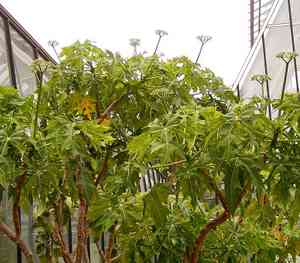
Cnidoscolus stimulosus, recognized by its irritating bristles and expansive, palmate foliage, thrives with judicious trimming to preserve its form and encourage robust development. The most suitable period for pruning is during the winter season when Cnidoscolus stimulosus is inactive. This schedule prevents strain during its active development phases and lessens susceptibility to infestations and ailments. Consistent elimination of compromised or excessively large sections will boost the plant's vitality and visual attractiveness, concurrently ensuring safety during upkeep.
Advantages of Trimming Treadsoftly
Advantages of Trimming Treadsoftly
Trimming treadsoftly promotes robust development and helps maintain a desired form. Regular cutting back manages size, encourages healthier leaves, and boosts light penetration, reducing susceptibility to disease.
Optimal Time for Trimming Treadsoftly
Optimal Time for Trimming Treadsoftly
The best period for trimming treadsoftly is during the winter. This timing coincides with treadsoftly's dormant stage, when its growth and metabolic processes are at their lowest. Winter pruning minimizes stress on treadsoftly, aiding recovery and vigorous growth in the subsequent active season. Furthermore, since treadsoftly has shed most of its leaves by winter, its structure is easier to see and access, allowing for more effective shaping and removal of dead or diseased branches. This strategic timing helps foster a strong structure and healthier, more productive growth in spring.
Tools Required for Trimming Treadsoftly
Bypass Pruners
Perfect for making clean cuts on the green, living branches of treadsoftly, ensuring minimal harm to the plant's tissues.
Loppers
Best for reaching into the denser parts of treadsoftly and cutting through thicker branches that bypass pruners cannot manage.
Gloves
Crucial for protecting the gardener's hands from the stinging hairs present on treadsoftly.
Long-sleeved Shirt
Offers additional defense against potential skin irritation when trimming treadsoftly.
How to Trim Treadsoftly
Identify
Locate and evaluate the dead and diseased branches on treadsoftly. Carefully look for branches showing signs of decay, illness, or those that are completely lifeless. These are typically discolored, brittle, and may have fewer leaves compared to healthy branches.
Prepare
Ready the necessary tools for trimming treadsoftly. Use clean, sharp pruning shears or a pruning saw depending on branch thickness. Sanitize your tools with rubbing alcohol or a bleach solution to prevent disease spread.
Cut
Sever the identified dead and diseased branches. Make cuts at a 45-degree angle, approximately 1/4 inch above a healthy bud or branch junction. Ensure cuts are clean and smooth, as jagged cuts can create entry points for pests and diseases.
Dispose
Properly discard the removed branches. Do not compost diseased branches as they can spread pathogens. Burn them or dispose of them via municipal yard waste services to prevent disease from spreading in your garden.
Clean
Clean the tools and the area around treadsoftly after trimming. Remove all debris and fallen leaves to minimize the risk of pest infestation and disease. Clean your tools again to ensure they are sterile for future use.
Common Trimming Errors with Treadsoftly
Excessive trimming
Removing too much foliage at once can stress treadsoftly, hindering its growth and blooming. Avoid taking more than 25-30% of the plant's total foliage in any single trimming session.
Incorrect tool usage
Using dull or dirty pruning shears can harm the stems of treadsoftly, leading to unhealthy cuts that heal poorly. Ensure tools are sharp and clean for precise cuts.
Ignoring plant structure
Cutting without understanding treadsoftly's structure can result in uneven growth and might expose plants to diseases. It's crucial to observe the natural shape and growth pattern before making cuts.
General Trimming Advice for Treadsoftly
Timely thinning
Regularly thin out crowded areas to enhance light penetration and air circulation throughout treadsoftly. This helps reduce disease risk and supports more robust growth.
Selective heading back
Prune back dominant stems selectively to encourage branching in treadsoftly and promote more compact growth. Focus on cutting back longer, overgrown branches to maintain the plant's balance and aesthetic appeal.
Cut placement
Always trim just above a leaf node or bud to encourage treadsoftly to regenerate effectively. This placement ensures healthier growth and helps maintain the plant's natural shape.



