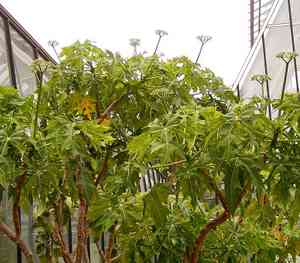
Treadsoftly (Cnidoscolus aconitifolius)
Also known as: Chaya
The plant you're looking for is the Monkshood. It features striking, deeply lobed leaves similar to those of the aconitum flower. Gardeners value Monkshood for its resilience and its knack for attracting pollinators, such as bees and butterflies. However, it's crucial to handle this plant carefully, as it is highly toxic.
In This Article
Attributes of Treadsoftly
Lifespan
Perennial
Plant Type
Tree, Shrub
Plant Height
6.6 ft
Spread
1 to 3 meters
Leaf Color
Green
Flower Size
0.5 to 1 cm
Flower Color
White
Images of Treadsoftly
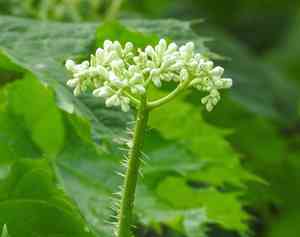
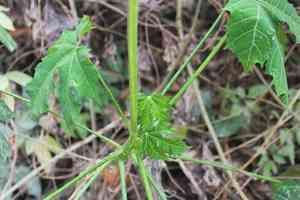
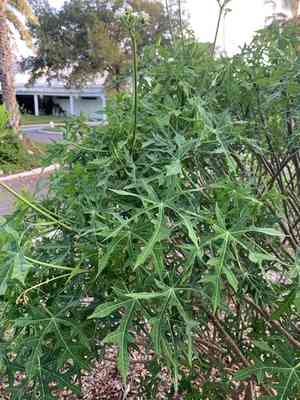
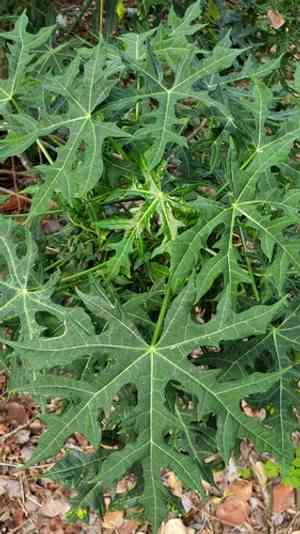
Quickly Identify Treadsoftly
1
Identifying Cnidoscolus aconitifolius involves looking for large, palmately lobed leaves with a rough texture. The plant produces small, white, star-shaped flowers and has a milky sap which can be irritating to the skin.
Scientific Classification of Treadsoftly
Phylum
Vascular plants
Class
Dicotyledons
Order
Malpighiales
Family
Spurge
Genus
Cnidoscolus
Species
Treadsoftly
Planting and Growing of Treadsoftly
Care Difficulty
Easy
Watering Schedule
Every 4 days
Sunlight Requirements
Partial sun
Sunshine Duration
4-6 hours
Ideal Temperature
68-85℉
Soil Type
Potting Mix, Peat Mix
Soil pH
6.5-7.5
Fertilizer Type
Balanced
Pruning Season
Spring, Summer
Pruning Area
Branches, Leaves
Pruning Frequency
2 times a year
Repotting Season
Spring
Pot Type
Plastic, Ceramic
 How to Water Treadsoftly?
For Cnidoscolus aconitifolius, apply around 500ml of water per session. The goal is to ensure the soil is moist but not waterlogged, allowing excess water to drain. Water until the top inch of soil feels consistently damp, without pooling.
What are the symptoms of an underwatered Treadsoftly?
›
What should I do if my Treadsoftly is not getting enough water?
›
What are the symptoms of an overwatered Treadsoftly?
›
How to save an overwatered Treadsoftly?
›
 What Are the Sunlight Requirements for Treadsoftly?
The plant prefers partial sun, which fosters balanced growth and robust foliage. Sufficient light ensures efficient photosynthesis, enhancing overall plant vitality and resistance.
What are the best lighting conditions for Cnidoscolus aconitifolius?
›
How to achieve ideal lighting for Cnidoscolus aconitifolius?
›
What benefits arise from providing ideal lighting?
›
 What Is the Ideal Temperature Range for Treadsoftly?
The ideal temperature range for Cnidoscolus aconitifolius is between 68°F and 85°F. This temperature range ensures optimal growth and health, promoting robust foliage and flower production. Maintaining this temperature range will help avoid stress conditions that can affect the plant’s physiological processes. It's beneficial to keep the plant where temperatures are consistently in this range to avoid unnecessary fluctuations that may compromise its health.
 What Soil is Best for Treadsoftly?
Cnidoscolus aconitifolius thrives in well-draining soil. This ensures that roots do not become waterlogged, preventing root rot and promoting healthy growth. Good drainage is essential for nutrient uptake as well. The plant benefits from a nutrient-rich substrate. It requires an adequate supply of organic matter and essential nutrients to support its rapid growth and lush foliage. Regularly amending the soil with compost can meet this need. Maintaining a soil pH between 6.5 and 7.5 is crucial for Cnidoscolus aconitifolius. This pH range allows optimal nutrient absorption and supports overall plant health, preventing nutrient deficiencies or toxicities.
 How to Fertilize Treadsoftly?
When fertilizing Cnidoscolus aconitifolius, use a balanced, water-soluble fertilizer. Dissolve about 1 tablespoon of the fertilizer per gallon of water. Ensure it is distributed evenly around the root zone, avoiding direct contact with the stem to prevent burning.
 How to Prune Treadsoftly?
Cnidoscolus aconitifolius produces a milky sap that can be irritating to the skin. Wear gloves during pruning to protect yourself. Ingesting the sap can also be toxic, so keep children and pets away during pruning activities. Before starting, examine your plant for any signs of disease, pests, or other issues. Pruning is the ideal time to remove any affected areas. This can prevent the spread of disease and improve the overall health of the plant.
More About Pruning Techniques→
 How to Propagate Treadsoftly plant?
1
Select healthy stems from the plant and cut them to about 4-6 inches long. Remove any leaves from the lower half of the cutting to reduce water loss.
2
Dip the cut end of each cutting in rooting hormone, then plant it in a pot with well-draining soil. Ensure the soil is moist but not waterlogged.
3
For seed propagation, spread seeds evenly in a seed tray filled with seed-starting mix. Cover them lightly with soil and water gently to keep moist.
 How to Repot Treadsoftly plant?
1
Repot your Cnidoscolus aconitifolius when you see roots emerging from the drainage holes or when the plant appears root-bound with stunted growth. These indications signal that the plant requires a larger space to continue thriving.
2
Select a pot that is one size larger than the current one, ensuring it has drainage holes. Using a larger pot allows room for root expansion and growth, prevents waterlogging, and promotes overall plant health by reducing the chances of root rot.
3
Opt for a well-draining, sandy soil mix, which facilitates proper airflow and drainage. This choice prevents water stagnation and enhances nutrient availability, crucial for the vigorous growth of Cnidoscolus aconitifolius.
Toxicity
Ingestion of raw leaves or sap contact with skin
WARNING
The judgment on toxicity and danger is for reference only. We DO NOT GUARANTEE any accuracy of such judgment. Therefore, you SHALL NOT rely on such judgment. It is IMPORTANT TO SEEK PROFESSIONAL ADVICE in advance when necessary.
Learn More About Treadsoftly Diseases
Anthracnose
Bacterial Leaf Spot
Bacterial Soft Rot
Bacterial Wilt
Chemical Injury
Damping-off
Downy Mildew
Drought Stress
Fusarium Wilt
Gray Mold
Leaf Curl
Leaf Spot
Mosaic
Nutrient Deficiency
Nutrient Toxicity
Powdery Mildew
Root Rot
Root-knot Nematode
Rusts
Sooty Mold
Spider Mites
Temperature Stress
Thrips Damage
White Mold



