How to Prune Alpine springbeauty?
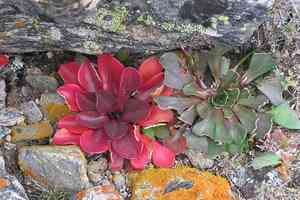
Claytonia megarhiza is a resilient perennial recognized for its fragile, star-like blossoms and elevated mountainous environment. Trim Claytonia megarhiza in the initial part of spring or the latter part of winter to eliminate deceased or compromised leaves and to sculpt the plant for peak development. Concentrate on excising any ailing portions and reducing dense areas to enhance air movement. Trimming not only improves the plant's aesthetic but also fosters more robust growth and a greater profusion of flowers. Precise trimming techniques guarantee Claytonia megarhiza flourishes in its surroundings.
What Are the Benefits of Pruning Alpine Springbeauty?
What Are the Benefits of Pruning Alpine Springbeauty?
Trimming alpine springbeauty promotes vigorous development, maintains its form, and enhances its overall look. Regular trimming encourages robust growth, minimizes pest and disease risks, and keeps the plant compact and manageable.
What Is the Best Time for Pruning Alpine Springbeauty?
What Is the Best Time for Pruning Alpine Springbeauty?
Pruning or trimming alpine springbeauty during early spring and late winter is optimal as it coincides with the plant's dormant growth phase. During these periods, the plant is not actively growing, which reduces stress and lowers the chance of disease or pest infestations. Furthermore, pruning before the active growth and flowering season stimulates healthier growth and more abundant blooms in the subsequent period. This timing allows the plant to focus its energy on new growth and recovery after pruning.
What Tools Do I Need to Prune Alpine Springbeauty?
Bypass Pruners
Bypass pruners are perfect for making clean cuts on the delicate stems of alpine springbeauty. Their precise blades help prevent crushing the plant tissue.
Precision Scissors
Precision scissors are suitable for trimming fine stems and flower stalks of alpine springbeauty. They provide control and accuracy for detailed pruning tasks.
Hand Pruning Shears
Hand pruning shears are effective for removing larger stems and spent blooms on alpine springbeauty. These shears can handle slightly thicker growth without harming the plant.
How to Prune Alpine Springbeauty
Locate and inspect
Carefully examine your alpine springbeauty to identify any diseased or withered leaves. These should be easy to spot as their color or texture will differ from the healthy parts of the plant.
Prepare tools
Ensure your pruning shears or scissors are clean and sharp. Sterilize the blades with rubbing alcohol to prevent any risk of infection.
Cut diseased leaves
Using your sterilized shears, trim the diseased leaves at their base, making a clean cut close to the stem without damaging healthy tissue.
Remove withered leaves
Similarly, carefully trim the withered leaves, ensuring you remove the entire leaf to encourage new growth and prevent any potential spread of decay.
Dispose trimmed parts
Collect all trimmed leaves and dispose of them properly. Do not compost diseased leaves, as this can spread pathogens. Instead, place them in a sealed bag and dispose of them with your household waste.
Common Pruning Mistakes with Alpine Springbeauty
Incorrect pruning technique
New gardeners often cut too close to the main stem or use inappropriate tools, which can harm the plant. Always use sharp, clean tools for precise cuts.
Over-pruning
Removing too much foliage can stress alpine springbeauty and hinder its growth and flowering. It's essential to prune sparingly.
Pruning at the wrong nodes
Proper pruning requires cuts to be made just above leaf nodes or dormant buds. Cutting in the wrong place can lead to poor regrowth.
Neglecting hygiene
Not sterilizing pruning tools can spread diseases. Always disinfect tools before use.
Common Pruning Tips for Alpine Springbeauty
Use sharp, clean tools
Ensure your pruning shears are sharp and disinfected to make clean, healthy cuts and prevent disease transmission.
Remove dead or damaged stems
Begin by identifying and removing any parts of the plant that are dead, damaged, or diseased to promote overall plant health.
Limit the amount of pruning
Only remove a small portion of the plant at a time to avoid stressing alpine springbeauty. This helps maintain a healthy structure.
Make cuts above leaf nodes
Always prune just above a leaf node or dormant bud to encourage proper regrowth and flowering.
Monitor regrowth
After pruning, observe the plant's response and adjust future pruning practices based on its health and growth patterns.



