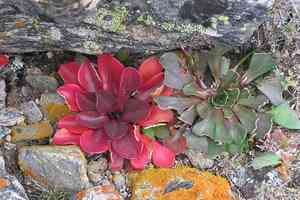
Alpine springbeauty (Claytonia megarhiza)
Also known as: Alpine Springbeauty, Bigroot Spring Beauty
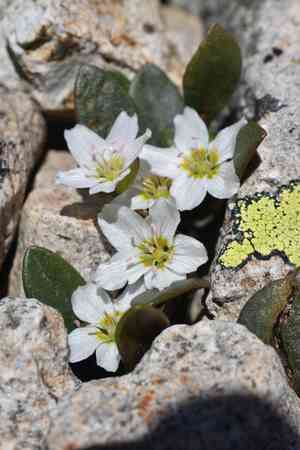
Alpine springbeauty (Claytonia megarhiza) thrives in rocky subalpine and alpine terrains. Young leaves start off red, maturing to green over time. This perennial herb blooms in early summer, showcasing small pink or white flowers that attract numerous pollinators. Additionally, it possesses the ability to self-seed, allowing reproduction without relying solely on pollinators.
In This Article
Attributes of Alpine springbeauty
Lifespan
Perennial
Plant Type
Herb
Plant Height
5-15 cm
Spread
N/A
Leaf Color
Green
Flower Size
0.5-1 cm
Flower Color
Pink, White
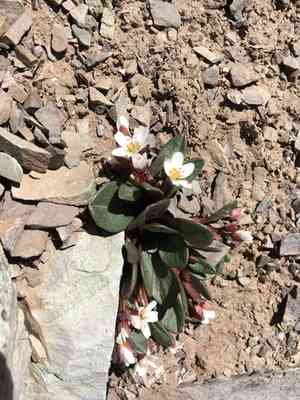
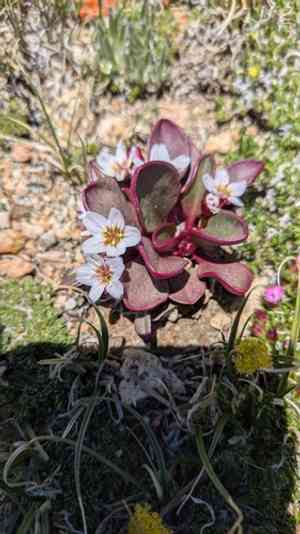
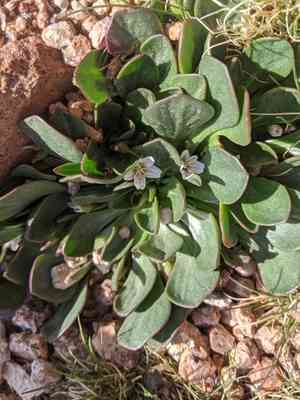
Images of Alpine springbeauty
Quickly Identify Alpine springbeauty
1
This plant can be identified by its thick, fleshy roots, short stems, and clusters of small, pink or white flowers. The leaves are basal, forming a rosette, and are fleshy and succulent.
Scientific Classification of Alpine springbeauty
Phylum
Vascular plants
Class
Dicotyledons
Order
Caryophyllales
Family
Pussypaw
Genus
Spring beauty
Species
Alpine springbeauty
Planting and Growing of Alpine springbeauty
Care Difficulty
Moderate
Watering Schedule
Every 2 days
Sunlight Requirements
Partial sun
Sunshine Duration
4-8 hours
Ideal Temperature
50-65℉
Soil Type
Potting Mix, Peat Mix
Soil pH
6.5-7.5
Fertilizer Type
Balanced
Pruning Season
Spring, Summer
Pruning Area
Branches, Leaves
Pruning Frequency
2 times a year
Repotting Season
Spring
Pot Type
Plastic, Ceramic
 How to Water Alpine springbeauty?
Claytonia megarhiza excels in well-drained soil, longing for water that mimics its alpine habitat. You should water about 150 milliliters each time, ensuring the soil feels moist but not soggy, mimicking the gentle melt of snow it naturally thrives in.
What are the symptoms of an underwatered Alpine springbeauty?
›
What should I do if my Alpine springbeauty is not getting enough water?
›
What are the symptoms of an overwatered Alpine springbeauty?
›
How to save an overwatered Alpine springbeauty?
›
 What Are the Sunlight Requirements for Alpine springbeauty?
Partial sun or dappled light is ideal for Claytonia megarhiza, as it balances its need for light and protection from excessive heat. This ensures strong growth, rich green foliage, and overall resilience.
How much sunlight does Claytonia megarhiza need?
›
What are the solutions for ideal lighting conditions?
›
What benefits arise from Claytonia megarhiza receiving ideal light?
›
 What Is the Ideal Temperature Range for Alpine springbeauty?
Claytonia megarhiza thrives best in temperatures ranging from 50 to 65°F. This range ensures that the plant can carry out its physiological processes efficiently, promoting healthy growth and vibrant foliage. Maintaining temperatures within this band helps replicate the plant's native alpine environment.
 What Soil is Best for Alpine springbeauty?
Claytonia megarhiza thrives in well-drained soil, which prevents water stagnation. This is crucial as excess water can cause root rot, providing a healthy environment for root development. The plant benefits significantly from nutrient-rich soil that supplies essential minerals. This promotes vigorous growth and blooming, ensuring the plant remains robust throughout its growth cycle. Claytonia megarhiza prefers soil that retains some moisture without becoming waterlogged. Proper moisture levels bolster the plant's ability to absorb nutrients efficiently, supporting balanced growth.
 How to Fertilize Alpine springbeauty?
Claytonia megarhiza thrives best with minimal fertilization. It prefers a diluted liquid fertilizer applied sparingly. Use a fertilizer with a low nitrogen content to avoid stimulating excessive leaf growth. Ideally, apply no more than 1/4 strength of the recommended dose for a small houseplant, ensuring the natural alpine growth habit is respected.
 How to Prune Alpine springbeauty?
Claytonia megarhiza is slow-growing, so excessive pruning can stress the plant. Limit cuts to damaged or diseased sections to ensure it remains vigorous. It is crucial to disinfect pruning tools before and after use to prevent disease spread. Use a diluted bleach solution or rubbing alcohol for effective sterilization.
More About Pruning Techniques→
 How to Propagate Alpine springbeauty plant?
1
Fill the seed tray with potting mix and spread the Claytonia megarhiza seeds evenly on the surface. Lightly press them into the soil without covering them completely, as they require light for germination.
2
Gently water the seeds using a fine mist sprayer. Ensure the soil remains moist but not waterlogged, as excessive water can lead to fungal diseases and rot.
3
Place the seed tray in a location with indirect sunlight. If natural light is insufficient, consider using a grow light to supplement, ensuring seeds receive adequate light for successful germination.
 How to Repot Alpine springbeauty plant?
1
Repot Claytonia megarhiza when its roots outgrow the container or when its growth noticeably slows. Early spring, just as new growth begins, is an ideal time. Signs such as roots protruding from the pot's drainage holes or soil that dries out too quickly indicate it's time for repotting.
2
Select a pot that is slightly larger than the current one, with ample drainage holes. A pot that breathes, such as a clay pot, is ideal because it helps prevent waterlogging by allowing moisture to evaporate through its walls, promoting healthier root growth.
3
Use a well-draining gritty mix with organic matter to replicate its natural alpine conditions. This soil mix prevents root rot by allowing excess water to flow through freely, while still retaining enough moisture to support the plant's needs. A cactus or succulent soil mix can be a good alternative.



