How to Prune Camphor tree?
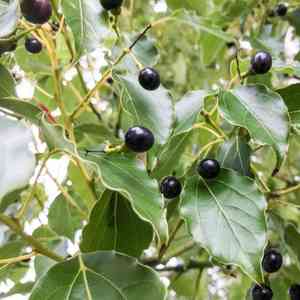
Originating from East Asia, the camphor tree is recognized for its fragrant foliage and timber, attaining elevations of up to 30 meters. Trim the camphor tree while it is dormant in winter to preserve its form, eliminate deceased branches, and improve airflow. Reducing the density of the crown fosters robust development and deters ailments. Precise timing is essential to prevent sap leakage, which could draw in insects. Making precise cuts will lessen the strain on the camphor tree, facilitating a strong recuperation and abundant leaves.
What Are the Benefits of Pruning Camphor Tree?
What Are the Benefits of Pruning Camphor Tree?
Trimming camphor tree promotes robust development and maintains an appealing form, ensuring the plant stays healthy and visually pleasing. Regular cutting can prevent excessive size and enhance air circulation within its foliage.
What Is the Best Time for Pruning Camphor Tree?
What Is the Best Time for Pruning Camphor Tree?
The optimal period for pruning camphor tree is from late winter to early spring, as the plant is typically in a dormant state. Pruning during dormancy minimizes stress on the plant since it's not actively growing, thereby reducing the risk of shock from significant cuts. Furthermore, the absence of leaves at this time offers better visibility for identifying and making precise cuts to improve the plant's structure and health. This timing also helps prevent the spread of diseases, as many pathogens are less active in colder weather. Pruning before the spring growth spurt allows camphor tree's wounds to heal quickly, ensuring the tree's resources are directed towards new growth and recovery.
What Tools Do I Need to Prune Camphor Tree?
Hand Pruners
Perfect for making clean cuts on smaller branches (up to ¾ inches in diameter) of camphor tree, essential for shaping and removing dead or diseased wood.
Loppers
Necessary for cutting thicker branches (up to 2 inches in diameter) of camphor tree, providing increased leverage and reach within the canopy.
Pruning Saws
Utilized for branches exceeding 2 inches in diameter. A saw with coarse teeth is most suitable for camphor tree's harder wood.
Pole Pruners
Enables the gardener to access higher branches of camphor tree without a ladder, promoting safety and convenience.
Hedge Shears
Suitable for trimming and shaping the outer foliage of camphor tree when a formal hedge appearance is desired.
Chainsaw
Effective for removing large limbs or performing significant size reduction of camphor tree, always with caution and appropriate protective gear.
How to Prune Camphor Tree
Step1: Optimal Pruning Timing
Determine the best time for pruning camphor tree, which is late winter or early spring before new growth starts. This timing reduces stress on the tree and lowers the risk of disease.
Step2: Tool Sterilization
Sanitize all pruning tools using a solution of 1 part bleach to 9 parts water to prevent disease transmission. Tools should include hand pruners, loppers, and a pruning saw for larger branches.
Step3: Damaged Wood Removal
Inspect camphor tree for damaged wood, including dead, dying, or broken branches. Make clean cuts at a 45-degree angle just above a bud or branching point to encourage healthy new growth.
Step4: Yellow Leaf Trimming
Remove yellow leaves by cutting at the base of each leaf stem using hand pruners. Yellow leaves can indicate health issues; removing them can improve the tree's overall vigor and appearance.
Step5: Branch Decongestion
Address crowded branches by identifying those that cross, rub against each other, or grow inward towards the center of camphor tree. Removing such branches increases air circulation and light penetration, essential for the tree's health.
Step6: Thinning Method Application
For crowded branches, employ the 'thinning' method, cutting them at their point of origin or back to a lateral branch. This method maintains the tree's natural shape and encourages growth.
Step7: Canopy Structure Balancing
Focus on creating a balanced and open structure, which may involve reducing the density of the canopy. Aim to evenly space main branches around the central trunk.
Step8: Height and Spread Reduction
If you need to reduce the height or spread of camphor tree, perform 'reduction' cuts. Cut branches back to a lateral branch that is at least one-third the diameter of the limb being removed.
Step9: Debris Clean-Up
After pruning, clear all debris from the ground to prevent fungal diseases or pest problems. Dispose of or compost the trimmings properly.
Step10: Post-Pruning Monitoring
Monitor camphor tree after pruning for signs of new growth and health. Water the tree deeply and consider applying mulch to conserve moisture and provide nutrients.
Post-Pruning Care for Camphor Tree
Post-Pruning Care for Camphor Tree
Immediately after pruning camphor tree, water the soil to help alleviate stress. Maintain a balance of sunlight and shade to promote healing, avoiding excessive direct light. Ensure ambient humidity and temperatures support camphor tree's recovery; not too cold or dry. Apply a balanced, slow-release fertilizer to replenish nutrients. Regularly inspect the cuts for signs of infection or pest activity. If disease or stress symptoms appear, promptly apply appropriate treatments. Support camphor tree's robust growth with consistent, monitored care.
Common Pruning Mistakes with Camphor Tree
Over-aggressive pruning harms plant growth
Pruning too aggressively, which can stress camphor tree and lead to poor growth or susceptibility to diseases.
Dull or dirty tools damage plant branches
Using dull or unclean tools, which can damage the branches and create jagged cuts that are vulnerable to pests and diseases.
Removal of central leader affects plant structure
Removing the central leader, which can alter the natural growth habit of camphor tree and negatively impact its structural integrity.
Improper cuts near trunk risk decay
Making cuts too close to the trunk, which can harm the collar, slow the healing process, and increase the risk of decay.
Common Pruning Tips for Camphor Tree
Sharp tools for clean cuts and better healing
Use sharp, clean pruning tools to make clean cuts that camphor tree can heal from more easily.
Prune towards desired new growth direction
Cut back to a lateral branch or bud that is facing the direction you want new growth to proceed, which will help maintain the shape and encourage a fuller appearance.
Gradual pruning over seasons prevents stress
Spread out the pruning over several seasons if a considerable amount of reduction is necessary to avoid overstressing camphor tree.
Cut beyond lateral branch to prevent stubs
When reducing the height or spread of camphor tree, ensure that cuts are made just beyond a lateral branch or bud to avoid leaving stubs that can die back and invite pests and diseases.
Thinning canopy allows light and reduces disease
For thinning the canopy, selectively remove whole branches to allow light and air to penetrate the interior of camphor tree, which will encourage healthy growth and reduce the risk of disease.
Remove problematic branches to maintain health
Prune out dead, diseased, or crossing branches promptly to maintain the health and appearance of camphor tree, focusing on maintaining its natural, tree-like form.



