How to Prune Drooping woodreed?
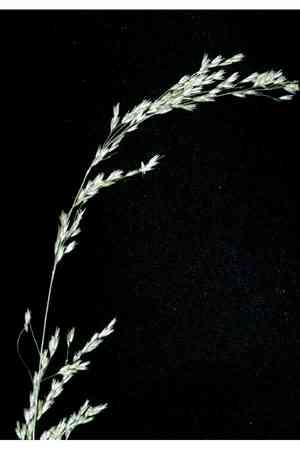
Recognized for its elegant, curving stalks, drooping woodreed flourishes with precise trimming to preserve its form and stimulate robust development. Perform pruning in early spring or during winter, prior to the emergence of new shoots. Remove aged or lifeless stems and shorten any excessively lengthy or disordered branches to foster more compact foliage. Consistent elimination of faded blooms could enhance the subsequent season's yield. Trimming additionally facilitates improved air movement, diminishing the likelihood of ailments.
What Are the Benefits of Pruning Drooping Woodreed?
What Are the Benefits of Pruning Drooping Woodreed?
Trimming drooping woodreed promotes robust development and helps maintain its structure. Eliminating old or overgrown stems rejuvenates the plant, ensuring a compact and appealing form suited to its natural environments.
What Is the Best Time for Pruning Drooping Woodreed?
What Is the Best Time for Pruning Drooping Woodreed?
Pruning drooping woodreed in early spring coincides with the end of its dormant phase, allowing for the removal of dead or damaged foliage before new growth begins. This timing stimulates strong new shoots and supports the plant's well-being. Late winter pruning is also suitable as the plant remains dormant, minimizing stress and preventing the loss of vital spring growth. Pruning during dormancy aids in better wound recovery and a stronger resurgence in the growing season.
What Tools Do I Need to Prune Drooping Woodreed?
Hand Pruners
For cutting individual grass stems and tidying up the foliage of drooping woodreed, sharp hand pruners or secateurs are ideal. They allow precise control and can make clean cuts that help prevent damage to the plant's vascular system.
Grass Shears
These are perfect for trimming grassy foliage without damaging nearby plants. Grass shears provide the ability to shape the tufts of drooping woodreed, ensuring an even appearance and removal of any uneven or damaged leaves.
Long-Handled Loppers
If drooping woodreed has thicker, tougher stems or is mature and has dense foliage, long-handled loppers can be used for pruning without having to bend over, making the task easier on the gardener's back.
How to Prune Drooping Woodreed
Clean tools
Sanitize pruning tools using a bleach solution or rubbing alcohol to prevent disease spread to drooping woodreed.
Inspect plant
Examine drooping woodreed closely to find diseased or withered leaves that need removal.
Cut diseased leaves
Carefully cut off diseased leaves at their base where they meet the stem, ensuring not to harm healthy tissue of drooping woodreed.
Remove withered leaves
Trim withered leaves by snipping them at the base, similar to diseased leaves, to encourage healthy growth in drooping woodreed.
Dispose trimmed parts
Collect and discard all trimmed parts, including diseased and withered leaves, away from drooping woodreed to prevent reinfection or decay near the plant.
Common Pruning Mistakes with Drooping Woodreed
Over pruning
Removing too much foliage at once can stress drooping woodreed, hindering its ability to photosynthesize and grow properly.
Improper cut placement
Incorrectly placing cuts too close or too far from the parent stem can result in damage or poor healing of drooping woodreed.
Using dull tools
Pruning with dull tools can cause jagged cuts that make drooping woodreed more susceptible to disease and pests.
Neglecting sanitation
Failing to sanitize pruning tools can spread diseases between plants, especially if drooping woodreed has any known diseases.
Leaving stubs
Leaving long stubs after making cuts can lead to dieback and disease entry points on drooping woodreed.
Pruning for shape alone
Focusing solely on the shape of drooping woodreed without considering its natural growth pattern and health can result in unsightly and unhealthy plants.
Ignoring dead material
Not removing dead or diseased material from drooping woodreed can compromise its health by attracting pests and fostering disease spread.
Common Pruning Tips for Drooping Woodreed
Sharp clean tools
Use sharp, clean pruners or shears to ensure clean cuts that heal quickly, reducing stress and disease risk for drooping woodreed.
Cut angle
Make angled cuts just above leaf nodes or branches to encourage proper water runoff and a focused direction of new growth for drooping woodreed.
Thin out center
Carefully thin out the center of drooping woodreed to improve air circulation and light penetration, which supports its health and vigor.
Remove damaged material
Promptly remove any dead, damaged, or diseased stems to maintain drooping woodreed's overall health and prevent the spread of disease.
Consider growth pattern
Understand and respect drooping woodreed's natural growth habit when pruning to maintain its organic structure and to encourage its natural beauty.
Light touch
A lighter touch can be beneficial; prune only as much as needed to promote the health and desired form of drooping woodreed.
Aftercare
Provide drooping woodreed with appropriate aftercare following pruning, which could include water, mulch, or fertilizer, to support its recovery and growth.



