
Drooping woodreed (Cinna latifolia)
Also known as: Broad-leaved cinna
The drooping woodreed is a cool-season grass commonly found in moist forests. It emits a sweet fragrance, and when its woody stems are burned, the resulting smoke effectively repels mosquitoes. This grass thrives in wet habitats and serves as a natural insect repellent.
In This Article
Attributes of Drooping woodreed
Lifespan
Perennial
Plant Type
Grass
Plant Height
61 cm to 1.8 m
Spread
Not applicable
Leaf Color
Bluish-green
Flower Size
1 cm
Flower Color
White Yellow Green Brown
Images of Drooping woodreed
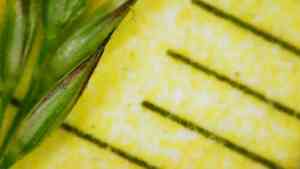
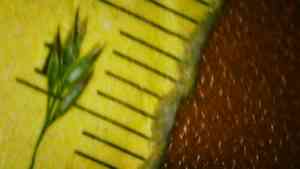
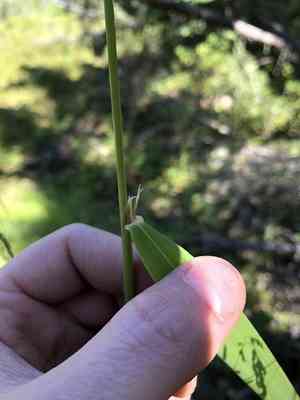
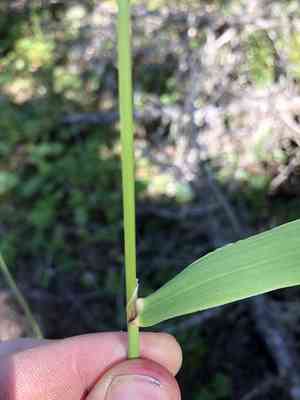
Quickly Identify Drooping woodreed
1
Cinna latifolia can be identified by its broad, flat leaves and loose, open flower panicles. The plant tends to grow in clumps and has a distinctive bluish-green tint.
Scientific Classification of Drooping woodreed
Phylum
Vascular plants
Class
Monocotyledons
Order
Poales
Family
Grass
Genus
Woodreeds
Species
Drooping woodreed
Planting and Growing of Drooping woodreed
Care Difficulty
Moderate
Watering Schedule
Every 3 days
Sunlight Requirements
Partial sun
Sunshine Duration
4-8 hours
Ideal Temperature
60-75℉
Soil Type
Potting Mix, Peat Mix
Soil pH
6.5-7.5
Fertilizer Type
Balanced
Pruning Season
Spring, Summer
Pruning Area
Branches, Leaves
Pruning Frequency
2 times a year
Repotting Season
Spring
Pot Type
Plastic, Ceramic
 How to Water Drooping woodreed?
For Cinna latifolia, ensure that the water infiltrates the soil uniformly. Aim for the moisture levels to reach a depth of about 2 inches or more, consistently providing around 500 ml of water each time. This volume should create a moist habitat that mimics its natural environment without waterlogging the roots.
What are the symptoms of an underwatered Drooping woodreed?
›
What should I do if my Drooping woodreed is not getting enough water?
›
What are the symptoms of an overwatered Drooping woodreed?
›
How to save an overwatered Drooping woodreed?
›
 What Are the Sunlight Requirements for Drooping woodreed?
Cinna latifolia thrives in partial sun or full shade environments. These conditions help maintain consistent growth patterns and support healthy leaf color and formation.
More About Sunlight Requirements Techniques→
What is the best location for Cinna latifolia?
›
How can you ensure Cinna latifolia gets adequate light indoors?
›
What is the impact of achieving ideal light conditions on Cinna latifolia?
›
 What Is the Ideal Temperature Range for Drooping woodreed?
For optimal growth, Cinna latifolia thrives best at temperatures ranging from 60°F to 75°F. This range allows the plant to photosynthesize efficiently, ensuring healthy growth and development. Maintaining consistent temperatures within this range helps prevent stress and supports proper metabolic processes.
 What Soil is Best for Drooping woodreed?
Cinna latifolia thrives in well-drained soil, which prevents waterlogging. This condition is crucial to avoid root rot and fungal diseases, allowing the plant to absorb nutrients efficiently and promoting robust growth. A nutrient-rich soil composition ensures that Cinna latifolia receives ample supply of essential minerals and organic matter. This encourages lush foliage and enhances the plant's resilience against pests and diseases. While good drainage is vital, the soil should also retain enough moisture to keep Cinna latifolia adequately hydrated. Consistent moisture levels support the plant's metabolic functions and improve its vitality.
 How to Fertilize Drooping woodreed?
Cinna latifolia typically thrives with a balanced fertilizer. For liquid fertilizers, use a diluted solution with a ratio of 1:20, ensuring that the plant receives gentle nourishment without risking nutrient burn. Each application should not exceed 100 ml to avoid over-saturating the soil. For slow-release fertilizers, use approximately 50 grams per application to provide sustained nutrients without overwhelming the plant.
 How to Prune Drooping woodreed?
Begin by assessing the overall structure of Cinna latifolia. Identify any dead, diseased, or damaged stems, and plan where to make cuts to enhance the plant's growth and shape. This initial assessment helps ensure that you target the right areas for pruning. Using sharp, clean shears, cut back any dead or diseased stems to the base. Make clean cuts to avoid damaging the plant further. Removing these parts allows the grass to focus its energy on new, healthy growth and prevents the spread of disease. Thin out sections where the grass appears crowded by removing some of the stems at ground level. This enhances light penetration and air circulation, which is crucial for the health of Cinna latifolia. Balance is key—keep the plant bushy yet not suffocated. Prune the remaining stems to create a harmonious and aesthetically pleasing shape. Aim for a balanced appearance, allowing the plant to retain its natural form. Regular shaping keeps the grass elegant and orderly, making it a standout in gardens.
More About Pruning Techniques→
 How to Propagate Drooping woodreed plant?
1
Plant seeds in a well-drained seedling tray filled with a high-quality seed-starting mix. Lightly cover them with soil and keep the tray in a warm, sunny location.
2
Ensure that the soil remains moist by regularly watering without waterlogging it. Use a plastic cover to maintain humidity around the seedlings, which aids in their initial growth.
3
Once seedlings have grown several true leaves and are robust enough, transplant them to a larger pot or directly into the garden, ensuring enough space for root expansion.
 How to Repot Drooping woodreed plant?
1
Cinna latifolia should be repotted when you notice roots poking out from the drainage holes or when the plant's growth seems stunted. Additionally, if the soil is compacted and water is not penetrating well, it might be time to repot.
2
Select a pot that is just one size larger than the current one, which helps in managing moisture levels. Ensure it has adequate drainage holes to avoid waterlogging, which can lead to root rot and other issues.
3
Opt for a well-drained loamy soil mix. This type of soil helps in retaining just the right amount of moisture while providing necessary aeration to the roots, promoting better growth and plant health.
Learn More About Drooping woodreed Diseases
Anthracnose
Bacterial Leaf Spot
Bacterial Soft Rot
Bacterial Wilt
Black Spot
Chemical Injury
Cyst Nematode
Damping-off
Downy Mildew
Drought Stress
Fusarium Wilt
Gray Mold
Leaf Spot
Mosaic
Nutrient Deficiency
Nutrient Toxicity
Powdery Mildew
Root Rot
Root-knot Nematode
Rusts
Sooty Mold
Spider Mites
Temperature Stress
Thrips Damage
White Mold



