How to Prune Caimitillo?
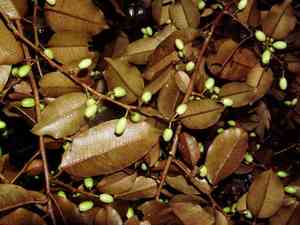
This perennial tree is distinguished by its lustrous foliage and palatable produce. Trim caimitillo during the latter part of winter or early spring to sculpt its form and eliminate any lifeless or ailing limbs. Direct your cuts toward improving air circulation throughout the crown to deter infestations and illnesses. Consistent trimming fosters more robust development and increased fruit production. Always employ sanitized, keen implements to prevent harm to the specimen.
What Are the Benefits of Pruning Caimitillo?
What Are the Benefits of Pruning Caimitillo?
Caimitillo benefits from trimming as it encourages robust development and maintains its form. Pruning aids in managing its size and structure, preventing overly dense foliage that can harbor pests. Ensuring good airflow reduces disease occurrences, while boosting flowering and fruiting.
What Is the Best Time for Pruning Caimitillo?
What Is the Best Time for Pruning Caimitillo?
Trimming caimitillo during early spring or late winter is optimal as it aligns with the plant's dormant period, lessening stress and promoting vigorous growth once the active season commences. These periods also allow for the removal of dead or damaged limbs, enhancing overall plant health and ensuring better air circulation and light penetration. Furthermore, pruning at these times minimizes the risk of interfering with blooming or fruiting cycles, resulting in a healthier and more productive plant.
What Tools Do I Need to Prune Caimitillo?
Hand Pruners
Excellent for making clean cuts on smaller branches and stems. Crucial for accuracy and easy reach.
Lopping Shears
Perfect for cutting through thicker branches that hand pruners cannot manage, typically up to 2 inches in diameter.
Pruning Saw
Essential for handling larger branches and ensuring smooth cuts to prevent harm to the plant.
Pole Pruner
Helpful for reaching elevated branches without needing a ladder, ensuring safety and precise trimming.
Bypass Pruners
These are particularly effective for maintaining living branches as they create clean cuts without crushing the tissue.
How to Prune Caimitillo
Identify
Inspect caimitillo for diseased or withered leaves to target during trimming.
Prepare
Sanitize pruning shears with rubbing alcohol to prevent disease spread before cutting any part of caimitillo.
Trim diseased
Carefully trim diseased leaves from caimitillo, making clean cuts close to the stem to avoid leaving stubs.
Trim withered
Remove withered leaves by cutting them at the base to encourage healthy new growth.
Cleanup
Dispose of all trimmed leaves properly to prevent potential disease from spreading back to caimitillo.
Common Pruning Mistakes with Caimitillo
Incorrect Technique
A common error is using unsuitable tools or making improper cuts, such as tearing branches instead of cleanly severing them. This can harm the plant and expose it to illnesses.
Over-pruning
Another frequent mistake is removing too much foliage at once. Excessive pruning can stress caimitillo, reducing its ability to photosynthesize and ultimately weakening the plant.
Pruning at the Wrong Time
Even when the correct season isn't specified, misunderstanding the plant's growth cycles and pruning during inappropriate stages can lead to poor flowering and development.
Common Pruning Tips for Caimitillo
Use Sharp, Clean Tools
Always use sharp and clean pruning shears or saws to make precise cuts. This helps prevent damage to the plant and minimizes the risk of disease transmission.
Remove Dead or Diseased Branches First
Begin by cutting away dead, damaged, or diseased branches to promote healthy growth and improve air circulation within the plant.
Avoid Heavy Pruning
Refrain from pruning more than 25% of the plant's foliage at one time. This prevents undue stress and ensures that caimitillo maintains enough leaves for proper photosynthesis.
Make Cuts at the Right Angle
Make cuts just above a leaf node and at a 45-degree angle, facing away from the bud. This encourages new growth and helps the plant heal more effectively.
Disinfect Tools Between Cuts
To prevent the spread of diseases, disinfect your tools between cuts, especially when dealing with diseased branches. Use a solution of alcohol or bleach diluted with water.



