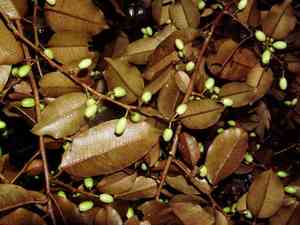
Caimitillo (Chrysophyllum mexicanum)
Also known as: Mexican star apple
The caimitillo tree prospers in tropical and subtropical regions, often found in the understory of dense forests. It enjoys warm, humid climates and well-drained soils. With its broad, shiny leaves and small, subtle flowers, the tree creates a vibrant green presence. The tree's sweet, edible berries attract wildlife, which helps in spreading its seeds.
In This Article
Attributes of Caimitillo
Lifespan
Perennial
Plant Height
15-20 meters
Spread
10-15 meters
Leaf Color
Dark green with a golden or bronze underside
Flower Size
0.5-1 centimeters
Flower Color
White to greenish
Images of Caimitillo
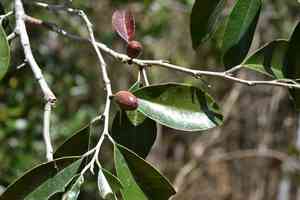
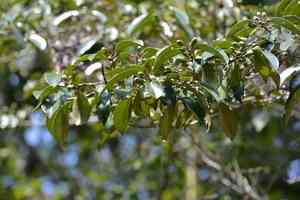
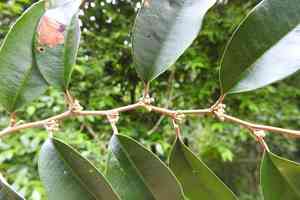
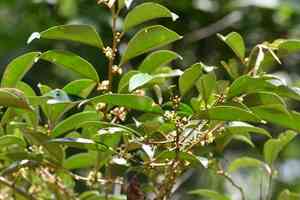
Quickly Identify Caimitillo
1
To identify Chrysophyllum mexicanum, look for its glossy, dark green leaves with a distinctive golden or bronze underside. The tree produces small, white to greenish flowers and round, golden-brown fruits.
Scientific Classification of Caimitillo
Phylum
Vascular plants
Class
Dicotyledons
Order
Ericales
Family
Sapodilla
Genus
Chrysophyllum
Species
Caimitillo
Planting and Growing of Caimitillo
Care Difficulty
Moderate
Watering Schedule
Every 3 days
Sunlight Requirements
Partial sun
Sunshine Duration
4-8 hours
Ideal Temperature
75-85℉
Soil Type
Potting Mix, Peat Mix
Soil pH
6.5-7.5
Fertilizer Type
Balanced
Pruning Season
Spring, Summer
Pruning Area
Branches, Leaves
Pruning Frequency
2 times a year
Repotting Season
Spring
Pot Type
Plastic, Ceramic
 How to Water Caimitillo?
Chrysophyllum mexicanum requires a careful balance of moisture in its soil. Each watering session should thoroughly moisten the soil without making it soggy. A typical guideline is to water it with about 500 milliliters to ensure adequate hydration without drowning the roots.
What are the symptoms of an underwatered Caimitillo?
›
What should I do if my Caimitillo is not getting enough water?
›
What are the symptoms of an overwatered Caimitillo?
›
How to save an overwatered Caimitillo?
›
 What Are the Sunlight Requirements for Caimitillo?
Partial to full sun exposure ensures Chrysophyllum mexicanum receives ample energy for photosynthesis, favoring vigorous growth and a robust structure. Ideal lighting encourages deeper root anchorage and lush leaf production, critical for the plant's aesthetic and functional appeal.
Question: What is the ideal lighting condition for Chrysophyllum mexicanum?
›
Solution: How do you ensure the ideal lighting is achieved?
›
Effects: What are the benefits of ideal lighting for this plant?
›
 What Is the Ideal Temperature Range for Caimitillo?
The ideal temperature range ensures optimal growth for Chrysophyllum mexicanum. This tropical plant thrives in warm conditions, making a range of 75°F to 85°F ideal. Such temperatures facilitate proper physiological functions like photosynthesis and nutrient uptake.
 What Soil is Best for Caimitillo?
Chrysophyllum mexicanum thrives in well-draining soil, which prevents water from pooling around the roots, reducing the risk of root rot. This type of soil ensures that the roots receive ample oxygen, promoting healthy growth and robust plant development. For optimal growth, nutrient-rich soil is critical. It provides essential minerals and trace elements that support the plant's metabolic activities and development, leading to vigorous foliage and a bountiful display of flowers or fruit. The ability of soil to retain moisture while still ensuring proper drainage is vital. It ensures the plant always has access to water when needed, supporting continuous growth and sustained health, even in slightly drier conditions.
 How to Fertilize Caimitillo?
For Chrysophyllum mexicanum, ensure not to over-fertilize; the recommended amount is to use a balanced liquid fertilizer at half-strength. Typically, 20-20-20 or 10-10-10 NPK ratios suffice, and this should provide sufficient nutrients without overwhelming the plant's roots or promoting excess leaf growth at the expense of flowers or fruit.
 How to Prune Caimitillo?
First, identify dead, damaged, or diseased branches and remove them. Look for crossing branches and thin them out to enhance air circulation. Prune the canopy to allow sunlight penetration, which is crucial for fruit development in Chrysophyllum mexicanum. Make clean cuts just outside the branch collar without leaving stubs. For larger branches, use the three-cut method: make a notch on the underside of the branch, then a deeper cut from the top, and finish by cutting the stub carefully. This prevents bark tearing.
More About Pruning Techniques→
 How to Propagate Caimitillo plant?
1
Start by soaking the seeds in warm water for 24 hours to help soften the seed coat and improve germination rates. After soaking, plant them in a seed tray filled with a well-draining potting mix about 1 cm deep.
2
Select a healthy, non-flowering shoot about 10-15 cm long. Make a clean cut just below a node and remove the lower leaves to expose the nodes for rooting. Dip the cut end in rooting hormone for better root development.
3
Insert the prepared cutting into a pot with well-drained potting mix deep enough so it stands upright. Ensure the leaves do not touch the soil to minimize the risk of rot.
 How to Repot Caimitillo plant?
1
Look for signs like roots growing out of the drainage holes or the plant being root-bound, causing wilting despite good watering practices. These are your cues to find the potting gear.
2
Choose a pot that is 2-3 inches larger in diameter than the current one. This gives the roots ample space to grow without drowning the plant in excessive soil, which reduces the risk of waterlogging.
3
Opt for a well-draining loamy mix rich in organic matter. This soil type supports healthy root development while ensuring excess water doesn't accumulate, which is crucial for avoiding root rot.
Learn More About Caimitillo Diseases
Anthracnose
Bacterial Leaf Spot
Bacterial Soft Rot
Bacterial Wilt
Black Spot
Chemical Injury
Crown Gall
Damping-off
Downy Mildew
Drought Stress
Fusarium Wilt
Gray Mold
Leaf Spot
Mosaic
Nutrient Deficiency
Nutrient Toxicity
Powdery Mildew
Root Rot
Root-knot Nematode
Rusts
Sooty Mold
Spider Mites
Temperature Stress
Thrips Damage
White Mold



