How to Prune Soft hornwort?
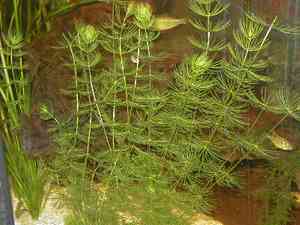
A vigorous aquatic plant, soft hornwort flourishes without a root system, simplifying its maintenance. Cut back elongated stems to manage its dimensions or eliminate discolored foliage to promote well-being. The ideal period for trimming is in spring or summer when the plant is actively developing, as this improves water conditions and light penetration. This practice also fosters denser growth and prevents shading of plants situated beneath it. Employ sterile, sharp shears for all cuts, safeguarding the plant's form and facilitating rapid recuperation.
Advantages of Trimming Soft Hornwort
Advantages of Trimming Soft Hornwort
Trimming soft hornwort promotes more robust development and preserves its form, ensuring the plant stays vibrant and visually appealing in aquatic settings.
Optimal Time for Trimming Soft Hornwort
Optimal Time for Trimming Soft Hornwort
Trimming soft hornwort during Spring and Early Summer coincides with its active growth period, facilitating rapid recovery and new foliage emergence. Pruning in Spring, as water temperatures begin to rise, encourages denser growth and maintains the desired shape or thickness. Early Summer trimming manages any excessive growth from the spring surge, fostering a healthy aquatic ecosystem balance. These seasons avoid the plant's dormant phase in colder months when pruning could stress the plant and impede strong regrowth. Trimming during these ideal times also reduces the likelihood of soft hornwort overshadowing other aquatic species and helps control its spread.
Required Tools for Trimming Soft Hornwort
Aquarium Scissors
These are specifically designed for precise cuts underwater, crucial for soft hornwort due to its submerged habitat. Aquatic plants like soft hornwort often have delicate stems, and using sharp, curved aquarium scissors ensures clean cuts without disrupting the aquatic environment.
Aquatic Plant Tweezers
Long tweezers are useful for reaching into the tank and gently removing any unwanted sections of soft hornwort. They provide the necessary reach and control for careful trimming without accidentally uprooting the plant or causing stress to the aquatic habitat.
Aquarium Maintenance Tools Kit
A complete kit often includes both scissors and tweezers along with other useful tools. Having a prepared kit is beneficial for consistent and proper maintenance of plants like soft hornwort. Having all necessary equipment in one place allows for a quick and efficient trimming process.
How to Trim Soft Hornwort
Remove diseased parts
Carefully inspect soft hornwort and remove any leaves or stems showing signs of illness. Use clean, sharp scissors or pruning shears to make a clean cut without tearing the plant's delicate tissues.
Trim withered leaves
Cut off any withered or dead leaves from soft hornwort by snipping at the base of the affected foliage. Ensure you do not disturb or damage the healthy parts of the plant during this process.
Prune diseased stems
Identify and remove diseased stems of soft hornwort by cutting them back to a healthy area, ensuring you do not spread any disease to unaffected parts. Dispose of diseased material away from healthy plants to prevent reinfection.
Avoid over pruning
Avoid excessive trimming of soft hornwort. Since it is a submersed plant, any extensive removal might stress the plant unnecessarily. Focus mainly on the removal of the specified undesirable parts.
Clean up
After trimming, clean up any debris from the aquarium or pond to maintain a healthy environment for soft hornwort. This helps prevent any rotting organic material from affecting water quality.
Common Trimming Errors with Soft Hornwort
Over-pruning
Removing too much of soft hornwort's growth can stress the plant, leading to poor health and growth.
Incorrect Cuts
Making jagged or torn cuts can harm soft hornwort, inviting disease and pest infestations.
Disregarding Plant Health
Soft hornwort should only be pruned when it's healthy. Pruning a stressed plant can further diminish its vigor.
Pruning Without Cleaning Tools
Not sterilizing tools before pruning soft hornwort can spread pathogens, affecting this and other aquatic plants.
Pruning Healthy Growth
Indiscriminately cutting healthy segments of soft hornwort, which are important for nutrient uptake and growth, can weaken the plant.
Common Trimming Tips for Soft Hornwort
Selective Pruning
Carefully select overgrown or dead segments of soft hornwort to prune, maintaining the plant's overall health.
Use Sharp Tools
Always use sharp and clean cutting instruments to ensure clean cuts that heal quickly.
Stimulating Growth
When pruning soft hornwort, cut close to a node to encourage new, healthy growth.
Maintaining Balance
Prune soft hornwort to maintain an appropriate density, ensuring light and nutrients reach all parts of the plant.
Aftercare
After pruning soft hornwort, monitor its condition, and adjust feeding and care as needed to support recovery and new growth.



