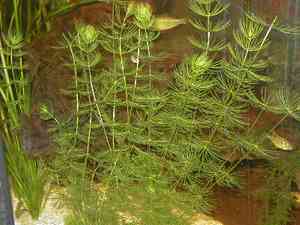
Soft hornwort (Ceratophyllum submersum)
Also known as: Soft Hornwort
Soft hornwort is a perennial herb with a stem length typically between 25 and 60 centimeters. The leaves are arranged along the stem and are finely green, forked two to four times. Unlike the rough hornwort, it has only a few small, barely noticeable teeth on the leaves, usually around 5 to 8. This plant typically flowers in the summer.
In This Article
Attributes of Soft hornwort
Lifespan
Perennial
Plant Type
Herb
Plant Height
0.5 to 1.5 feet
Spread
Not applicable
Leaf Color
Green
Flower Size
Tiny, less than 1 cm
Flower Color
White or pale green
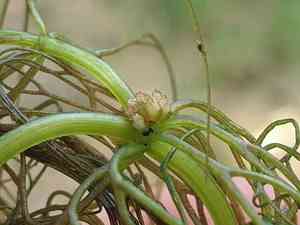
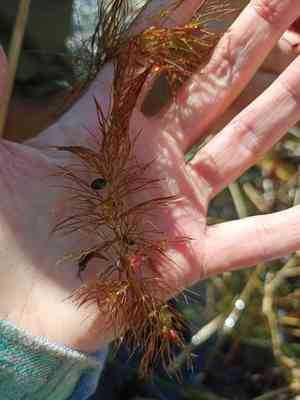
Images of Soft hornwort


Quickly Identify Soft hornwort
1
Ceratophyllum submersum can be identified by its finely divided, soft, and thread-like leaves. Unlike some other aquatic plants, it does not have roots but the leaves form whorls around the stem.
Scientific Classification of Soft hornwort
Phylum
Vascular plants
Class
Dicotyledons
Order
Ceratophyllales
Family
Hornworts
Genus
Coontails
Species
Soft hornwort
Planting and Growing of Soft hornwort
Care Difficulty
Easy
Watering Schedule
Every 8 days
Sunlight Requirements
Partial sun
Sunshine Duration
6-10 hours
Ideal Temperature
68-77℉
Soil Type
Potting Mix, Peat Mix
Soil pH
6.5-7.5
Fertilizer Type
Balanced
Pruning Season
Spring, Summer
Pruning Area
Branches, Leaves
Pruning Frequency
2 times a year
Repotting Season
Spring
Pot Type
Plastic, Terracotta
 How to Water Soft hornwort?
Ceratophyllum submersum, commonly known as the soft hornwort, thrives in aquatic environments where it can absorb water continuously. However, in aquarium settings, providing around 500 milliliters of water per session ensures it remains sufficiently hydrated. The plant enjoys a saturated environment, so ensuring the water reaches its roots while allowing for aeration is crucial for its health.
What are the symptoms of an underwatered Soft hornwort?
›
What should I do if my Soft hornwort is not getting enough water?
›
What are the symptoms of an overwatered Soft hornwort?
›
How to save an overwatered Soft hornwort?
›
 What Are the Sunlight Requirements for Soft hornwort?
Ceratophyllum submersum grows best in partial sun conditions. Providing this ideal lighting encourages vibrant growth, maximizes photosynthetic efficiency, and supports a balanced aquatic ecosystem by promoting healthy plant functions.
How much light does Ceratophyllum submersum need?
›
Why is partial sunlight ideal for Ceratophyllum submersum?
›
What are the benefits of providing ideal lighting conditions?
›
 What Is the Ideal Temperature Range for Soft hornwort?
Ceratophyllum submersum thrives best in temperatures ranging between 68°F and 77°F. This temperature range supports optimal growth and physiological functions of the plant, ensuring it remains healthy and vibrant. Maintaining this range also helps to prevent any stress factors that can affect its aquatic ecosystem. Keeping tabs on water temperature is crucial in achieving this balance.
 What Soil is Best for Soft hornwort?
Ceratophyllum submersum thrives in well-draining soil which ensures that water does not remain stagnant around the roots. This is crucial for its health as it prevents root rot, promoting robust growth and vibrant foliage. This plant benefits from nutrient-rich substrates which provide essential minerals and nutrients required for its lush, verdant appearance. A fertile soil base results in rapid growth and increased resilience against diseases. While drainage is important, maintaining consistent moisture levels is also essential. Ceratophyllum submersum appreciates a balance, ensuring it gets enough water to sustain its aquatic nature without inducing stress.
 How to Fertilize Soft hornwort?
Ceratophyllum submersum, commonly known as a hornwort, is a free-floating aquatic plant that requires minimal fertilization. Use liquid fertilizer at a concentration of 1-2 ppm, ensuring you do not exceed this amount to maintain a balanced aquatic environment. Over-fertilization can disrupt the ecosystem, leading to negative effects on both plant and aquatic life.
 How to Prune Soft hornwort?
After pruning, observe changes in water quality as organic debris can lead to spikes in nutrients, encouraging algae growth. Consider using a net to capture floating fragments. When pruning in aquariums or ponds, be mindful of resident wildlife. Sudden movements or disturbances can stress fish and other aquatic creatures, so work gently and efficiently.
More About Pruning Techniques→
 How to Propagate Soft hornwort plant?
1
Choose a healthy stem with multiple leaf nodes. Cut the stem just below a leaf node using sharp scissors. Ensure you take a piece that is at least a few inches long to allow sufficient area for rooting.
2
Remove the lower leaves to prevent decay when submerged in water. Leaving some leaves at the top will help maintain photosynthesis, while keeping the rest of the stem clear to develop roots.
3
Immediately place the prepared cutting in a clean water container. Ensure the lower part of the cutting is submerged while leaves remain above the surface. Change the water regularly to prevent stagnation.
 How to Repot Soft hornwort plant?
1
Ceratophyllum submersum generally thrives in the water, making repotting unnecessary unless there is a significant overgrowth or water quality issue. Look for signs like crowded plant clusters or a decline in plant health. The best time to consider repotting is during the spring when the plant's natural growth cycle begins.
2
Since this is an aquatic plant, conventional pots aren't used. Instead, consider a shallow mesh basket that allows water flow while containing the plant's roots. This will support healthy growth and help maintain cleanliness in your aquarium or pond.
3
Ceratophyllum submersum doesn’t require traditional soil. A substrate of sand or fine gravel is ideal, as it doesn't impede water flow and encourages the plant to take nutrients directly from the water. This ensures a cleaner and healthier aquatic environment.



