How to Prune Common mouse-ear chickweed?
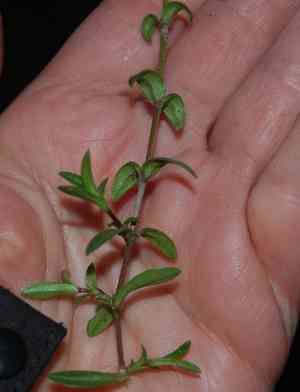
This ground-hugging perennial, known for its spreading growth and white, star-like blossoms, greatly benefits from appropriate trimming. For common mouse-ear chickweed, carefully eliminate any withered or compromised leaves to preserve the plant's vitality and aesthetic. Perform pruning in the spring to stimulate robust development and once more in the summer to curb excessive proliferation. Effective trimming also assists in managing its expansion within cultivated areas and lessens the potential for invasive tendencies. All pruning activities should be carried out using sanitized, sharp implements to reduce strain on the plant.
What Are the Benefits of Pruning Common Mouse-ear Chickweed?
What Are the Benefits of Pruning Common Mouse-ear Chickweed?
Trimming common mouse-ear chickweed promotes more vigorous development by reallocating energy to new growth, and helps maintain the plant's shape for visual appeal and garden consistency.
What Is the Best Time for Pruning Common Mouse-ear Chickweed?
What Is the Best Time for Pruning Common Mouse-ear Chickweed?
Pruning common mouse-ear chickweed in spring, specifically before new growth emerges, allows for the removal of old or damaged leaves without affecting its bloom. Early summer trimming helps maintain its form, control size, and prevent the potential spread of plant diseases, which warmer, wetter conditions could accelerate. These seasons encourage rapid healing of pruning wounds and minimal stress on common mouse-ear chickweed, fostering healthier development and abundant flowering in its subsequent growth phases.
What Tools Do I Need to Prune Common Mouse-ear Chickweed?
Handheld Pruning Shears
Perfect for making precise cuts and shaping common mouse-ear chickweed, handheld pruning shears enable gardeners to carefully remove unwanted growth without harming the rest of the plant.
Gardening Scissors
These are suitable for snipping off small, delicate sections of common mouse-ear chickweed. Gardening scissors can be used to precisely trim smaller stems and leaves.
Garden Gloves
Though not a cutting tool, gloves offer protection for the gardenerâs hands from potential irritation when handling common mouse-ear chickweed, as it may possess fine hairs that can cause skin irritation.
Garden Waste Bags
To collect and dispose of the pruned material from common mouse-ear chickweed, garden waste bags are essential. This helps keep the garden tidy and prevents the spread of any potential pathogens.
How to Prune Common Mouse-ear Chickweed
Sanitize tools
Before beginning, sterilize your pruning shears with isopropyl alcohol to prevent the spread of disease to common mouse-ear chickweed.
Remove diseased leaves
Carefully inspect common mouse-ear chickweed and cut away any leaves showing signs of disease, using your shears to make clean cuts without tearing.
Trim withered leaves
Identify and remove withered or dead leaves from common mouse-ear chickweed to encourage healthier growth and improve air circulation around the plant.
Cut diseased stems
Prune back any diseased stems on common mouse-ear chickweed, cutting them down to the plant's base to encourage new, healthy stem growth.
Dispose
Dispose of all removed material from common mouse-ear chickweed far from your garden to prevent disease from spreading to other plants.
Common Pruning Mistakes with Common Mouse-ear Chickweed
Over-pruning
Removing too much foliage, which can stress common mouse-ear chickweed and limit its ability to photosynthesize and thrive.
Blunt tools
Using dull blades can cause jagged cuts that can harm common mouse-ear chickweed, making it more susceptible to diseases and pests.
Improper cuts
Making cuts too far from a node or growth point can lead to dead stubs, while cutting too close can damage buds and impede regrowth.
Ignoring health
Failing to remove dead or diseased material, which can lead to the spread of infection in common mouse-ear chickweed.
Neglecting shape
Cutting without considering the natural form of common mouse-ear chickweed, which can lead to an unattractive appearance and improper growth.
Common Pruning Tips for Common Mouse-ear Chickweed
Sharp tools
Always use sharp, clean pruning shears or scissors to make clean cuts that will heal quickly and minimize stress to common mouse-ear chickweed.
Directional pruning
Prune above a leaf node, directing new growth outward to maintain an open form and promote good air circulation for common mouse-ear chickweed.
Moderation
Prune sparingly to maintain the health and aesthetic form of common mouse-ear chickweed, while avoiding the removal of too much foliage at once.
Health maintenance
Regularly remove any dead, damaged, or diseased foliage to keep common mouse-ear chickweed healthy and to prevent potential spread to other parts of the plant.
Growth encouragement
Cut back leggy stems to promote bushier growth, allowing common mouse-ear chickweed to become fuller and more robust.



