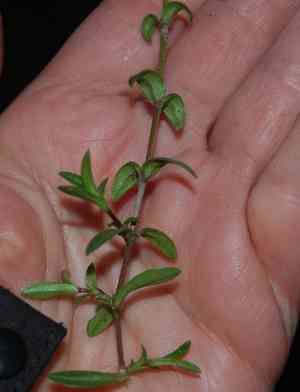
Common mouse-ear chickweed (Cerastium holosteoides)
Also known as: Mouseear chickweed
Common mouse-ear chickweed (Cerastium fontanum) is a perennial herb known for its low-growing, mat-forming nature. Its hairy stems and small, oval leaves help reduce water loss and deter herbivores. This plant features small, white flowers with five petals that typically bloom in the spring, attracting various pollinators. Adapted to survive in cold climates and disturbed areas, it flourishes in grassy environments, often signaling less compacted soil. Additionally, its sticky, silvery seeds easily cling to animals and humans, facilitating effective seed dispersal across different areas.
In This Article
Attributes of Common mouse-ear chickweed
Lifespan
Biennial, Perennial
Plant Type
Herb
Plant Height
20 cm
Spread
Spreading habit, can cover a few square meters
Leaf Color
Green
Flower Size
1-1.5 cm
Flower Color
White
Images of Common mouse-ear chickweed
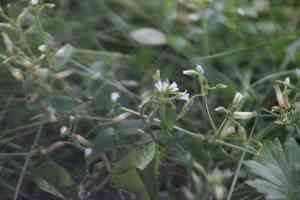
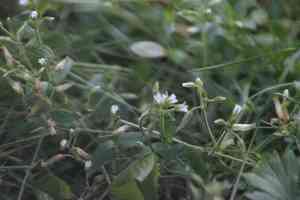
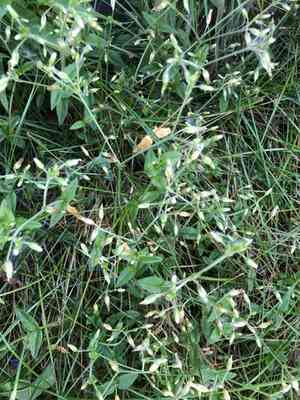
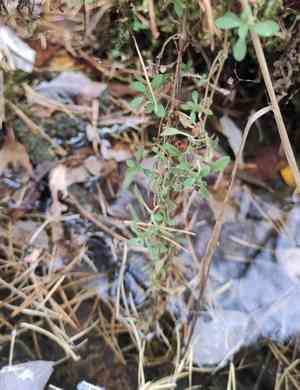
Quickly Identify Common mouse-ear chickweed
1
Star-like white flowers with deeply notched petals, each measuring 0.2 inches (5 mm) in length.
2
Dark green ovate leaves with opposite arrangement, about 0.8 to 1.2 inches (2 to 3 cm) long, covered in soft hairs.
3
Compact plant reaching 1 foot (30 cm) in height and width, bushy growth habit.
4
Slender stems with dense, soft hairs, ranging from light to deep green, about 0.1 to 0.2 inches (2.5 to 5 mm) thick.
5
Rapid growth, hardy nature, and ability to thrive in cooler temperatures.
Scientific Classification of Common mouse-ear chickweed
Phylum
Vascular plants
Class
Dicotyledons
Order
Caryophyllales
Family
Pink
Genus
Mouse-ear chickweed
Species
Common mouse-ear chickweed
Planting and Growing of Common mouse-ear chickweed
Care Difficulty
Easy
Watering Schedule
Every 2 days
Sunlight Requirements
Partial sun
Sunshine Duration
6-12 hours
Ideal Temperature
60-70℉
Soil Type
Potting Mix, Peat Mix
Soil pH
6.5-7.5
Fertilizer Type
Balanced
Pruning Season
Spring, Summer
Pruning Area
Branches, Leaves
Pruning Frequency
2 times a year
Repotting Season
Spring
Pot Type
Plastic, Ceramic
 How to Water Common mouse-ear chickweed?
Ensure that the soil is evenly moist but not waterlogged. Water about 250 ml each time until water visibly drains from the bottom of the container. This ensures the roots are adequately hydrated without drowning.
What are the symptoms of an underwatered Common mouse-ear chickweed?
›
What should I do if my Common mouse-ear chickweed is not getting enough water?
›
What are the symptoms of an overwatered Common mouse-ear chickweed?
›
How to save an overwatered Common mouse-ear chickweed?
›
 What Are the Sunlight Requirements for Common mouse-ear chickweed?
Partial sun to full sun is ideal, providing at least 4 hours of light. This balance ensures healthy foliage, sturdy stems, and vibrant blooms, supporting robust growth and resilience.
What type of sunlight does Cerastium holosteoides prefer?
›
How can I ensure Cerastium holosteoides receives its ideal lighting?
›
Why is ensuring ideal light important for Cerastium holosteoides?
›
 What Is the Ideal Temperature Range for Common mouse-ear chickweed?
For optimal growth, Cerastium holosteoides thrives best in a temperate environment where the temperature is consistently between 60 to 70 degrees Fahrenheit. This temperature promotes healthy photosynthesis and ensures that the plant can grow robustly with a full set of foliage. Question: Why is 60-70 degrees Fahrenheit ideal? Answer: This range provides the ample warmth needed but prevents the overheating that could cause stress to the plant.
 What Soil is Best for Common mouse-ear chickweed?
Cerastium holosteoides thrives best in well-draining soil which prevents waterlogging. This is crucial for its roots to breathe and prevents root rot, fostering healthier growth. The plant prefers soil with moderate nutrient content to support its growth. Excessive nutrients could lead to foliage overgrowth rather than blossoming. Adding organic matter, such as compost, benefits the soil structure and nutrient availability, enhancing the plant's overall vitality and resilience against diseases.
 How to Fertilize Common mouse-ear chickweed?
For Cerastium holosteoides, a balanced fertilizer with an N-P-K ratio of 10-10-10 is recommended. Use about one teaspoon of liquid fertilizer per gallon of water for monthly feedings. For slow-release options, one-time applications should be moderate, about one tablespoon per square foot.
 How to Prune Common mouse-ear chickweed?
Start by cutting back any unruly or overly long stems to maintain a compact shape. Trim around the edges to define the plant’s silhouette and remove spent blooms to promote new flowering cycles. Thin out denser areas by selectively removing some stems at the base. This will ensure air circulation within the plant, reducing the chances of mold and encouraging uniform growth throughout the plant.
More About Pruning Techniques→
 How to Propagate Common mouse-ear chickweed plant?
1
Begin by filling your seedling trays with a quality seed-starting mix. Sprinkle the seeds of Cerastium holosteoides over the surface and lightly cover them with a thin layer of the mix. Keep the soil consistently moist to aid germination, which typically takes 1-2 weeks.
2
Select healthy, non-flowering stems and cut a 4-6 inch section using sterilized pruners. Remove the lower leaves and plant the cutting in a pot filled with well-draining soil. Water lightly, maintaining soil moisture without oversaturation.
3
Divide established plants in early spring for best results. Carefully dig up the plant, ensuring roots are undamaged. Separate the clump into smaller sections, each with roots and shoots, and replant immediately at the same depth they were growing.
 How to Repot Common mouse-ear chickweed plant?
1
You should consider repotting Cerastium holosteoides when you notice roots emerging from the drainage holes or when the plant shows signs of stunted growth despite adequate care. These indications suggest the plant has outgrown its current pot and requires more space to continue thriving.
2
Choose a pot that is one size larger than the current one, with ample drainage holes. A slightly wider pot than deep is ideal as it encourages balanced root growth and prevents waterlogging, which is crucial for the plant's health and vigor.
3
Opt for a well-draining potting mix to prevent root rot. This mix should contain components such as perlite or sand, which enhance aeration and drainage, allowing roots to breathe and reducing the risk of overwatering damage.
Learn More About Common mouse-ear chickweed Diseases
Anthracnose
Bacterial Leaf Spot
Bacterial Soft Rot
Chemical Injury
Damping-off
Downy Mildew
Drought Stress
Fusarium Wilt
Gray Mold
Leaf Spot
Mosaic
Nutrient Deficiency
Nutrient Toxicity
Powdery Mildew
Root Rot
Root-knot Nematode
Rusts
Sooty Mold
Spider Mites
Temperature Stress
Thrips Damage
White Mold



