How to Prune Common centaury?
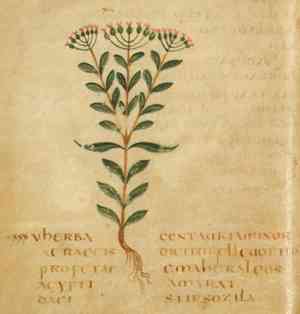
A diminutive, vivid wild plant possessing therapeutic qualities, common centaury thrives with limited trimming to foster development and extend its flowering phase. Swiftly remove spent blossoms during the recommended pruning seasons of spring and summer to incite a subsequent bloom. Severing the upper third of elongated stems improves the plant's form and vitality. This targeted pruning strengthens the plant's capacity for self-propagation while preserving its dense look and contributes to its general well-being and hardiness.
What Are the Benefits of Pruning Common Centaury?
What Are the Benefits of Pruning Common Centaury?
Trimming common centaury encourages robust development and helps maintain its desired form. Strategic cuts improve plant vitality and can lead to a more sturdy and organized appearance, ensuring common centaury flourishes.
What Is the Best Time for Pruning Common Centaury?
What Is the Best Time for Pruning Common Centaury?
The recommended periods of late spring and early summer align with common centaury's post-flowering stage. During this time, the plant has typically finished blooming, allowing for the removal of spent blossoms and any excess growth without impacting the flowering cycle. Pruning in these seasons can stimulate new growth and help sustain plant vigor. Additionally, pruning after bloom ensures that the plant's energy is redirected towards the development of healthy foliage and root systems, establishing a strong foundation for the subsequent growing season. These seasons also offer favorable weather conditions, with less risk of frost damage post-pruning as the plant enters its active growth phase. Timely pruning in late spring and early summer helps to enhance common centaury's overall health, shape, and prepares it for dormancy later in the year.
What Tools Do I Need to Prune Common Centaury?
Hand Pruners
Perfect for precise cuts to remove dead or overgrown stems, suitable for common centaury's slender herbaceous nature.
Gardening Scissors
Useful for trimming delicate leaves and flowers of common centaury without harming the plant.
How to Prune Common Centaury
Sanitize
Before you begin trimming common centaury, disinfect your pruning tools with isopropyl alcohol or a 10% bleach solution to prevent disease transmission.
Identify
Examine common centaury closely, pinpointing any diseased or withered leaves and unhealthy stems that need removal.
Remove leaves
Trim diseased and withered leaves of common centaury at their bases, using clean and precise cuts to avoid damaging the healthy parts of the plant.
Cut stems
For diseased stems on common centaury, cut at the base, or back to a main stem that appears healthy, ensuring a clean cut to promote better healing.
Dispose
After trimming common centaury, properly discard the diseased and withered material to prevent reinfection or spread of disease.
Common Pruning Mistakes with Common Centaury
Overpruning
Removing too much foliage which can stress common centaury and potentially lead to poor growth or reduced flowering.
Cutting too close
Making cuts too near the main stem or bud, which might hinder the plant's natural healing process and expose it to diseases.
Using dull tools
Pruning with dull or dirty tools can create jagged cuts that are more susceptible to infection and can harm common centaury.'s delicate stems.
Disregarding plant shape
Not considering the natural growth pattern of common centaury when pruning, which may result in a less aesthetically pleasing plant.
Ignoring dead material
Failing to regularly remove dead or dying material, which can impede common centaury.'s growth and encourage disease.
Common Pruning Tips for Common Centaury
Sharp tools
Ensure using clean, sharp pruning shears or scissors to make clean cuts which help common centaury heal faster and reduce the chance of disease.
Angled cuts
Make angled cuts on stems, which will facilitate water runoff and prevent rot and disease in common centaury.
Pruning for shape
Prune to maintain the desired shape and size of common centaury, considering its natural habit for the most aesthetically pleasing results.
Thinning
Thin out overcrowded areas to increase air circulation and light penetration, which is vital for common centaury's overall health and flowering.
Health checks
Regularly inspect common centaury for signs of disease or pests, and prune out infected areas promptly to prevent spreading.



