
Common centaury (Centaurium erythraea)
Also known as: Centaury
The Common Stork's-bill (Erodium cicutarium) is a simple-to-grow wildflower native to Europe. This low-growing plant features pinkish flowers with five petals and vibrant yellow stamens.
In This Article
Attributes of Common centaury
Lifespan
Biennial, Annual
Plant Type
Herb
Plant Height
50 cm
Spread
20 cm
Leaf Color
Green
Flower Size
1 cm
Flower Color
Pink White Purple Red
Images of Common centaury
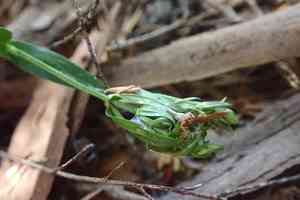
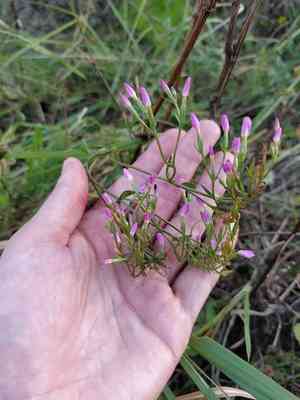
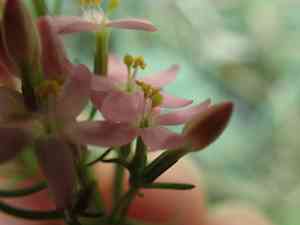
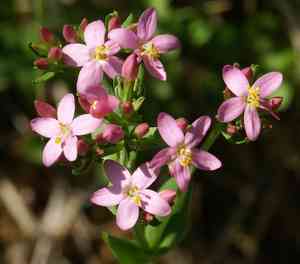
Quickly Identify Common centaury
1
Centaurium erythraea can be identified by its erect, branched stems and clusters of small, pinkish to purple star-shaped flowers. The leaves are opposite, lanceolate to oblong, and the plant typically grows to a height of 10-50 cm.
Scientific Classification of Common centaury
Phylum
Vascular plants
Class
Dicotyledons
Order
Gentianales
Family
Gentian
Genus
Centaury
Species
Common centaury
Planting and Growing of Common centaury
Care Difficulty
Easy
Watering Schedule
Every 2 days
Sunlight Requirements
Full sun
Sunshine Duration
6-10 hours
Ideal Temperature
60-75℉
Soil Type
Potting Mix, Peat Mix
Soil pH
5.5-7.5
Fertilizer Type
Balanced
Pruning Season
Spring, Summer
Pruning Area
Branches, Leaves
Pruning Frequency
2 times a year
Repotting Season
Spring
Pot Type
Plastic, Terracotta
 How to Water Common centaury?
The Centaurium erythraea should be watered deeply until water drains from the bottom of the pot. Aim for about 250 ml, or when the top 1-2 inches of soil feel dry to the touch. This helps ensure that the roots receive adequate moisture without becoming waterlogged.
What are the symptoms of an underwatered Common centaury?
›
What should I do if my Common centaury is not getting enough water?
›
What are the symptoms of an overwatered Common centaury?
›
How to save an overwatered Common centaury?
›
 What Are the Sunlight Requirements for Common centaury?
Ideal light range includes full to partial sun, translating to at least 4 to 6 hours of sun exposure. This allows for optimal photosynthesis, ensuring healthy growth and vibrant flowering, which are essential for a visually appealing plant.
More About Sunlight Requirements Techniques→
What is the ideal lighting condition?
›
How to achieve ideal lighting for Centaurium erythraea?
›
What are the benefits of ideal lighting?
›
 What Is the Ideal Temperature Range for Common centaury?
The ideal temperature range for growing Centaurium erythraea is from 60°F to 75°F. Within this range, the plants thrive as the conditions are optimal for both germination and growth. Maintaining this temperature range ensures the plant can access the right amount of energy for photosynthesis, leading to healthy development and vibrant blooms.
 What Soil is Best for Common centaury?
Centaurium erythraea thrives in well-drained soils that prevent waterlogging. Proper drainage ensures roots receive optimal oxygen, minimizing root rot risks and promoting vigorous plant growth. This plant benefits from soil enriched with nutrients, which supports its vibrant flowering. Nutrient-rich environments enhance the plant's health and boost its resilience against diseases. While Centaurium erythraea prefers moisture, it requires moderately damp soils without excessive wetness. This balance supports sustained growth and vibrant foliage.
 How to Fertilize Common centaury?
Centaurium erythraea benefits from a balanced fertilization approach. A liquid fertilizer diluted to half-strength is ideal, typically applying around 500 ml per plant during the growing season. This ensures steady growth and vibrant blooms.
 How to Prune Common centaury?
When pruning Centaurium erythraea, focus on removing any dead or yellowing leaves to promote healthy growth. Use scissors or pruning shears to trim away these parts, aiming for a clean cut close to the stem. Make sure to also cut back any elongated stems that seem out of place to maintain a compact shape. To encourage bushier growth, pinch back the tips of the younger stems. This technique helps the plant to develop more branches, resulting in a lush appearance. Be gentle when pinching or cutting to avoid damaging the plant's delicate structure.
More About Pruning Techniques→
 How to Propagate Common centaury plant?
1
Begin by filling the seed tray with fine potting soil. Ensure the soil is moistened to provide an ideal environment for germination. Avoid waterlogging to prevent seed rot.
2
Scatter Centaurium erythraea seeds evenly across the soil surface and cover lightly with a thin layer of soil. Firm the soil gently to ensure good contact and water lightly.
3
Place the seed tray in a warm and bright location, ideally around 20°C. Ensure the soil remains moist by misting it occasionally. Germination typically occurs within 2-3 weeks.
 How to Repot Common centaury plant?
1
The signs that Centaurium erythraea needs repotting include roots growing out of the drainage holes, soil that dries out too quickly, or a noticeable stunted growth. It's best to act during its dormancy in the earlier parts of spring or as it prepares to rest in the autumn.
2
Select a pot that's about one size larger than the current one, with sufficient drainage at the bottom. This ensures enough growing space for the roots and prevents waterlogging. Clay pots are highly recommended as they allow excess moisture to evaporate, promoting a healthy root system.
3
Opt for a soil mix that retains moisture but also drains well, balancing organic compost with materials like perlite or sand. This combination ensures that your plant has the necessary nutrients while preventing root rot from water retention.
Learn More About Common centaury Diseases
Anthracnose
Bacterial Leaf Spot
Bacterial Soft Rot
Bacterial Wilt
Crown Gall
Cyst Nematode
Damping-off
Downy Mildew
Drought Stress
Fusarium Wilt
Gray Mold
Leaf Spot
Mosaic
Nutrient Deficiency
Nutrient Toxicity
Powdery Mildew
Root Rot
Root-knot Nematode
Rusts
Sooty Mold
Spider Mites
Temperature Stress
Thrips Damage
White Mold
Chemical Injury



