How to Prune Whitethorn ceanothus?
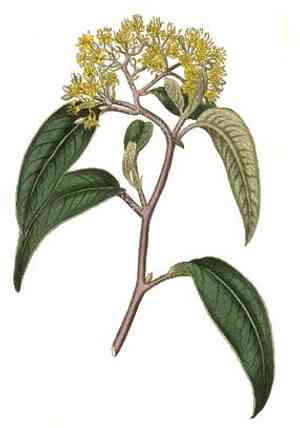
A robust, perennial bush featuring bunches of azure blossoms, whitethorn ceanothus flourishes with infrequent trimming to preserve its form and eliminate deceased branches. The optimal period for this task is winter, when the plant is inactive. Gentle shaping promotes a denser appearance, whereas significant cuts stimulate revitalizing development. Refrain from severe pruning, as whitethorn ceanothus might not recover effectively. Advantages of pruning encompass improved air circulation, diminished susceptibility to ailments, and regulated expansion for visual appeal in the garden.
Advantages of Trimming Whitethorn Ceanothus
Advantages of Trimming Whitethorn Ceanothus
Trimming whitethorn ceanothus promotes robust development and maintains its compact structure. Cutting back helps revitalize plant vigor and form, fostering a lush, dense habit.
Optimal Period for Pruning Whitethorn Ceanothus
Optimal Period for Pruning Whitethorn Ceanothus
Pruning whitethorn ceanothus in late winter to early spring, just prior to the start of the new growth cycle, is ideal. This timing ensures the plant's energy is directed towards healing pruned areas and generating new growth. It also aids in disease prevention, as fresh cuts are less susceptible to infections prevalent in wetter, warmer seasons. Furthermore, trimming before the plant blooms allows gardeners to enjoy the full floral display without removing developing buds. Seasonal pruning during this window aligns with the plant's natural dormant phase and encourages vigorous growth and flowering in the subsequent season.
Required Tools for Pruning Whitethorn Ceanothus
Hand Pruners
Perfect for making clean cuts on whitethorn ceanothus's smaller stems and branches up to 1/2 inch in diameter. Bypass pruners are recommended for precise cuts that aid in the plant's healthy recovery.
Lopping Shears
Excellent for cutting through larger branches of whitethorn ceanothus up to 1 1/2 inches thick. Their extended handles offer superior leverage, crucial for whitethorn ceanothus's stronger, thicker growth.
Pruning Saw
Essential for removing any whitethorn ceanothus branches exceeding 1 1/2 inches in thickness. The saw's teeth are designed to cut on the pull stroke, reducing effort and minimizing damage to the rest of the plant.
Method for Pruning Whitethorn Ceanothus
Clean tools
Before pruning whitethorn ceanothus, ensure all pruning implements such as shears, loppers, and saws are clean and sharp to prevent disease transmission and to achieve precise cuts.
Remove withered leaves
Carefully isolate and trim back whitethorn ceanothus's withered leaves. Use bypass pruners, making cuts at the base of each leaf stem to preserve the plant's appearance and health.
Eliminate dead branches
Identify and remove dead branches from whitethorn ceanothus by cutting them back to their origin point or to the main stem. Ensure cuts are clean and slightly angled to prevent water accumulation on the cut surface.
Prune diseased branches
If whitethorn ceanothus has diseased branches, cut them well below the affected area to stop further disease spread. Dispose of diseased material away from healthy plants.
Maintain shape
After removing withered leaves, dead, and diseased branches, lightly shape the remaining branches of whitethorn ceanothus if needed. Aim to preserve a natural growth habit and avoid excessive cutting to prevent plant stress.
Common Pruning Errors with Whitethorn Ceanothus
Overpruning
Removing too much growth at once can stress whitethorn ceanothus, impeding its natural form and recovery.
Improper Cuts
Making cuts too close to the main stem or leaving large stubs can lead to diseases and poor regrowth.
Shearing
Whitethorn ceanothus naturally has a mounding shape; shearing it into unnatural forms can reduce its flowering and resilience.
Neglecting Tool Hygiene
Using dirty tools can introduce pathogens to whitethorn ceanothus, causing infections at the cut sites.
Ignoring Plant Age
Not considering the age of whitethorn ceanothus can lead to excessive pruning of young plants, which may not yet be established enough to handle aggressive cuts.
Pruning Uniformly
Treating all branches the same ignores individual growth patterns and health, potentially removing healthy growth or leaving weak stems.
General Pruning Advice for Whitethorn Ceanothus
Selective Pruning
Focus on selectively thinning out overcrowded areas to improve air circulation and light penetration, which promotes healthy growth.
Cutting Technique
Make clean cuts at a 45-degree angle just above outward-facing buds to encourage outward growth and prevent water accumulation.
Rejuvenation
If whitethorn ceanothus becomes leggy or sparse, consider hard pruning of older stems to stimulate new growth, but this should be done cautiously.
Maintain Shape
Prune to maintain whitethorn ceanothus's natural habit, rather than imposing an unnatural shape, to preserve its inherent beauty and health.
After-Flowering Care
Since pruning information about timing is excluded, focus on cleaning up spent flowers to potentially encourage a second bloom, while still respecting the plant's natural cycles.
Regular Maintenance
Perform regular, light pruning to remove dead or damaged branches and to shape whitethorn ceanothus, instead of aggressive annual pruning.



