
Whitethorn ceanothus (Ceanothus cordulatus)
Also known as: Californian snowbush
Ceanothus cordulatus, also known as mountain whitethorn, thrives in the mountainous and forested regions of western North America, specifically in California, Nevada, Oregon, and parts of Baja California. This nitrogen-fixing shrub enhances soil fertility, supporting the surrounding ecosystem.
In This Article
Attributes of Whitethorn ceanothus
Lifespan
Perennial
Plant Type
Shrub
Plant Height
1.5 m
Spread
2.5 m
Leaf Color
Green
Flower Size
4 cm
Flower Color
White
Images of Whitethorn ceanothus
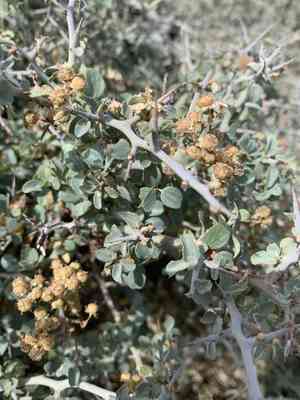
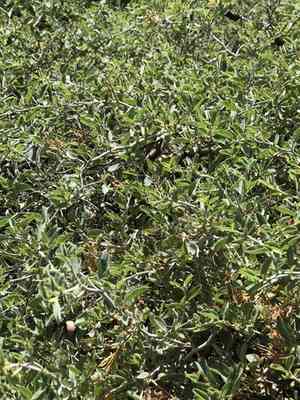
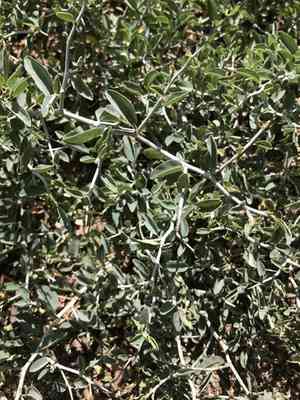

Quickly Identify Whitethorn ceanothus
1
Identify Ceanothus cordulatus by its thorny, rigid branches, and small, leathery leaves. The white flower clusters appear in late spring to early summer and are a key characteristic.
Scientific Classification of Whitethorn ceanothus
Phylum
Vascular plants
Class
Dicotyledons
Order
Rosales
Family
Buckthorn
Genus
Redroots
Species
Whitethorn ceanothus
Planting and Growing of Whitethorn ceanothus
Care Difficulty
Easy
Watering Schedule
Every 2 days
Sunlight Requirements
Full sun
Sunshine Duration
6-10 hours
Ideal Temperature
60-75℉
Soil Type
Potting Mix, Peat Mix
Soil pH
6.5-7.5
Fertilizer Type
Balanced
Pruning Season
Spring, Summer
Pruning Area
Branches, Leaves
Pruning Frequency
2 times a year
Repotting Season
Spring
Pot Type
Plastic, Ceramic
 How to Water Whitethorn ceanothus?
Ceanothus cordulatus requires about 500 milliliters of water per session. This amount ensures that the root zone is thoroughly moistened without waterlogging, allowing it to soak into the soil and reach the roots effectively. The watering quantity keeps the soil damp but not soggy, crucial for its drought-tolerant nature.
What are the symptoms of an underwatered Whitethorn ceanothus?
›
What should I do if my Whitethorn ceanothus is not getting enough water?
›
What are the symptoms of an overwatered Whitethorn ceanothus?
›
How to save an overwatered Whitethorn ceanothus?
›
 What Are the Sunlight Requirements for Whitethorn ceanothus?
Ceanothus cordulatus thrives best in full sun to partial shade conditions. Ensuring it receives sufficient sunlight fosters healthy photosynthesis, resulting in vibrant growth and increased flowering duration.
Ideal Location
›
Achieving Optimal Light
›
Benefits of Ideal Light
›
 What Is the Ideal Temperature Range for Whitethorn ceanothus?
The ideal temperature range for Ceanothus cordulatus is crucial because it ensures optimal growth and development. Maintaining temperatures between 60°F and 75°F helps the plant photosynthesize efficiently, which in turn supports healthy foliage and flowering. This range also prevents stress that could lead to reduced plant vigor.
 What Soil is Best for Whitethorn ceanothus?
Ceanothus cordulatus thrives in soils with excellent draining capabilities. This helps prevent root rot and other water-related diseases, ensuring the plant's roots receive enough oxygen, leading to better growth and health. Soils that are rich in nutrients will enhance the growth of Ceanothus cordulatus. Nutrient-dense soil provides essential minerals and elements, promoting strong and vibrant foliage and aiding in flower production. While Ceanothus cordulatus prefers not to be waterlogged, maintaining moderate moisture levels in the soil is beneficial. This ensures that the plant receives adequate hydration without the risks of overwatering.
 How to Fertilize Whitethorn ceanothus?
Ceanothus cordulatus, commonly known as snowbrush, has a relatively low demand for fertilization. When using liquid fertilizer, opt for a diluted solution at half the recommended strength. Slow-release fertilizers should be applied sparingly, as over-fertilization can harm these plants. Consider the age and size of the plant to tailor the amount, aiming for moderation to avoid nutrient burn.
 How to Prune Whitethorn ceanothus?
Start by trimming back any errant branches that disrupt the natural symmetrical shape of the Ceanothus cordulatus. Creating a consistent outline helps the shrub focus its energy on flowering and developing a denser foliage. Lightly prune new shoots to encourage branching. By cutting above a leaf node, you stimulate the plant to produce more branches from that point, leading to a fuller and bushier appearance. Carefully inspect the plant and cut back any dead, diseased, or damaged branches to promote better air circulation and prevent disease. Always use clean, sterilized pruning tools to avoid spreading pathogens.
More About Pruning Techniques→
 How to Propagate Whitethorn ceanothus plant?
1
Collect seeds from mature Ceanothus cordulatus plants in early spring. Ensure the seeds are collected from healthy plants to improve germination rates. Clean the seeds thoroughly and store them in a dry place until planting.
2
In late spring, select semi-hardwood cuttings from the parent plant. Make sure the cuttings are about 10-15 cm long and have multiple nodes. Remove the leaves from the lower part of the cutting to reduce water loss.
3
In summer, select a low-growing branch of the plant still attached to the mother plant. Bend it gently toward the ground and bury a portion of it in the soil while leaving the tip exposed. This technique encourages root formation at the buried portion.
 How to Repot Whitethorn ceanothus plant?
1
For Ceanothus cordulatus, observing root growth is key. If roots start to circle the pot or emerge from drainage holes, it signifies a repotting need. Wait for spring when the plant is naturally gearing up for new growth, as this reduces stress and boosts adaptation.
2
Opt for a container that is about 2-3 inches wider in diameter than the current one. Ensure it has adequate drainage holes to prevent waterlogging. A slightly larger pot encourages growth without overwhelming the plant, maintaining its aesthetic appeal and root health.
3
Use loamy soil rich in organic matter with excellent drainage capabilities. Such a medium supports healthy root development, prevents root rot, and provides the necessary nutrients for the plant, mimicking its natural growth conditions.



