How to Prune Sulphur indian paintbrush?
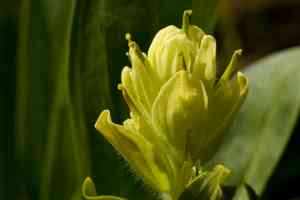
Sulphur indian paintbrush, recognized for its vibrant yellow blossoms, significantly benefits from judicious trimming. Perform pruning during the initial part of spring or the latter portion of winter to foster peak development and bloom production. Concentrate on excising withered or compromised stalks and molding the specimen to preserve its inherent structure. Trimming invigorates fresh development and can avert ailments. Refrain from excessive pruning to guarantee a well-proportioned and thriving plant. Consult local gardening directives for counsel specific to your area.
Advantages of Trimming Sulphur Indian Paintbrush
Advantages of Trimming Sulphur Indian Paintbrush
Trimming sulphur indian paintbrush encourages robust development and preserves its form. It aids in managing plant size, enhances overall look, and boosts resistance to pests and illnesses, ensuring a healthier and more appealing landscape presence.
Optimal Time for Trimming Sulphur Indian Paintbrush
Optimal Time for Trimming Sulphur Indian Paintbrush
Trimming or cutting sulphur indian paintbrush during early spring or late winter is ideal as this period aligns with the plant's dormant state. Pruning during dormancy minimizes plant stress, as it is not actively growing or blooming. This timing allows for healthy regrowth in spring and ensures the plant has a full growing season to recover and thrive. Additionally, from late winter to early spring, the risk of disease and pest infestations is lower, further supporting the plant's health and vigor.
Tools Required for Trimming Sulphur Indian Paintbrush
Hand Pruners
Best for making precise cuts on stems and small branches up to 1/2 inch in diameter. They allow for detailed work without causing significant damage to the plant.
Bypass Pruners
These are preferred for their clean cuts, which help in promoting quick healing and reducing the chance of disease entry. Ideal for soft, green stems.
Fine-Tip Pruning Shears
Useful for detailed pruning tasks and deadheading flowers, ensuring minimal disruption to the surrounding growth.
Gloves
Protect hands from potential irritation or injury while pruning. Essential for handling the plant safely.
Disinfecting Wipes
Important for cleaning tools between cuts, preventing the spread of diseases. Utilize before and after pruning different sections of the plant.
How to Trim Sulphur Indian Paintbrush
Assessment
Examine sulphur indian paintbrush carefully to identify any diseased or withered leaves that need to be removed. Focus on areas where discoloration, spots, or wilting is evident.
Preparation
Prepare sterilized pruning shears to avoid the spread of disease. Sharp and clean tools ensure precise cuts and minimize damage to healthy tissue.
Removal Diseased Leaves
Begin by removing the diseased leaves. Cut them at the base where the leaf joins the stem, ensuring that you do not damage the surrounding healthy parts. Dispose of these leaves responsibly to prevent contagion.
Removal Withered Leaves
Next, remove any withered leaves. Like with diseased leaves, cut at the base where the leaf meets the stem. Ensure clean cuts to maintain the plant's health and appearance.
Observation
After pruning, monitor sulphur indian paintbrush closely over the next few weeks for any signs of new disease or wilting. Regular checks help catch problems early and allow for timely intervention.
Common Trimming Errors with Sulphur Indian Paintbrush
Improper technique
One common mistake is using improper cutting tools or technique. Using dull or unsanitized shears can damage the plant tissue and increase the risk of disease.
Timing errors
Another frequent error is pruning at the wrong time, which might not give the plant sufficient time to recover or could interfere with its natural growth cycle.
Over-pruning
Over-pruning can weaken sulphur indian paintbrush by removing too much foliage, thus reducing its ability to photosynthesize and thrive.
Cutting too close
Cutting branches or stems too close to the base can damage important growth nodes, which are crucial for regrowth and blossoming.
General Trimming Advice for Sulphur Indian Paintbrush
Use sharp tools
Always use sharp, clean pruning shears to make clean cuts and minimize plant tissue damage.
Follow the structure
Follow the natural growth pattern of sulphur indian paintbrush. Prune lightly to maintain its shape without causing undue stress.
Remove dead growth
Focus on removing dead or diseased growth to improve the overall health of the plant.
Cut above nodes
When making cuts, ensure you do so just above a leaf node to encourage new growth and maintain a healthy structure.
Prune selectively
Prune selectively, meaning only cut what is necessary to promote air circulation and sunlight penetration, which reduces the chance of disease development.



