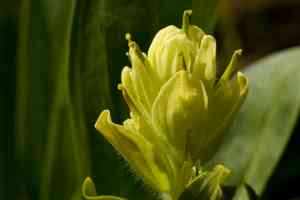
Sulphur indian paintbrush (Castilleja sulphurea)
Also known as: Sulphur Paintbrush
Sulphur Indian paintbrush is identified by its vibrant yellow to pale greenish-yellow bracts that form spiked clusters at the top of slender stems. This perennial herb flourishes in well-drained, rocky soils found in alpine and subalpine meadows. It is well-adapted to sunny and partially shaded areas, with narrow, hairy leaves that help conserve moisture in these challenging environments.
In This Article
Attributes of Sulphur indian paintbrush
Lifespan
Perennial
Plant Height
20-40 cm
Spread
N/A
Leaf Color
Green
Flower Size
1-2 cm
Flower Color
Yellow
Images of Sulphur indian paintbrush
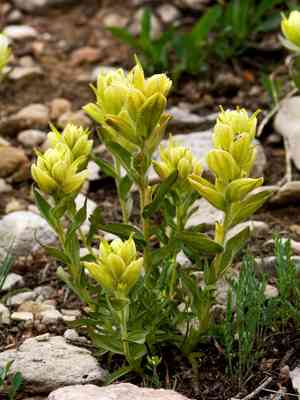
Quickly Identify Sulphur indian paintbrush
1
Castilleja sulphurea can be identified by its bright yellow bracts that resemble paintbrushes, slender stems, and narrow, lanceolate leaves. The flowers are tubular and often hidden within the colorful bracts.
Scientific Classification of Sulphur indian paintbrush
Phylum
Vascular plants
Class
Dicotyledons
Order
Lamiales
Family
Broomrape
Genus
Indian paintbrush
Species
Sulphur indian paintbrush
Planting and Growing of Sulphur indian paintbrush
Care Difficulty
Moderate
Watering Schedule
Every 2 days
Sunlight Requirements
Full sun
Sunshine Duration
4-8 hours
Ideal Temperature
60-75℉
Soil Type
Potting Mix, Peat Mix
Soil pH
6.5-7.5
Fertilizer Type
Balanced
Pruning Season
Spring, Summer
Pruning Area
Branches, Leaves
Pruning Frequency
2 times a year
Repotting Season
Spring
Pot Type
Terracotta, Plastic
 How to Water Sulphur indian paintbrush?
When watering Castilleja sulphurea, it is essential to provide enough water to moisten the root zone thoroughly. Typically, this means around 100 milliliters per session. Make sure the soil has good drainage and is damp but not soggy, to mimic its natural habitat.
What are the symptoms of an underwatered Sulphur indian paintbrush?
›
What should I do if my Sulphur indian paintbrush is not getting enough water?
›
What are the symptoms of an overwatered Sulphur indian paintbrush?
›
How to save an overwatered Sulphur indian paintbrush?
›
 What Are the Sunlight Requirements for Sulphur indian paintbrush?
For Castilleja sulphurea, ideal lighting is full or partial sun, translating to 6-8 hours of sunlight each day. This exposure aids photosynthesis, enhances bloom vibrancy, and supports overall plant health.
Solution for Ideal Lighting
›
How to Achieve Ideal Light
›
Benefits of Ideal Light
›
 What Is the Ideal Temperature Range for Sulphur indian paintbrush?
The ideal temperature range for Castilleja sulphurea is between 60°F to 75°F. Within this range, the plant thrives and shows optimal growth and health. Ensuring the temperature stays within this range will promote vigorous blooms and overall resilience to potential environmental stresses.
 What Soil is Best for Sulphur indian paintbrush?
Castilleja sulphurea thrives in well-drained soils that prevent root rot. This condition allows the roots to access oxygen efficiently, promoting healthy growth and vibrant blooms. Ensuring proper drainage mimics its native conditions, allowing this plant to thrive. This species prefers soil with moderate nutrient levels. Not overly rich but not too poor, balanced fertility supports its unique parasitic nature that allows it to tap into nearby plants for nutrients, a strategy for survival in its native habitat. It performs best in slightly acidic to neutral pH soils, between 6.5 and 7.5. This pH range aids in the availability of essential nutrients while preventing toxic mineral buildup, crucial for the health of the plant.
 How to Fertilize Sulphur indian paintbrush?
Castilleja sulphurea requires careful fertilization to thrive. Typically, apply a diluted liquid fertilizer with a ratio of 10-10-10 at half strength. Each application should not exceed 200 ml per plant to prevent nutrient overload. Adjust the amount based on soil conditions and plant health.
 How to Prune Sulphur indian paintbrush?
Begin your pruning session by identifying any dead or damaged stems and leaves. These are typically brown or discolored and should be removed to prevent disease spread and to allow the plant to allocate resources to healthier parts. Focus on shaping the plant to encourage a dense and even appearance. Trim back long, spindly growth to maintain a compact form. This not only enhances the aesthetic appeal of the plant but also promotes more vigorous flowering.
More About Pruning Techniques→
 How to Propagate Sulphur indian paintbrush plant?
1
Collect seeds from mature Castilleja sulphurea plants in the late summer or autumn when the seed capsules are dry. Be sure to collect seeds from healthy plants to ensure genetic diversity and resilience in future generations.
2
Sow seeds thinly on the surface of a well-draining seed starting mix and gently press them into the soil without covering them. Maintain moisture by misting the soil surface regularly. Light is essential for germination, so do not bury the seeds.
3
Once seedlings develop true leaves, carefully transplant them into larger pots or directly into a prepared garden bed. Handle seedlings gently to avoid damaging the roots, and acclimate them gradually to outdoor conditions to reduce transplant shock.
 How to Repot Sulphur indian paintbrush plant?
1
Repot Castilleja sulphurea when you notice the roots emerging from the drainage holes or when it's been two years since the last repotting. It's best done during spring or autumn to minimize stress on the plant. These seasons provide the ideal environmental conditions that encourage recovery and growth after the disruption of repotting.
2
Select a pot that is only slightly larger than the current one to prevent overwatering. A pot with good drainage is essential to keep the roots healthy. This ensures excess water can escape, reducing the risk of root rot while also giving the roots enough room to expand for optimal growth.
3
Opt for a well-draining sandy soil mix, as it resembles the plant's natural habitat. Such soil allows for adequate air circulation and prevents water retention, which could otherwise drown the roots. This kind of soil mix ensures that the plant receives the necessary nutrients without the risk of root diseases.
Toxicity
ingestion, skin contact
WARNING
The judgment on toxicity and danger is for reference only. We DO NOT GUARANTEE any accuracy of such judgment. Therefore, you SHALL NOT rely on such judgment. It is IMPORTANT TO SEEK PROFESSIONAL ADVICE in advance when necessary.
Learn More About Sulphur indian paintbrush Diseases
Anthracnose
Bacterial Leaf Spot
Bacterial Wilt
Chemical Injury
Crown Gall
Cyst Nematode
Damping-off
Downy Mildew
Drought Stress
Fusarium Wilt
Gray Mold
Leaf Spot
Mosaic
Nutrient Deficiency
Nutrient Toxicity
Powdery Mildew
Root Rot
Root-knot Nematode
Rusts
Sooty Mold
Spider Mites
Temperature Stress
Thrips Damage
White Mold



