How to Prune Yellow indian paintbrush?
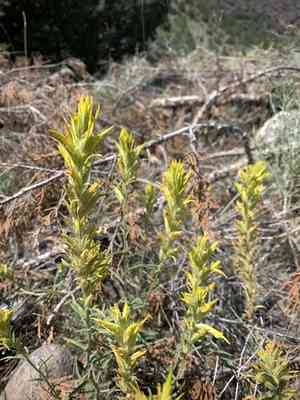
Yellow indian paintbrush displays vivid yellow blossoms and flourishes in adequately drained ground. Perform trimming in the early spring or late winter. Cut back any deceased or overly dense stalks to encourage robust development and blooming. Refrain from extensive cutting; gentle, consistent upkeep deters ailments and boosts air circulation. Revitalize the plant by removing faded flowers. This enhances the plant's vitality, guaranteeing a brilliant floral exhibition. Confirm that instruments are disinfected to avert the dissemination of diseases. These methods lead to a more robust and visually appealing plant.
Advantages of Trimming Yellow Indian Paintbrush
Advantages of Trimming Yellow Indian Paintbrush
Yellow indian paintbrush benefits from trimming by promoting vigorous growth and maintaining its form. Pruning stimulates strong new development, enhances flowering, and manages the plant's size. It also improves air circulation, reducing the risk of pests and diseases, ensuring healthier, more resilient plants.
Optimal Time for Pruning Yellow Indian Paintbrush
Optimal Time for Pruning Yellow Indian Paintbrush
Pruning yellow indian paintbrush in early spring or late winter is ideal as it coincides with the plant's dormant phase. During dormancy, the plant conserves energy, and pruning at this time minimizes stress and encourages healthy regrowth. Additionally, early spring pruning ensures new growth will emerge soon after, contributing to a prolific flowering season. These practices help maintain the plant's health, structure, and aesthetic appeal.
Tools Required for Pruning Yellow Indian Paintbrush
Bypass Pruners
Suitable for precise cuts on green, living stems without crushing them.
Pruning Shears
Ideal for cutting and shaping smaller, delicate parts of the plant.
Hand Pruners
Useful for light pruning and deadheading spent flowers to encourage new growth.
Snips
Perfect for detailed work such as trimming away dead or damaged parts without disrupting the overall plant structure.
How to Prune Yellow Indian Paintbrush
Inspection and preparation
Examine yellow indian paintbrush for any diseased or withered leaves. Prepare sterilized pruning shears to avoid transmitting plant diseases.
Remove diseased leaves
Identify leaves showing signs of disease such as spots, discoloration, or mildew. Carefully trim the diseased leaves at the base where they connect to the stem, ensuring the cut is clean to prevent further infection.
Remove withered leaves
Locate withered or dry leaves. Trim these leaves off at the base, similar to the process with diseased leaves, ensuring a neat cut without damaging the surrounding healthy foliage.
Disposal
Dispose of the removed leaves properly, placing them in a sealed bag or burning them if local guidelines allow, to prevent any spread of disease.
Disinfect tools
After pruning, disinfect your pruning shears with a solution of one part bleach to nine parts water, ensuring they are clean and ready for the next use.
Common Pruning Mistakes with Yellow Indian Paintbrush
Improper Technique
Using dull or inappropriate tools can cause ragged cuts and damage the plant, leading to potential disease. Ensuring tools are sharp and clean is essential.
Over-Pruning
Removing too many stems or leaves at once can stress yellow indian paintbrush, impeding its growth and flowering. It's crucial to prune moderately.
Incorrect Pruning Location
Cutting too close to the base or at the wrong angle can harm the plant. It's important to understand where to make precise cuts on yellow indian paintbrush.
Pruning Healthy Stems
Novices often mistake healthy stems for dead ones. Not differentiating between the two can reduce the plant's vigor.
Neglecting to Prune
Avoiding pruning altogether can cause yellow indian paintbrush to become leggy and untidy, leading to a decrease in blooms.
Common Pruning Tips for Yellow Indian Paintbrush
Use Sharp Tools
Always prune with sharp, sterilized tools to make clean cuts and prevent the spread of diseases.
Moderate Pruning
Prune with restraint, removing dead, damaged, or diseased stems only, to keep yellow indian paintbrush healthy and flourishing.
Cut at an Angle
Make cuts at a 45-degree angle just above a leaf node or bud to encourage new growth and prevent water from collecting on the cut surface.
Identify Healthy Growth
Learn to distinguish between healthy and unhealthy stems. Remove only the latter to ensure robust growth and increased flowering.
Regular Maintenance
Incorporate regular pruning into your gardening routine to keep yellow indian paintbrush looking its best and blooming prolifically. Focus on maintaining a balanced shape and removing old or crowded stems.



