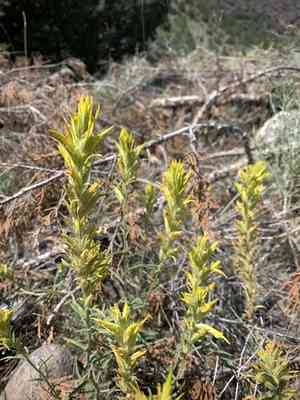
Yellow indian paintbrush (Castilleja flava)
Also known as: Yellow Paintbrush
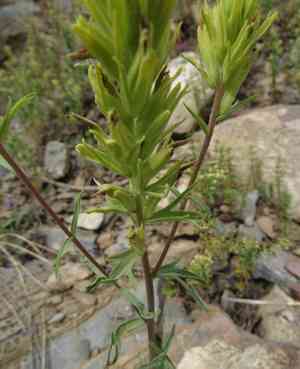
The Yellow Indian Paintbrush (Castilleja flava) is distinguished by its vivid yellow to orange bracts that envelop small, greenish flowers, creating a striking visual effect. This perennial herb flourishes in well-drained soils found in rocky outcrops and meadows. Its colorful bracts attract pollinators and blend seamlessly with the sunlit environment. Adapted to challenging terrains, this plant is a resilient and recognizable part of its native ecosystem.
In This Article
Attributes of Yellow indian paintbrush
Lifespan
Perennial
Plant Type
Herb
Plant Height
20-50 cm
Spread
N/A
Leaf Color
Green
Flower Size
1-2 cm
Flower Color
Yellow
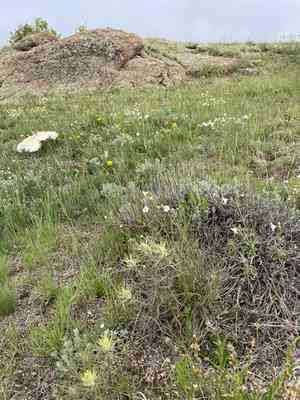
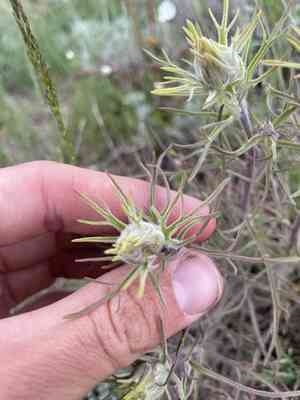
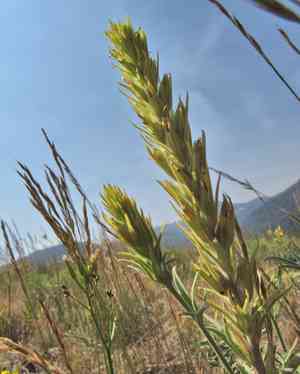
Images of Yellow indian paintbrush
Quickly Identify Yellow indian paintbrush
1
Identification of Castilleja flava includes looking for its distinctive bright yellow bracts that resemble paintbrush tips. The leaves are narrow and lance-shaped, often with a slightly hairy texture.
Scientific Classification of Yellow indian paintbrush
Phylum
Vascular plants
Class
Dicotyledons
Order
Lamiales
Family
Broomrape
Genus
Indian paintbrush
Species
Yellow indian paintbrush
Planting and Growing of Yellow indian paintbrush
Care Difficulty
Moderate
Watering Schedule
Every 2 days
Sunlight Requirements
Full sun
Sunshine Duration
6-8 hours
Ideal Temperature
59-77℉
Soil Type
Potting Mix, Peat Mix
Soil pH
6.5-7.5
Fertilizer Type
Balanced
Pruning Season
Spring, Summer
Pruning Area
Branches, Leaves
Pruning Frequency
2 times a year
Repotting Season
Spring
Pot Type
Plastic, Ceramic
 How to Water Yellow indian paintbrush?
The Castilleja flava, also known as the yellow Indian paintbrush, prefers a delicate balance when it comes to watering. It's important to ensure that the soil is moist but not waterlogged; around 250 ml per watering session does the trick. The goal is to keep the soil from drying out completely between watering, as the plant thrives with consistent moisture without being oversaturated.
What are the symptoms of an underwatered Yellow indian paintbrush?
›
What should I do if my Yellow indian paintbrush is not getting enough water?
›
What are the symptoms of an overwatered Yellow indian paintbrush?
›
How to save an overwatered Yellow indian paintbrush?
›
 What Are the Sunlight Requirements for Yellow indian paintbrush?
This plant flourishes best in areas that receive full to partial sunlight. Optimal light exposure promotes vibrant blooms and healthy foliage, enhancing both aesthetic and ecological value.
How much sunlight does Castilleja flava need?
›
What solutions help achieve ideal sunlight?
›
What are the benefits of ideal lighting?
›
 What Is the Ideal Temperature Range for Yellow indian paintbrush?
The ideal temperature range for Castilleja flava is between 59°F and 77°F. This range allows the plant to thrive, facilitating optimal growth and health. Maintaining temperatures within this range provides the necessary conditions for the plant to perform photosynthesis efficiently and to ensure it does not get stressed by temperature fluctuations.
 What Soil is Best for Yellow indian paintbrush?
Castilleja flava thrives best in well-drained soils. Sandy soil types are ideal as they allow excess water to escape easily, preventing root rot. Good drainage ensures healthy root systems, thus promoting vibrant growth and successful nutrient uptake. While Castilleja flava is relatively adaptable, richer loamy soils can offer additional nutrients that support its vivid floral display. A balanced, nutrient-rich substrate aids in its resilience against pests and diseases. Soils that retain moderate moisture levels, like sandy loam, are beneficial. Such soils ensure the plant receives consistent hydration while avoiding waterlogged conditions, which can lead to root diseases.
 How to Fertilize Yellow indian paintbrush?
For Castilleja flava, it is essential to use a balanced fertilizer. Use about a teaspoon of 10-10-10 NPK (Nitrogen, Phosphorus, and Potassium) liquid fertilizer mixed in a gallon of water per application. Ensure the solution is diluted to prevent any root damage.
 How to Prune Yellow indian paintbrush?
Begin by removing any dead or diseased stems to maintain plant health. Use sharp and clean pruning shears to make clean cuts. Focus on trimming from the tips to encourage bushier growth. Ensure not to cut too much at once; ideally, cut about one-third of the plant at any pruning session. To maintain a desirable shape, evenly trim the outer edges of the plant. This ensures a well-rounded appearance and encourages denser foliage. If the plant becomes too leggy, cut back the longest stems to bring in balance. Always step back to assess the shape as you prune.
More About Pruning Techniques→
 How to Propagate Yellow indian paintbrush plant?
1
Fill the seed tray with a well-draining potting mix appropriate for Castilleja flava, ensuring it is slightly moist but not waterlogged. Make sure the mixture is free of any pathogens that could harm seedlings.
2
Sow the seeds evenly over the surface of the potting mix. Lightly press them into the surface, ensuring they make good contact with the soil. Do not cover the seeds, as they require light to germinate.
3
Place the seed tray in a location that receives indirect sunlight, maintaining a gentle warmth of around 20°C (68°F). Use a moisture dome to keep humidity levels high and soil consistently moist.
 How to Repot Yellow indian paintbrush plant?
1
Castilleja flava signals that it's time for a new pot when its roots begin to circle the container or start to poke out of the drainage holes. Another indicator is slow growth despite optimal conditions. Aim to repot during the growing season for best results, ideally in spring or summer, to give the plant ample time to adjust to its new environment.
2
Selecting the proper pot for Castilleja flava is crucial. Opt for a pot that is one to two inches larger in diameter than the current one to allow room for growth. This provides the plant with adequate space without overwhelming it. A pot with drainage holes is essential to prevent waterlogging, which can harm the roots.
3
The ideal soil for repotting Castilleja flava is a well-draining sandy mix. This mimics its natural habitat and ensures proper drainage, preventing root rot. The addition of some organic matter can help retain slight moisture while still providing the necessary drainage, enhancing the plant's health and vitality.
Learn More About Yellow indian paintbrush Diseases
Anthracnose
Bacterial Leaf Spot
Bacterial Wilt
Crown Gall
Cyst Nematode
Damping-off
Downy Mildew
Drought Stress
Fusarium Wilt
Gray Mold
Leaf Spot
Mosaic
Nutrient Deficiency
Nutrient Toxicity
Powdery Mildew
Root Rot
Root-knot Nematode
Rusts
Sooty Mold
Spider Mites
Temperature Stress
Thrips Damage
White Mold



