How to Prune Cartrema americana?
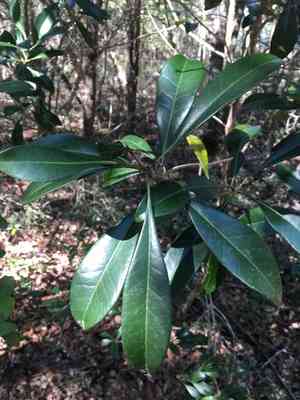
Cartrema americana, a adaptable evergreen shrub or compact tree, thrives with trimming performed in early spring or late winter. Essential methods include excising deceased or ailing branches, reducing dense sections to boost air movement, and preserving the intended form. Pruning during these periods fosters robust new development and elevates general well-being. Consistent upkeep additionally boosts blooming and fruit production, rendering cartrema americana more visually appealing and fruitful.
Advantages of Trimming Cartrema Americana
Advantages of Trimming Cartrema Americana
Trimming cartrema americana promotes vigorous development and helps maintain its desired form. It prevents congestion, encourages robust growth, and lessens problems with pests and diseases, improving the plant's overall look and vitality.
Optimal Period for Pruning Cartrema Americana
Optimal Period for Pruning Cartrema Americana
Pruning cartrema americana in late winter or early spring is ideal as it coincides with the plant's dormant phase. Trimming during dormancy minimizes plant stress, lowers disease risk, and supports healthy regrowth. Additionally, making cuts before the active growing season ensures quick wound healing, contributing to overall plant vigor. These seasons also fall after major cold risk periods, which could otherwise harm freshly pruned structures.
Required Tools for Pruning Cartrema Americana
Hand Pruners
Hand pruners are crucial for trimming small branches and stems of cartrema americana. They offer precise cuts and are easy to handle, making them perfect for detailed work.
Loppers
Loppers are essential for cutting through thicker branches of cartrema americana. Their extended handles provide leverage, simplifying the pruning of medium-sized branches without harming the plant.
Pruning Saw
A pruning saw is suitable for cartrema americana when dealing with larger branches too thick for hand pruners or loppers. Its design allows for clean, smooth cuts, preventing plant damage.
Pole Pruner
A pole pruner is useful for reaching higher branches of cartrema americana without needing a ladder. This tool ensures safety and efficiency when pruning tall plants.
Gloves
Wearing gloves is important for protecting your hands while pruning cartrema americana. They provide grip and prevent injuries from sharp tools or thorny branches.
How to Prune Cartrema Americana
Inspect
Start by thoroughly examining cartrema americana for any dead or diseased branches. These branches typically show discoloration or signs of decay or illness.
Sterilize
Sterilize all pruning tools like shears or saws to prevent disease spread. Use rubbing alcohol or a bleach solution for sterilization.
Remove dead branches
Carefully prune away all dead branches at their base or as close to the main stem as possible without harming healthy tissue.
Remove diseased branches
Cut off diseased branches by making a cut at least 6 inches below the visible signs of disease. Ensure to dispose of infected plant material away from the garden to prevent re-contamination.
Clean and inspect
After all dead and diseased branches have been removed, clean the pruning tools again and inspect cartrema americana to ensure no other problematic areas are missed.
Common Pruning Errors with Cartrema Americana
Over-pruning
Excessive pruning can stress cartrema americana and hinder its growth and flowering. Removing too much foliage at once can reduce the plant's ability to photosynthesize effectively.
Incorrect cutting technique
Using dull or unsuitable tools can result in jagged cuts that damage the plant. This can make cartrema americana vulnerable to diseases and pests.
Pruning at the wrong time
Although specific timing is addressed elsewhere, pruning at incorrect intervals during the plant's growth cycle can be detrimental, potentially disrupting blooms and overall health.
Ignoring dead or diseased branches
Failing to remove dead or diseased branches can lead to the spread of disease and pests within cartrema americana, hindering growth and vigor.
Uneven shaping
Pruning without considering the plant's natural shape can result in a misshapen or unbalanced appearance, affecting both aesthetics and health.
General Pruning Advice for Cartrema Americana
Use sharp tools
Always use sharp pruners or shears to make clean cuts. This minimizes damage and reduces stress on cartrema americana.
Focus on dead and diseased wood
Regularly inspect cartrema americana and prioritize the removal of dead or diseased branches to maintain overall plant health.
Make angled cuts
When cutting branches, make your cuts at a slight angle just above an outward-facing bud. This encourages new growth to spread outwards and promotes a healthy structure.
Prune for air circulation
Thin out dense areas of cartrema americana to improve air circulation. This reduces the risk of fungal diseases and promotes healthy growth.
Maintain natural shape
While pruning, aim to preserve the natural shape of cartrema americana. Gentle shaping helps in maintaining the plant's aesthetic and structural integrity.
Inspect regularly
Regular inspections allow for timely intervention in case of pests or diseases. Frequent pruning checks can keep cartrema americana in optimal health.



