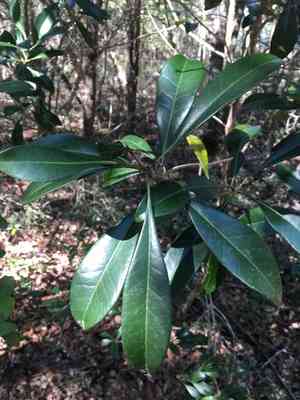
Cartrema americana (Cartrema americana)
Also known as: American Fringe-tree, Grancy Graybeard
The shrub you're looking for is the American olive (Cartrema americana). This hardy plant thrives in the understory of southeastern US forests, featuring glossy, elliptical leaves on slender, gray-barked branches. It blooms with fragrant white flowers in the spring, attracting pollinators, and later produces olive-like drupes that provide nourishment for local wildlife. Its resilience against disease ensures it remains a steadfast component of its native habitat.
In This Article
Attributes of Cartrema americana
Lifespan
Perennial
Plant Type
Tree
Plant Height
4.5 m to 8 m
Spread
3 m to 4.5 m
Leaf Color
Dark green
Flower Size
1 to 1.5 inches (2.5 to 3.8 cm)
Flower Color
White
Images of Cartrema americana
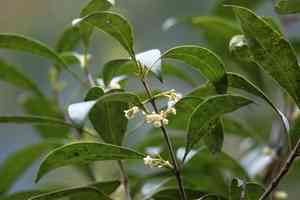
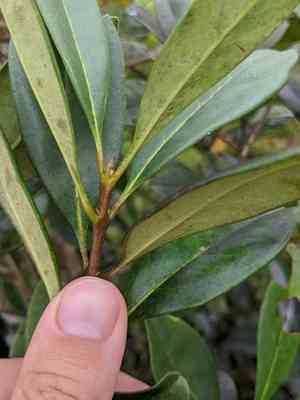
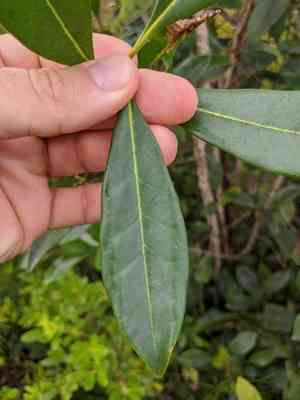
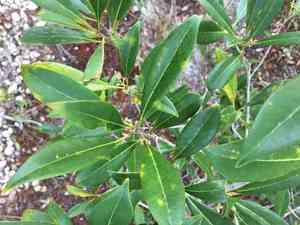
Quickly Identify Cartrema americana
1
Leathery leaves with rust-hued underside, 2-4.5 inches (5-11.5 cm) long.
2
Small, urn-shaped white flowers on previous year's growth, blooming in spring.
3
Dark blue drupes, olive-like, maturing in fall, essential wildlife food source.
4
Gray-brown bark with warty lenticels, moderately thick, no deep fissures.
5
Modestly-sized evergreen plant, 15-20 feet (4.6-6 meters) high, slender tree or shrub.
Scientific Classification of Cartrema americana
Phylum
Vascular plants
Class
Dicotyledons
Order
Lamiales
Family
Olive
Genus
Cartrema
Species
Cartrema americana
Planting and Growing of Cartrema americana
Care Difficulty
Moderate
Watering Schedule
Every 4 days
Sunlight Requirements
Full sun
Sunshine Duration
6-10 hours
Ideal Temperature
60-80℉
Soil Type
Potting Mix, Peat Mix
Soil pH
6.5-7.5
Fertilizer Type
Balanced
Pruning Season
Spring, Summer
Pruning Area
Branches, Leaves
Pruning Frequency
2 times a year
Repotting Season
Spring
Pot Type
Plastic, Terracotta
 How to Water Cartrema americana?
When watering Cartrema americana, ensure the soil is evenly moist but not waterlogged. A general rule of thumb is to provide around 500 milliliters of water, allowing the excess to drain, so the roots are not sitting in standing water and can breathe.
What are the symptoms of an underwatered Cartrema americana?
›
What should I do if my Cartrema americana is not getting enough water?
›
What are the symptoms of an overwatered Cartrema americana?
›
How to save an overwatered Cartrema americana?
›
 What Are the Sunlight Requirements for Cartrema americana?
Cartrema americana prefers full to partial sun, ideally receiving around 6-8 hours of sunlight daily. Adequate light encourages robust growth, lush foliage, and vibrant blooms, optimizing its overall health and aesthetics.
What is the ideal location for Cartrema americana?
›
How to ensure optimal light for Cartrema americana indoors?
›
What are the benefits of providing ideal light conditions for Cartrema americana?
›
 What Is the Ideal Temperature Range for Cartrema americana?
For optimal growth of Cartrema americana, maintaining a temperature range between 60°F and 80°F is essential. This range provides a suitable environment for metabolic processes and proper photosynthesis, ensuring that the plant can thrive and produce lush foliage. By keeping the environment within these temperatures, the plant is less likely to experience stress that can affect its growth and development.
 What Soil is Best for Cartrema americana?
Cartrema americana thrives in well-drained soils that prevent water stagnation, reducing root rot risk and promoting healthy root development. The plant benefits from nutrient-rich soil which supports vigorous growth, lush foliage, and optimal blooming patterns. It requires moderate moisture retention to ensure consistent hydration without waterlogging, which aids in sustaining its physiological functions efficiently.
 How to Fertilize Cartrema americana?
For Cartrema americana, use 1/2 to 3/4 cup of a balanced 10-10-10 fertilizer per application. Adjust the amount based on the size and age of the plant. Ensure the soil is moist before application to avoid root burn.
 How to Prune Cartrema americana?
Start by examining the plant for any dead, damaged, or diseased branches. These should be removed first to prevent the spread of disease and encourage healthy growth. If the plant becomes too dense, selectively remove some interior branches to improve air circulation, which can help prevent fungal issues and allow for more sunlight to penetrate. Trim the outer branches to maintain the desired shape of your Cartrema americana. This can help create a balanced look and encourage more uniform growth.
More About Pruning Techniques→
 How to Propagate Cartrema americana plant?
1
Start by soaking the seeds of Cartrema americana in warm water for 24 hours to soften the seed coat. This improves germination rates by allowing moisture to penetrate the seed more effectively.
2
Choose a healthy branch and use clean secateurs to cut a 6-8 inch segment. Remove the lower leaves to reduce moisture loss and dip the cut end in rooting hormone to promote root growth.
3
For both seeds and cuttings, fill containers with a well-draining potting mix. Plant the seeds just under the soil surface and insert the cuttings deep enough to stand upright. Water lightly and ensure they receive indirect sunlight.
 How to Repot Cartrema americana plant?
1
Cartrema americana shows signs of needing a repot when roots start pushing out from the drainage holes or when the plant appears root-bound. Besides that, slow growth can also indicate a need for more space. Spring and early Summer are ideal times, as the plant enters an active growth phase which helps it recover quickly from the stress of repotting.
2
When selecting a pot, opt for one that is at least one size larger than the current one. Ensure the pot has adequate drainage holes to prevent root rot. Terra cotta pots are often ideal due to their porous nature, which helps the soil to dry out faster and prevent waterlogging. This is crucial for Cartrema americana which prefers its roots to dry between waterings.
3
Choose a well-draining, organic-rich soil mix, ideally containing materials such as perlite or coarse sand to improve aeration. This type of soil structure ensures that excess water can escape easily, reducing the risk of root rot while supporting robust root formation by allowing essential air pockets.
Learn More About Cartrema americana Diseases
Anthracnose
Bacterial Leaf Spot
Bacterial Soft Rot
Bacterial Wilt
Black Spot
Chemical Injury
Crown Gall
Damping-off
Downy Mildew
Drought Stress
Fusarium Wilt
Gray Mold
Leaf Curl
Leaf Spot
Mosaic
Nutrient Deficiency
Nutrient Toxicity
Powdery Mildew
Root Rot
Root-knot Nematode
Rusts
Sooty Mold
Spider Mites
Temperature Stress
Thrips Damage
White Mold



