How to Prune Pretty sedge?
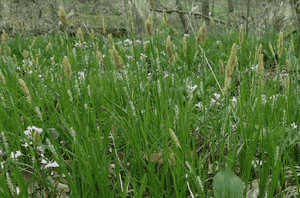
A perennial that tolerates shade, pretty sedge displays arching, grass-like foliage and flourishes beneath forest canopies. The ideal time for trimming pretty sedge is in early spring or during winter to eliminate aged leaves, improve air circulation, and lower the chance of illness. Trimming promotes more compact growth and sustains a neat look. Beneficial for cultivators, consistent trimming guarantees robust, lively groupings of this forest sedge.
Advantages of Trimming Pretty Sedge
Advantages of Trimming Pretty Sedge
Trimming pretty sedge promotes robust development and helps preserve its attractive shape. Regular cutting prevents overcrowding, ensuring adequate air circulation which lowers disease risk and fosters healthier plants.
Optimal Time for Trimming Pretty Sedge
Optimal Time for Trimming Pretty Sedge
For pretty sedge, trimming in early spring is ideal as it helps stimulate new growth following the dormant winter period. Pruning at this time allows gardeners to easily shape the plant and manage its size before the start of the active growing season. Additionally, removing old or dead foliage just before new shoots appear ensures the plant directs its energy towards producing fresh, vibrant leaves. Winter trimming is also advised for pretty sedge, primarily as a preparatory measure for the upcoming growing season. During winter, pretty sedge is typically inactive, making it simpler to assess the plantâs structure and remove damaged or diseased parts without impacting its growth. This timing reduces stress on pretty sedge and enhances its readiness for spring development.
Required Tools for Trimming Pretty Sedge
Hand Pruners
Perfect for cutting through the slender, fibrous stems of pretty sedge. These pruners allow for precise cuts which help maintain the plant's form and health without causing undue harm to the soft tissues.
Garden Scissors
Especially useful for trimming and shaping the finer foliage of pretty sedge. The scissors offer control and accuracy, essential for the delicate task of pruning this grass-like sedge.
Pruning Shears
Suitable for more general trimming and can handle slightly thicker stems or denser growth of pretty sedge. Ensures quick and clean cuts, promoting healthy regrowth.
How to Trim Pretty Sedge
Identify
Locate and evaluate the diseased and withered leaves on pretty sedge. Carefully inspect the foliage to differentiate healthy leaves from those showing signs of illness or decay.
Prepare
Ready the necessary tools for trimming. Ensure your pruning shears or scissors are sharp and clean to prevent disease transmission and to make precise cuts. Sanitize your tools with rubbing alcohol.
Trim diseased
Cut off the diseased leaves at their base where they connect to the stem. Use a cutting angle that avoids harming the healthy parts of pretty sedge. Dispose of these leaves properly to prevent the spread of any pathogens.
Trim withered
Remove the withered leaves in the same manner, cutting them at their base. Withered leaves are typically dry and may crumble easily, so handle them with care to avoid pulling on healthy parts which can stress the plant.
Cleanup
After trimming, clear away any fallen debris around pretty sedge. This helps maintain a healthy environment by reducing the likelihood of pests and diseases. Clean and disinfect your tools again after finishing.
Common Trimming Errors with Pretty Sedge
Over-trimming
A frequent mistake is removing too much foliage from pretty sedge, which can stress the plant and diminish its vitality. Pretty sedge benefits from a conservative approach to trimming, ensuring enough leaves remain to support photosynthesis and growth.
Incorrect cutting method
Using dull or unsuitable tools can damage the delicate stems of pretty sedge, leading to jagged cuts that may attract pests and diseases. It's crucial to use sharp, clean tools to make clean cuts.
Unnecessary trimming
Some gardeners might trim pretty sedge assuming it behaves like other more common garden sedges or grasses. However, pretty sedge generally requires less intervention. Unnecessary trimming can lead to sparse growth or reduced health.
General Trimming Advice for Pretty Sedge
Selective trimming
Focus on removing only the older or browned foliage to help maintain the shape and health of pretty sedge. This selective trimming encourages new growth while preserving the plantâs natural form.
Timing follow-up care
While the specific seasons for trimming are excluded here, ensure post-trimming care by providing sufficient water and possibly a light fertilizer to help pretty sedge recover and thrive after the stress of trimming.
Minimize stress
Trim pretty sedge gently, avoiding excessive thinning to maintain a dense and attractive clump. This not only helps in keeping the natural shape but also prevents stress which can weaken the plant.



