How to Propagate Pretty sedge?
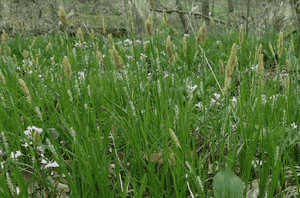
Pretty sedge flourishes when reproduced via separation. This technique not only facilitates successful replication of desired characteristics but also guarantees the plant's well-being. For optimal outcomes, carefully divide the rhizomes using a sharp, sterilized instrument, making sure each segment possesses sufficient roots. This procedure encourages robust development and aids in preserving the visual attractiveness of pretty sedge.
Optimal Time for Pretty Sedge Propagation
Propagation Method
Splitting
Propagation Period
Spring,Autumn
Tools for Pretty Sedge Propagation
Garden Trowel
A robust garden trowel is vital for separating pretty sedge roots. Its slender blade allows for precise excavation around the root area, minimizing root damage. This tool is especially useful as it can manage the delicate roots of pretty sedge without causing excessive disruption.
Garden Fork
A sturdy garden fork is beneficial for loosening the soil around pretty sedge before division. By utilizing this tool, propagators can gently lift the plant from the ground, ensuring the root ball remains as intact as possible. This aids in maintaining the plant's vitality and promotes successful propagation.
Pruning Shears
Sharp pruning shears are essential for cutting through thicker roots during pretty sedge division. They provide a clean cut that helps prevent infection and encourages faster healing of the cut surfaces. Clean cuts are crucial for the rapid recovery of pretty sedge after propagation.
Watering Can with Fine Rose
After transplanting, gentle irrigation is critical. A watering can with a fine rose attachment ensures water is softly distributed over the newly planted pretty sedge divisions, helping to settle the soil and reduce transplant shock.
Rooting Hormone
While not compulsory, applying rooting hormone can boost the root development of pretty sedge divisions. It can be applied to the cut surfaces before planting to encourage quicker root establishment and growth, leading to more robust plants.
Labeling Stakes
Labeling stakes are important for tracking the various pretty sedge divisions. Properly labeled stakes help in monitoring each division's development and can assist in recording growth patterns and health conditions, which is essential for learning optimal pretty sedge propagation practices.
How to Propagate Pretty Sedge?
Propagation Type
Simple
Caring for Your Newly Propagated Pretty Sedge
Caring for Your Newly Propagated Pretty Sedge
Post-propagation, maintain consistent soil moisture, avoiding both dryness and saturation. Position pretty sedge in partial to full shade as it prefers cooler conditions. Monitor for pests or diseases, especially during the initial growing season. Apply a balanced, slow-release fertilizer in early spring to support healthy growth and development.
Common Mistakes to Avoid When Propagating Pretty Sedge
Overwatering
Excessive watering can lead to root rot in pretty sedge, negatively impacting plant health and reducing propagation success. Pretty sedge prefers well-drained soil; too much moisture impedes proper root development.
Propagating by seeds
Attempting to propagate pretty sedge from seeds may result in low germination rates. This method often fails because pretty sedge's seed viability is generally poor, leading to unsuccessful propagation efforts.
Ignoring soil quality
Using poor quality or unsuitable soil mix can hinder pretty sedge's root development. Soil that does not mimic pretty sedge's natural habitat (rich, well-drained) might decrease the chances of successful propagation.
Tips For Propagating Pretty Sedge
Division in appropriate soil
Divide pretty sedge in early growth stages and plant in rich, organic, well-drained soil. This method enhances root establishment and overall health, increasing the propagation success rate.
Proper moisture management
Ensure the soil remains moist but not waterlogged. Using a balanced watering regime prevents root rot and supports healthier root development for better propagation success.
Use of root hormone
Applying a rooting hormone to the divisions can significantly improve the root growth rate of pretty sedge. This practice encourages quicker establishment and stronger root systems.



