How to Prune Sartwell's sedge?
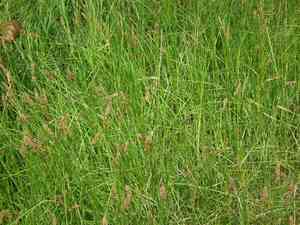
Sartwell's sedge is a perennial plant characterized by its gracefully arching, grass-like leaves, flourishing particularly well in marshy habitats. To achieve its best development, perform trimming either in early spring or during the winter season. Remove any withered or compromised foliage to stimulate fresh development and preserve a neat look. Reducing the density of older stalks can boost air movement, lower the chances of illness, and improve its general well-being. Consistent trimming fosters robust growth, ensuring sartwell's sedge remains lush and appealing.
What Are the Benefits of Pruning Sartwell's Sedge?
What Are the Benefits of Pruning Sartwell's Sedge?
Sartwell's sedge thrives with trimming, promoting vigorous growth and maintaining its form. Regular cutting improves its look, prevents crowding, and lowers pest and disease risk, fostering a healthier plant.
What Is the Best Time for Pruning Sartwell's Sedge?
What Is the Best Time for Pruning Sartwell's Sedge?
Trimming sartwell's sedge in early spring and winter is optimal as these periods align with its dormancy, minimizing stress and disease risk. During dormancy, the plant isn't actively growing, simplifying shaping and management without harming its health or development. This timing also allows for removal of dead or damaged foliage, encouraging healthier growth once the season begins.
What Tools Do I Need to Prune Sartwell's Sedge?
Hand Pruners
Hand pruners are perfect for eliminating dead or damaged leaves and stems. They offer accuracy for detailed trimming without harming nearby healthy foliage.
Shears
Shears are useful for cutting back larger sections of sartwell's sedge in the spring to encourage robust new growth. They enable uniform and clean cuts across the plant.
Scissors
Garden scissors can be effective for intricate tasks, such as thinning out dense growth and shaping sartwell's sedge. They provide the control needed for precise trimming.
Gloves
Sturdy gloves protect hands when handling sartwell's sedge, especially when dealing with thick clusters that might be sharp or abrasive.
How to Prune Sartwell's Sedge
Preparation
Collect your trimming tools, such as sharp scissors or pruning shears. Sanitize the tools with a solution of one part bleach to nine parts water to prevent disease transmission.
Inspection
Carefully examine sartwell's sedge for indications of diseased or withered leaves. Look for discoloration, spots, or other signs suggesting unhealthy foliage.
Removal diseased leaves
Using your disinfected tools, snip off any diseased leaves as close to the base as possible without harming the healthy part of sartwell's sedge. Dispose of these leaves immediately to prevent contamination.
Removal withered leaves
Remove the withered leaves by cutting them back to the base or to the nearest healthy node. Ensure you only remove the completely dead and dried out leaves to avoid unnecessary stress on sartwell's sedge.
Cleanup
After trimming, clear the area around sartwell's sedge of all removed leaves and debris. This helps prevent any potential spread of disease and promotes better air circulation around the plant.
Common Pruning Mistakes with Sartwell's Sedge
Improper technique
One common error when trimming sartwell's sedge is using dull or unsuitable tools, which can harm the plant tissue. Incorrect cuts can result in jagged edges prone to disease.
Incorrect timing
Trimming at the wrong time can disrupt the plant's growth cycle, leading to reduced vigor or blooming. Excessive pruning during the plant's active growth phase can be particularly damaging.
Over-pruning
Another frequent mistake is removing too much of the plant at once. Over-pruning can cause shock, which impedes growth and can even kill the plant.
Common Pruning Tips for Sartwell's Sedge
Use sharp tools
Always use sharp, clean tools to make precise cuts. This ensures that the plant can heal quickly and reduces the risk of disease transmission.
Prune selectively
Focus on removing dead or damaged stems, and avoid cutting healthy, thriving parts of the plant. Selective pruning encourages better air circulation and light penetration, fostering healthy growth.
Maintain shape
Keep an eye on the overall shape of sartwell's sedge while pruning. Aim to maintain its natural form rather than heavily altering it. This not only preserves the aesthetic appeal but also promotes balanced growth.
Disinfect tools
Regularly disinfect pruning tools before and after use to prevent the spread of diseases. This is especially important when working with multiple plants.



