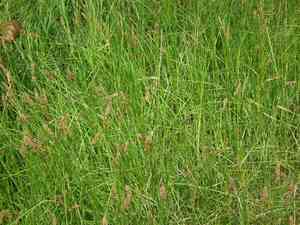
Sartwell's sedge (Carex sartwellii)
Also known as: Sartwell's Sedge
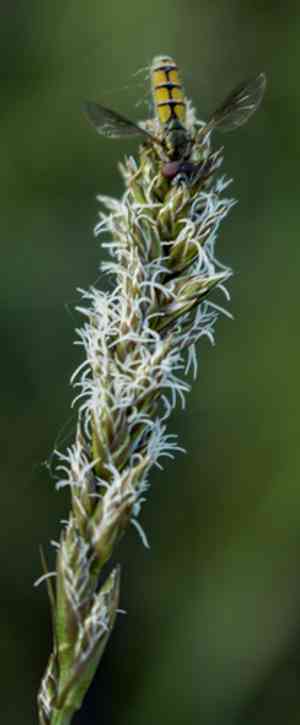
Sartwell's sedge (Carex sartwellii) is a perennial sedge characterized by its slender, arching leaves. It thrives in wetland areas such as marshes and wet meadows. The presence of this sedge often signals a well-maintained, stable wetland ecosystem. Notable for its clustered spikelets, which become more prominent from spring through late summer, Sartwell's sedge can be easily identified by these distinctive brownish flower heads.
In This Article
Attributes of Sartwell's sedge
Lifespan
Perennial
Plant Type
Grass
Plant Height
30 cm to 1.2 m
Spread
Approximately 0.3 meters
Leaf Color
Green
Flower Size
Approximately 0.2 cm
Flower Color
Green to brown
Images of Sartwell's sedge
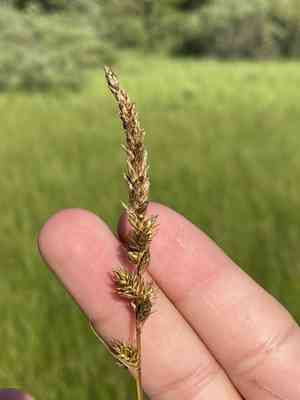
Quickly Identify Sartwell's sedge
1
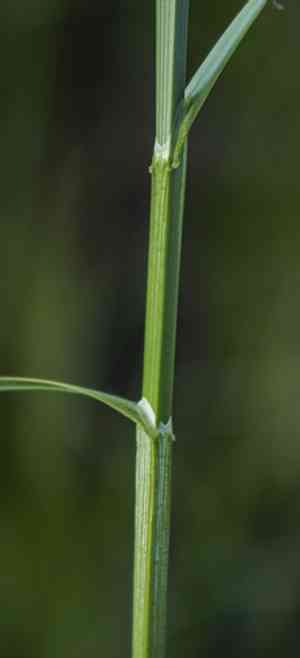
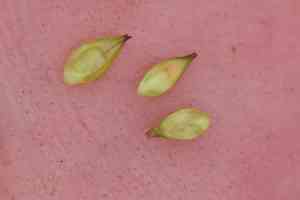
Identifying Carex sartwellii involves looking for its dense clumps of narrow, grass-like leaves and spikes of small flowers. The stems are triangular in cross-section, a common trait in sedges. It typically has a green to brown coloration, and the leaves are often longer than the flowering stems.
Scientific Classification of Sartwell's sedge
Phylum
Vascular plants
Class
Monocotyledons
Order
Poales
Family
Sedge
Genus
True sedges
Species
Sartwell's sedge
Planting and Growing of Sartwell's sedge
Care Difficulty
Moderate
Watering Schedule
Every 2 days
Sunlight Requirements
Partial sun
Sunshine Duration
4-8 hours
Ideal Temperature
60-75℉
Soil Type
Potting Mix, Peat Mix
Soil pH
6-8
Fertilizer Type
Balanced
Pruning Season
Spring, Summer
Pruning Area
Branches, Leaves
Pruning Frequency
2 times a year
Repotting Season
Spring
Pot Type
Plastic, Ceramic
 How to Water Sartwell's sedge?
When watering Carex sartwellii, aim for a moderate level of moisture—about 250 ml per session. Ensure the soil is evenly moist but not waterlogged, allowing excess water to drain completely. The goal is to maintain consistent soil moisture without fluctuating extremes.
What are the symptoms of an underwatered Sartwell's sedge?
›
What should I do if my Sartwell's sedge is not getting enough water?
›
What are the symptoms of an overwatered Sartwell's sedge?
›
How to save an overwatered Sartwell's sedge?
›
 What Are the Sunlight Requirements for Sartwell's sedge?
Partial sun is ideal with benefits of stronger growth, vibrant color, and resistance to common ailments when given optimal light conditions.
What is the best lighting condition for Carex sartwellii?
›
How can I provide ideal lighting conditions?
›
What are the benefits of proper lighting?
›
 What Is the Ideal Temperature Range for Sartwell's sedge?
The ideal temperature range for Carex sartwellii growth is between 60°F and 75°F. In this range, the plant exhibits optimal growth and health. Temperatures within this span support efficient photosynthesis and metabolic functions, resulting in robust development and vibrant foliage.
 What Soil is Best for Sartwell's sedge?
Carex sartwellii thrives in soils that have good moisture retention capabilities. This ensures that the plant maintains its lush, green appearance even in dry periods. An adequate level of moisture in the soil aids the plant's nutrient uptake and overall health. A nutrient-rich soil provides the essential minerals and organic matter needed for Carex sartwellii to grow healthily. These nutrients contribute to robust root development and support vigorous growth throughout the growing season. Proper aeration in the soil is critical for Carex sartwellii as it prevents root rot and encourages healthy root growth. Aerated soil allows for efficient gas exchange, ensuring that the roots receive enough oxygen for respiration and overall vigor.
 How to Fertilize Sartwell's sedge?
For Carex sartwellii, it's critical not to overdo it; a balanced approach goes a long way. When using a liquid fertilizer, aim for a dilution ratio suitable for grasses, such as 1/2 teaspoon per gallon of water. For slow-release fertilizers, incorporating about 2-3 tablespoons per plant, once during the growing season, will suffice. Be sure to spread it evenly around the base.
 How to Prune Sartwell's sedge?
To prune Carex sartwellii, first inspect the plant for any dead or damaged leaves, which should be carefully removed with clean, sharp scissors. For general shaping, trim the foliage to maintain a tidy and uniform look, cutting 1/3 of the plant's height to promote fuller growth. It's best to make clean cuts at a slight angle to prevent water accumulation on cut surfaces. Also, if the plant is becoming too dense, feel free to thin out some of the mature stems to allow for better air circulation.
More About Pruning Techniques→
 How to Propagate Sartwell's sedge plant?
1
Collect seeds from mature Carex sartwellii plants during late spring. Clean the seeds thoroughly by removing debris and old plant material, then allow them to dry for a day or two at room temperature.
2
Fill seed trays with a quality seed-starting mix and sow the prepared seeds evenly. Cover with a thin layer of the mix and water gently. Place the trays in a warm, indirect-light location for germination.
3
In early spring, carefully dig up mature Carex sartwellii clumps. Use a garden spade to separate the roots into viable sections. Each section should have several healthy shoots and roots for successful transplanting.
 How to Repot Sartwell's sedge plant?
1
Repotting Carex sartwellii is necessary when you see its roots growing out of the drainage holes or the pot becomes disproportionately small for the foliage. Another signal is a decline in plant health, indicating that the plant might be root-bound and needs more space.
2
Choose a pot that is 2-3 inches larger in diameter than the current one, with good drainage holes. Terracotta pots are preferable as they are breathable, which helps prevent overwatering, a common issue with Carex sartwellii.
3
Select a loamy, well-draining soil mix. This type of soil prevents waterlogging, allowing the roots to breathe and grow healthily. The slightly gritty texture of loamy soil also supports optimal nutrient absorption.
Learn More About Sartwell's sedge Diseases
Anthracnose
Bacterial Leaf Spot
Bacterial Soft Rot
Chemical Injury
Damping-off
Downy Mildew
Drought Stress
Fusarium Wilt
Gray Mold
Leaf Spot
Mosaic
Nutrient Deficiency
Nutrient Toxicity
Powdery Mildew
Root Rot
Root-knot Nematode
Rusts
Sooty Mold
Spider Mites
Temperature Stress
Thrips Damage
White Mold



