How to Prune Carex michelii?
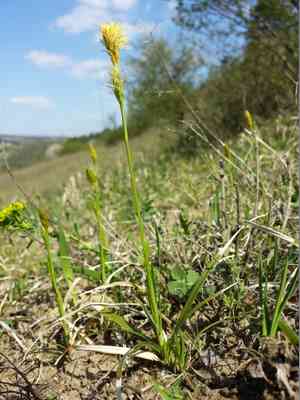
Carex michelii, recognized for its characteristic clumping growth and slender, grass-like blades, thrives with trimming for peak vitality and aesthetic appeal. Remove withered or compromised leaves in early spring and clear any detritus in winter to stimulate fresh development. Consistent cutting can avert excessive density and foster robust expansion. Frequent pruning additionally boosts the plant's decorative quality by preserving its neat shape, rendering it a desirable feature in any landscape.
What Are the Benefits of Pruning Carex Michelii?
What Are the Benefits of Pruning Carex Michelii?
Trimming carex michelii encourages robust development and helps maintain its form. It fosters healthy growth by eliminating dead or damaged foliage and improves its overall look. Regular trimming can stop disease spread and effectively manage the plant's size.
What Is the Best Time for Pruning Carex Michelii?
What Is the Best Time for Pruning Carex Michelii?
Trimming carex michelii in early spring or winter is ideal as it aligns with the plant's natural growth cycle. Pruning during these seasons minimizes harm and stress, since the plant is either dormant or just starting its growth phase. This timing ensures carex michelii can recover quickly and efficiently allocate energy to new growth. Additionally, pruning before the plant's active growth period helps manage its shape and size, and promotes healthy development. Studies and horticultural guidelines support these seasons, recognizing that pruning at these times prevents potential disruption to flowering or fruiting periods.
What Tools Do I Need to Prune Carex Michelii?
Hand Pruners
Hand pruners are perfect for cutting smaller stems and leaves of carex michelii. They offer precision and are easy to handle, which is crucial for preserving the plant's natural shape.
Pruning Shears
Pruning shears are suitable for cutting through slightly thicker stems and tougher leaves. They provide the necessary leverage for cleaner cuts.
Bypass Pruners
Bypass pruners are effective for making clean cuts without crushing the stems of carex michelii. This helps prevent any damage to the plant, encouraging healthy regrowth.
Serrated Blade Hand Saw
For any thicker or woody parts of carex michelii, a serrated blade hand saw is efficient. It allows gardeners to make precise cuts with minimal effort.
Hedge Shears
Hedge shears can be used to shape and trim larger sections of carex michelii effectively. They are especially useful if the plant grows densely.
How to Prune Carex Michelii
Inspect
Carefully examine carex michelii for any diseased or withered leaves. Note areas that need trimming.
Clean Tools
Sanitize your pruning tools to prevent the spread of disease. Use a solution of one part bleach to nine parts water to disinfect the tools.
Remove Diseased Leaves
Trim away any diseased leaves from carex michelii using clean, sharp pruning shears. Cut close to the base of the leaf but avoid damaging the main stem.
Remove Withered Leaves
Carefully remove withered leaves by cutting them off at the point where they connect to the main stem. Ensure a clean cut to promote healthy regrowth.
Dispose Properly
Dispose of the removed diseased and withered leaves away from the garden area to prevent potential spread of disease.
Common Pruning Mistakes with Carex Michelii
Over-pruning
Excessive trimming can stress carex michelii and limit its ability to photosynthesize effectively, hindering healthy growth.
Improper Technique
Using dull or unsuitable tools can harm carex michelii, causing jagged cuts that become potential entry points for diseases.
Pruning at the Wrong Time
Pruning during active growth periods can divert energy away from important growth processes, although the best time for pruning is not being detailed here.
Common Pruning Tips for Carex Michelii
Use Sharp Tools
Always ensure that pruning shears or scissors are sharp to make clean cuts, minimizing the risk of disease and promoting quicker healing.
Sanitize Tools
Regularly clean and sterilize all pruning tools before and after use to avoid spreading infections.
Light Pruning
Engage in light, regular pruning rather than heavy, infrequent cuts. This helps maintain carex michelii's form and encourages consistent growth.
Understand the Plant's Growth Habit
Familiarize yourself with carex michelii's natural growth pattern to prune in a way that complements its shape rather than fighting it.
Remove Dead or Damaged Foliage
Promptly remove all dead, diseased, or damaged foliage to prevent the spread of pathogens and allow healthy parts of the plant to thrive.



