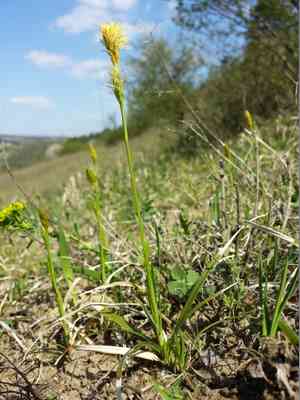
Carex michelii (Carex michelii)
Also known as: Michel's Sedge
Carex rostrata, known as the bottle sedge or beaked sedge, is a perennial sedge belonging to the Cyperaceae family.
In This Article
Attributes of Carex michelii
Lifespan
Perennial
Plant Type
Grass
Plant Height
30-60 cm
Spread
N/A
Leaf Color
Green
Flower Size
N/A
Flower Color
Brownish
Images of Carex michelii
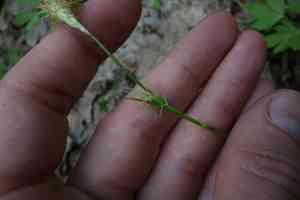
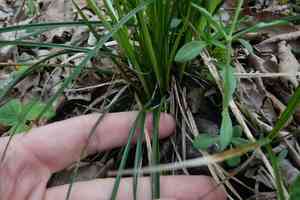
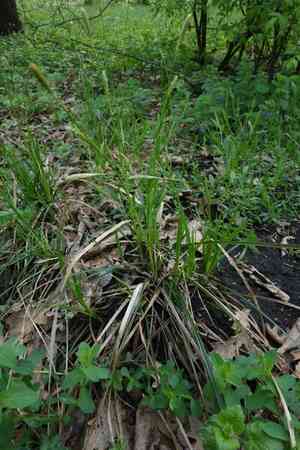
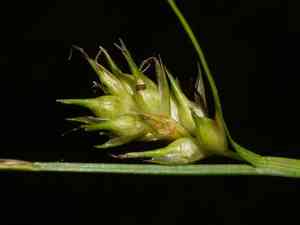
Quickly Identify Carex michelii
1
Carex michelii can be identified by its slender, grass-like leaves and triangular stems. The flowers are typically arranged in spikelets, with distinct brownish scales.
Scientific Classification of Carex michelii
Phylum
Vascular plants
Class
Monocotyledons
Order
Poales
Family
Sedge
Genus
True sedges
Species
Carex michelii
Planting and Growing of Carex michelii
Care Difficulty
Moderate
Watering Schedule
Every 3 days
Sunlight Requirements
Partial sun
Sunshine Duration
4-8 hours
Ideal Temperature
60-75℉
Soil Type
Potting Mix, Peat Mix
Soil pH
6.5-7.5
Fertilizer Type
Balanced
Pruning Season
Spring, Summer
Pruning Area
Branches, Leaves
Pruning Frequency
2 times a year
Repotting Season
Spring
Pot Type
Plastic, Ceramic
 How to Water Carex michelii?
Carex michelii appreciates a moderate watering amount. Typically, 250 milliliters per session is ideal. The goal is to moisten the soil evenly without causing waterlogging. Ensure the topsoil feels damp to the touch but not soggy.
What are the symptoms of an underwatered Carex michelii?
›
What should I do if my Carex michelii is not getting enough water?
›
What are the symptoms of an overwatered Carex michelii?
›
How to save an overwatered Carex michelii?
›
 What Are the Sunlight Requirements for Carex michelii?
Partial sun to full sun is ideal, equating to about 4-6 hours of sunlight per day. This range allows Carex michelii to flourish, enhancing photosynthesis without overwhelming the plant’s foliage, keeping it robust and lush.
Best Location for Adequate Sunlight
›
Adjusting Lighting Throughout the Year
›
Using Artificial Lighting
›
 What Is the Ideal Temperature Range for Carex michelii?
The ideal temperature range for growing Carex michelii is between 60 and 75 degrees Fahrenheit. This range provides the optimal conditions needed for healthy growth, ensuring that the plant's physiological processes, such as photosynthesis and transpiration, occur efficiently.
 What Soil is Best for Carex michelii?
Carex michelii thrives in well-drained soils that prevent waterlogging. Optimal drainage assures the plant’s root system stays healthy, allowing it to absorb nutrients effectively and fostering robust growth. The plant benefits from soil enriched with organic matter which supports its growth by supplying essential nutrients. This nutrient availability is crucial for the vibrant foliage and resilience against pests. Maintaining consistent soil moisture is vital to support the natural habitat of Carex michelii. Moist conditions encourage healthy plant development and flowering without causing stress from drought.
 How to Fertilize Carex michelii?
For Carex michelii, it's important to apply a balanced fertilizer with a lower concentration during its active growing season. Typically, a 1/4 to 1/2 concentration of a standard 10-10-10 liquid fertilizer can be used. Ensure not to over-fertilize to avoid damaging the roots.
 How to Prune Carex michelii?
Start by identifying dead or damaged foliage in your Carex michelii plant. Using sharp, clean scissors or pruning shears, carefully snip away any undesirable leaves at the base, close to the ground. This helps prevent disease spread and keeps the plant looking neater. After eliminating the dead material, give a gentle trim to the overall clump to ensure an even appearance. In early spring, consider a more extensive cutback to rejuvenate the plant. Trim the entire clump down to about one-third of its height. This promotes new growth as temperatures rise and helps the plant recover its vibrant green color. Implement this process annually to ensure sustainability and enhance the plant's decorative appeal.
More About Pruning Techniques→
 How to Propagate Carex michelii plant?
1
Start by filling seed trays with a good quality seed-starting mix. Sow the Carex michelii seeds evenly on the surface and cover lightly with more mix. Keep the soil moist and place the trays in a bright, warm location to encourage germination.
2
In early spring or early summer, dig up the established Carex michelii plants. Use a sharp knife or spade to divide the root ball into smaller sections, ensuring each segment has viable roots. Replant the divisions immediately in well-prepared soil.
3
After planting the seeds or divisions, water them thoroughly. Maintain consistent moisture levels but avoid waterlogging. Apply a light layer of mulch to conserve soil moisture and suppress weed growth.
 How to Repot Carex michelii plant?
1
Carex michelii shows signs of needing a repot when it becomes root-bound, with roots circling the pot's perimeter. Another indicator is slowed growth despite adequate care. Early spring or autumn is ideal as the plant is in a dormant phase, reducing stress from the transition.
2
Select a pot that is 1-2 inches larger in diameter than the current one to accommodate growth. Ensure it has drainage holes to prevent water buildup, which is vital for keeping roots healthy and preventing rot. A terra cotta pot is beneficial for its breathability and weight, providing stability to the plant.
3
Opt for a soil mix rich in organic matter with excellent drainage to mimic the natural environment of Carex michelii. A combination of peat, perlite, and compost ensures this while retaining enough moisture to support healthy growth without waterlogging.



