How to Prune Cypress swamp sedge?
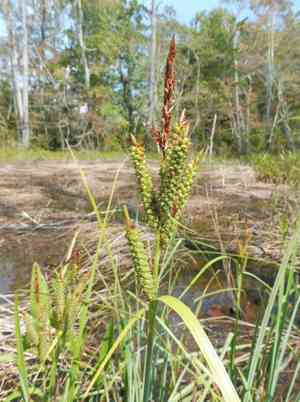
Cypress swamp sedge, frequently encountered in aquatic environments, exhibits slender, grass-like leaves and flower clusters. Perform trimming in late winter or early spring to eliminate withered or compromised leaves, fostering more robust development and abundant flowering. Cut back to the ground level or reshape clusters to manage their dimensions and expansion. Consistent trimming improves air movement and lowers the likelihood of illness, guaranteeing a lively look. Employ sanitized, sharp implements to avert harm and facilitate rapid recuperation.
What Are the Benefits of Pruning Cypress Swamp Sedge?
What Are the Benefits of Pruning Cypress Swamp Sedge?
Cypress swamp sedge thrives with trimming, promoting robust development and maintaining its desired form. Regular cutting eliminates dead or diseased sections, deterring pests and illnesses. Controlled shaping enhances its overall look and encourages strong, healthy growth.
What Is the Best Time for Pruning Cypress Swamp Sedge?
What Is the Best Time for Pruning Cypress Swamp Sedge?
Trimming cypress swamp sedge in early spring or winter is ideal as these periods allow the plant to recover before its active growth phase. Early spring pruning ensures that any damaged or dead foliage is removed before new growth begins, fostering healthier and more vigorous development. Winter pruning is also advantageous because the plant is dormant, reducing stress and simplifying shaping or managing its form. Pruning during these seasons minimizes the risk of disease and pest infestation, which are less active in colder months. Additionally, it helps maintain the plant's structure and encourages more robust growth when the growing season arrives.
What Tools Do I Need to Prune Cypress Swamp Sedge?
Hand pruners
Perfect for precise cuts on smaller stems and leaves. Essential for maintaining the clump's form without harming the plant.
Shears
Useful for more extensive trimming and shaping tasks. These aid in managing the plant's growth and removing dead or damaged foliage.
Garden scissors
Excellent for detailed and delicate trimming. They allow for easy handling of finer elements within cypress swamp sedge's cluster of leaves and stems.
How to Prune Cypress Swamp Sedge
Identify targets
Examine cypress swamp sedge for any indications of diseased or withered leaves. Diseased leaves may show discoloration, spots, or mold, while withered leaves appear dry and brown.
Prepare tools
Gather and sanitize pruning shears or scissors to prevent disease transmission. This ensures a clean cut and minimizes harm to cypress swamp sedge.
Trim leaves
Begin by trimming diseased leaves. Cut each one back to the stem's base. Ensure complete removal of the affected area to prevent further disease spread.
Remove withered leaves
Next, trim the withered leaves. Snip these leaves close to the base, being careful not to damage any healthy parts of cypress swamp sedge.
Cleanup
Collect and properly dispose of all trimmed leaves, especially diseased ones, to prevent contamination of other plants. Clean your tools thoroughly after pruning.
Common Pruning Mistakes with Cypress Swamp Sedge
Over-pruning
Removing too much foliage at once can stress cypress swamp sedge, impede its growth, and increase its susceptibility to diseases and pests.
Improper Cutting Technique
Using dull or dirty tools can harm plant tissue, leading to infections or poor regrowth. Always use sharp, clean pruning shears.
Pruning at the Wrong Time
While the specific best season for pruning is not provided here, pruning at inappropriate times without considering the plant’s growth cycle can negatively impact its health.
Common Pruning Tips for Cypress Swamp Sedge
Use Correct Tools
Always prune cypress swamp sedge with sharp, sterilized shears to ensure clean cuts and prevent the spread of disease.
Follow the Natural Shape
Maintain the natural shape of cypress swamp sedge while pruning to avoid creating an unnatural or unsightly appearance.
Moderate Pruning
Trim the plant lightly and regularly rather than removing large portions at once. Aim to cut back only the dead, damaged or overgrown parts.
Inspect Regularly
Regularly check cypress swamp sedge for any signs of disease, pests, or damage. Prompt removal of affected areas can prevent issues from spreading.



