How to Prune Different-nerve sedge?
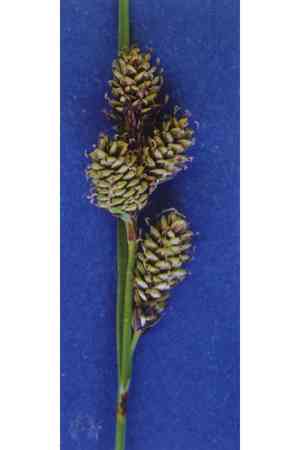
Carex heteroneura is recognized for its delicate foliage. Trim in late winter or early spring to stimulate fresh development and preserve its form. Eliminate withered or compromised leaves from the plant's base. Refrain from severing the central stalk, as this can impede its growth. Consistent trimming enhances air movement, lowering the likelihood of disease. Employ sharp, sanitized implements to avert contamination. Adhering to these guidelines guarantees a more vigorous, thriving specimen, maximizing its aesthetic and environmental contributions.
Advantages of Trimming Different-nerve Sedge
Advantages of Trimming Different-nerve Sedge
Trimming different-nerve sedge encourages robust development and helps preserve the plant's form. It stimulates healthy new shoots and can improve the plant's visual appeal. Consistent trimming also lowers the chance of pests and illnesses.
Optimal Period for Trimming Different-nerve Sedge
Optimal Period for Trimming Different-nerve Sedge
Trimming different-nerve sedge in early spring allows the plant to revitalize just before its active growth phase, fostering vigorous new growth. Winter trimming, when the plant is dormant, minimizes stress on different-nerve sedge and reduces the likelihood of diseases and pests taking hold. These times are ideal as they align with the plant's natural growth cycle, ensuring vitality and strong health while also preparing it for the upcoming seasons.
Necessary Tools for Trimming Different-nerve Sedge
Pruning Shears
Pruning shears are perfect for snipping off dead or damaged foliage, a common upkeep task for different-nerve sedge. Their precision allows for careful cuts close to the plant's base without causing unnecessary harm.
Hedge Shears
Hedge shears can help level out the foliage of different-nerve sedge if it becomes overgrown. They are designed for quickly cutting through large sections of thinner stems, ensuring a neat look.
Hand Pruners
Hand pruners are useful for more detailed trimming tasks, such as removing spent blooms or cutting back overgrown areas. Their compact size permits close-up work around the plant's thick clumps.
Gloves
Wearing gloves while trimming different-nerve sedge protects hands from sharp edges and helps maintain a firm grip on the tools. Gardeners can work more effectively without risking injury.
Disinfectant Wipes
Using disinfectant wipes to clean trimming tools before and after use helps prevent the spread of diseases among plants. This is especially crucial when trimming various parts of different-nerve sedge.
Method for Trimming Different-nerve Sedge
Inspect
Examine the plant thoroughly, identifying all diseased and withered leaves. Look for discolorations, spots, or any signs of pest infestation that may indicate disease.
Tools
Prepare and sanitize trimming tools to prevent the spread of disease. Use sharp, clean scissors or pruning shears for precise cuts.
Diseased leaves
Carefully cut away all diseased leaves. Make cuts just below the infected area, opting for a healthy part of the stem to ensure the disease does not spread.
Withered leaves
Remove withered leaves by cutting them at the base where they connect to the main plant. Ensure you do not damage nearby healthy leaves during this process.
Cleanup
Dispose of all removed leaves properly to prevent any potential spread of disease. Clean and sterilize your tools again after the trimming session.
Common Trimming Errors with Different-nerve Sedge
Incorrect technique
Using unsuitable tools or cutting methods can result in plant damage, infected cut sites, and generally poor growth.
Over-pruning
Removing too much foliage or cutting too often can stress different-nerve sedge, hindering its growth and vigor.
Inconsistent pruning
Failing to maintain a regular trimming schedule can lead to an overgrown and poorly shaped plant, which can be harder to manage and less aesthetically pleasing.
Neglecting dead or damaged leaves
Leaving dead or damaged leaves on different-nerve sedge can attract pests and diseases, jeopardizing the plant's health.
General Trimming Advice for Different-nerve Sedge
Use clean tools
Ensure trimming tools are sharp and disinfected to prevent the spread of diseases and achieve clean cuts.
Prune lightly
Trim the foliage sparingly to reduce stress on different-nerve sedge and encourage steady growth. Focus on removing no more than one-third of the plant at a time.
Remove dead foliage
Regularly cut away dead, yellow, or damaged leaves to maintain plant health and appearance.
Promote airflow
Trim different-nerve sedge to thin out dense areas, which helps improve air circulation and reduces the risk of fungal infections.
Shape evenly
When trimming, aim to maintain a balanced shape for different-nerve sedge to ensure it grows evenly and remains visually pleasing.



